
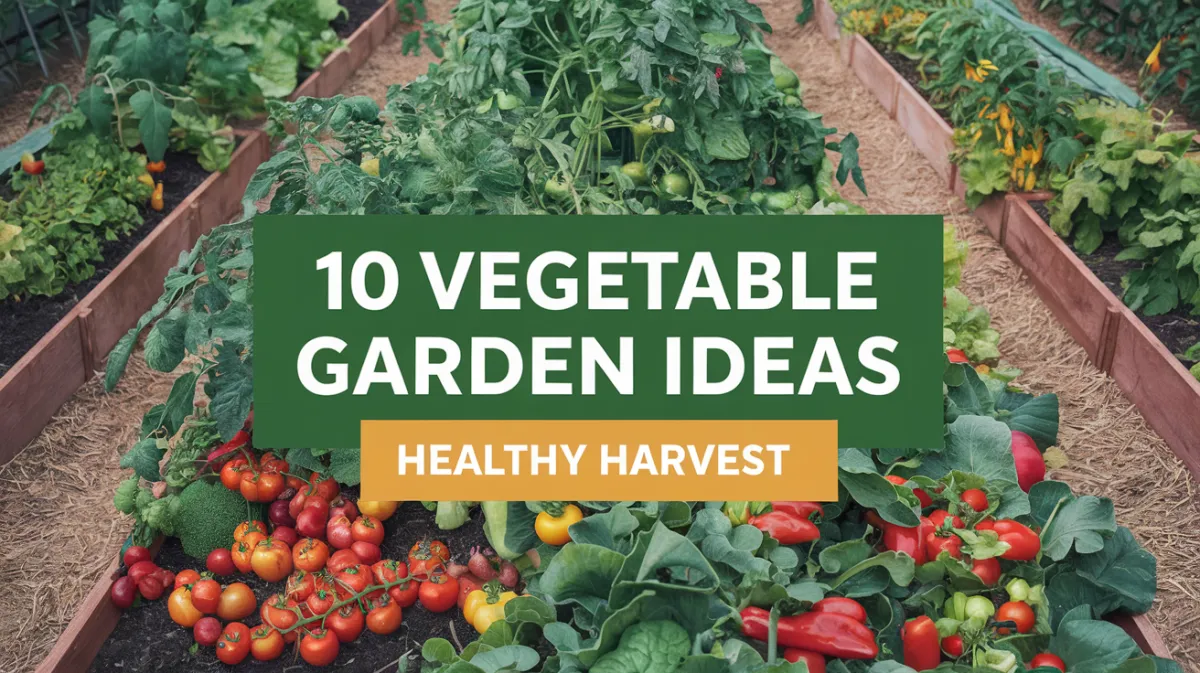
10 Vegetable Garden Ideas for a Healthy Harvest
Just a heads up — this website includes affiliate links, and occasionally I receive products from brands to try out. As an Amazon Associate, I earn from qualifying purchases. Some content on this site was created with help from AI tools.
You know how good it feels to step outside and pick fresh vegetables straight from your own garden. That simple act turns supper into something special and makes all the planning and patience worth it. When you start growing your own food, you quickly realize it is not just about putting seeds in the ground. It is about creating a space that works for your lifestyle, choosing the right setup, and learning a little more each season.
A healthy, productive garden does not have to be complicated or overwhelming. With the right vegetable garden ideas, you can grow more food in the space you have and enjoy fresh, nutrient-rich harvests all summer long.

In this post, you will find 10 vegetable garden ideas to help you build a thriving garden that fits your homestead life. Whether you are planting in raised beds, trying organic gardening, or using companion planting to boost your yields, these tips will help you make the most of every square foot.
Why Growing Your Own Vegetables is Worth It
Growing your own vegetables is about more than saving money. It is about fresh flavor, healthy soil, and the simple joy of gathering your own food. When you start with good soil using a soil test kit and feed it with rich organic matter from your compost bin, you set your garden up for a strong and productive season. And nothing beats heading outside with your harvest basket and bringing in everything you need for a meal straight from your backyard.
Benefits of Homegrown Vegetables
➡️ Better taste and nutrition
Vegetables picked at their peak are richer in flavor and hold onto more nutrients than store-bought produce. You can harvest them at the perfect time and enjoy the difference in every meal.
➡️ Fewer pesticides and chemicals
You are in full control of how your food is grown, which means you can focus on organic gardening methods, healthy soil, and natural fertilizers instead of relying on synthetic products.
➡️ A rewarding and relaxing hobby
Spending time in your garden gives you a daily reason to slow down, get fresh air, and work with your hands. It brings a sense of accomplishment that fits perfectly with the rhythm of homestead life.

Planning Your Garden for Maximum Harvest
A thriving vegetable garden always starts with a good plan. When you take a little time to map things out, you make the most of your space, your sunlight, and your growing season. Sitting down with a notebook or your favorite garden planner and sketching where everything will go helps you avoid overcrowding, improve your yields, and keep your garden easy to care for all season long. It also gives you a chance to match the right plants to the right spot, so every square foot of soil works harder for you.
Key Planning Considerations
➡️ Know your growing zone
Understanding your climate helps you choose vegetables that will truly thrive, not just survive. Keeping your planting dates and seasonal crop list in a seed planning journal makes each year easier and more productive.
➡️ Choose the right location
Most vegetables need at least six hours of full sun each day, so watch how the light moves across your yard before planting. A simple set of garden markers can help you map out sunny and shaded areas, so your heat-loving crops get exactly what they need.
➡️ Think about spacing
Giving your plants proper room to grow improves airflow, reduces disease, and leads to bigger harvests. Using a plant spacing guide or laying out your beds with a measuring garden line keeps everything neat, healthy, and easy to maintain.

1. Build Raised Beds for Better Soil and Drainage
If you want a garden that feels organized, productive, and actually enjoyable to work in, raised beds will completely change the way you grow. They warm up faster in the spring, drain beautifully after a heavy rain, and let you create that rich, crumbly soil your vegetables love. That means less time pulling weeds and more time harvesting with your basket on your arm at the end of the day, which is the kind of slow, satisfying rhythm every homestead garden needs.
Raised Bed Tips for a Bigger Harvest
🌱 Keep your beds about 3 to 4 feet wide
This lets you reach right to the center without stepping on the soil, keeping it loose and perfect for strong root growth.
🌱 Set them in full sun
Your tomatoes, peppers, and cucumbers will grow faster and give you a much heavier harvest when they get the light they need.
🌱 Refresh the soil each season with compost
Adding a fresh layer every year keeps the nutrients right where your plants need them and makes each season more productive than the last.
Raised Bed Shopping List
✔ Raised Bed Frame – Get it on Amazon
Choose untreated wood or galvanized metal for a long-lasting structure that instantly makes your garden look neat and intentional.
✔ Garden Trowel – Get it on Amazon
You will use this every time you plant, transplant, and mix in compost, so having a sturdy one makes a big difference.
✔ Soaker Hose or Drip Irrigation Kit – Get it on Amazon
Raised beds dry out faster, and this keeps watering simple and consistent without adding extra chores to your day.

2. Try Square Foot Gardening for Maximum Yield
If you have ever looked at your garden and thought, “How can I grow more food in this little space?” Square-foot gardening is about to be your new favorite thing. This method turns your beds into a simple grid so every inch has a purpose, which means less wasted space and way more fresh veggies for your kitchen. It also keeps everything looking neat and easy to manage, and you know we love a garden that works with us instead of making more work.
This is especially perfect when you are growing close to the house, on a smaller homestead, or even on a sunny patio. You can step out with your morning coffee, check each square, and feel like the most organized gardener on the block.
Square Foot Gardening Tips for a Bigger Harvest
🌱 Divide your beds into clear one-foot sections
Using a simple grid keeps your planting spaced perfectly and makes it so much easier to know what goes where.
🌱 Plant by the recommended number per square
This prevents overcrowding and helps every plant get the light, nutrients, and airflow it needs to thrive.
🌱 Stick to high-producing crops
Leafy greens, carrots, radishes, and herbs absolutely shine in this setup and give you quick, satisfying harvests.
Square Foot Gardening Shopping List
✔ Square Foot Garden Grid – Get it on Amazon
This gives you that clean, organized layout and takes all the guesswork out of spacing.
✔ Seed Spacing Tool/Spreader – Get it on Amazon
Perfect for beginners and busy gardeners who want to plant quickly and correctly without overthinking it.
✔ Garden Harvest Basket – Get it on Amazon
Because once those squares start producing, you will be heading out daily to gather your greens for supper.

3. Use Companion Planting to Improve Growth
Companion planting feels a little like garden matchmaking, and once you start doing it, you will wonder how you ever grew without it. When the right plants are tucked in beside each other, they help with pest control, improve the soil, and even boost flavor. It is one of those old-fashioned homestead tricks that makes your garden healthier without adding extra work to your day.
You also end up with beds that look full, lush, and thoughtfully planted instead of rows of lonely vegetables. And when you head out for your evening harvest, everything is growing together like one big happy garden family.
Companion Planting Tips for a Bigger Harvest
🌱 Plant tomatoes with basil
Basil helps repel pests while improving the flavor of your tomatoes, and they grow side by side beautifully in the same space.
🌱 Pair carrots with onions
The strong scent of onions helps keep carrot flies away, which means healthier roots and a much better harvest.
🌱 Grow beans with corn
Beans naturally add nitrogen back into the soil, giving your corn the nutrients it needs to grow tall and strong.
Companion Planting Shopping List
✔ Companion Planting Guide – Get it on Amazon
This makes it so easy to remember what grows well together when you are out in the garden planning your beds.
✔ Printable Plant Markers or Labels – Grab them from my Etsy Shop
When everything starts growing, these help you remember what you tucked in where.
✔ Herb Seed Collection – Get it on Amazon
Because once you start companion planting, you will want basil, dill, and marigolds everywhere.

4. Grow Vegetables Vertically to Save Space
When your garden space is limited, but your plant wish list is not, growing up instead of out is the sweetest little trick. Vertical gardening gives you more room to grow, better airflow around your plants, and cleaner veggies because nothing is sitting on the soil. It also makes harvesting easier on your back, which you will be thankful for in the middle of tomato and cucumber season.
And let’s be honest, there is something so charming about walking under a garden arch covered in climbing squash or reaching up to pick cucumbers hanging down like they are waiting for you. It turns even the smallest garden into a lush, layered space that feels straight out of a homestead magazine.
Vertical Growing Tips for a Bigger Harvest
🌱 Use trellises for climbing crops
Cucumbers, peas, and pole beans grow stronger, straighter, and produce more when they have support.
🌱 Hang pots on fences or walls
This is perfect for herbs and leafy greens and keeps them within easy reach of the kitchen door.
🌱 Train vining squash over arches
Keeping the fruit off the ground helps prevent rot and gives you more usable garden space underneath.
Vertical Gardening Shopping List
✔ Garden Trellis Netting – Get it on Amazon
A sturdy support system keeps climbing plants healthy and makes harvesting quick and easy.
✔ Wall or Fence Hanging Planters – Get it on Amazon
These are perfect for creating a living wall of herbs and greens in even the smallest space.
✔ Metal Garden Arch – Get it on Amazon
Strong enough for vining squash and pumpkins, and beautiful enough to become a focal point in your garden.
✔ Soft Plant Ties – Get it on Amazon
These help guide your plants upward without damaging the stems as they grow.

5. Extend Your Growing Season with Cold Frames
When everyone else is pulling their gardens out for the year and you are still harvesting fresh greens, it feels like you have unlocked a little homestead secret. That is the magic of a cold frame. It gives your plants a warm, protected space so you can start earlier in the spring and keep growing well into the chilly fall months. And on those crisp mornings when you lift the lid and feel that pocket of warmth inside, it is the best kind of garden surprise.
Cold frames are also one of the simplest season extenders you can add. You can build one from old windows for that charming, thrifted homestead look or set one up in an afternoon and start planting right away.
Cold Frame Tips for a Longer Harvest
🌱 Place your cold frame in a sunny, sheltered spot
That extra sunlight keeps the soil warmer and helps your plants keep growing even when the temperatures drop.
🌱 Vent it on warmer days
Lifting the lid slightly prevents overheating and keeps your greens happy and healthy.
🌱 Focus on cool-weather crops
Leafy greens, carrots, and hardy herbs thrive in a cold frame and give you fresh harvests when your main garden beds are resting.
Cold Frame Shopping List
✔ DIY Cold Frame Kit – Get it on Amazon
Perfect for creating a protected growing space without a full greenhouse.
✔ Garden Frost Protection Fabric – Get it on Amazon
Adds an extra layer of warmth on those really cold nights.
✔ Soil Thermometer – Get it on Amazon
Takes the guesswork out of knowing when your soil is warm enough to plant.

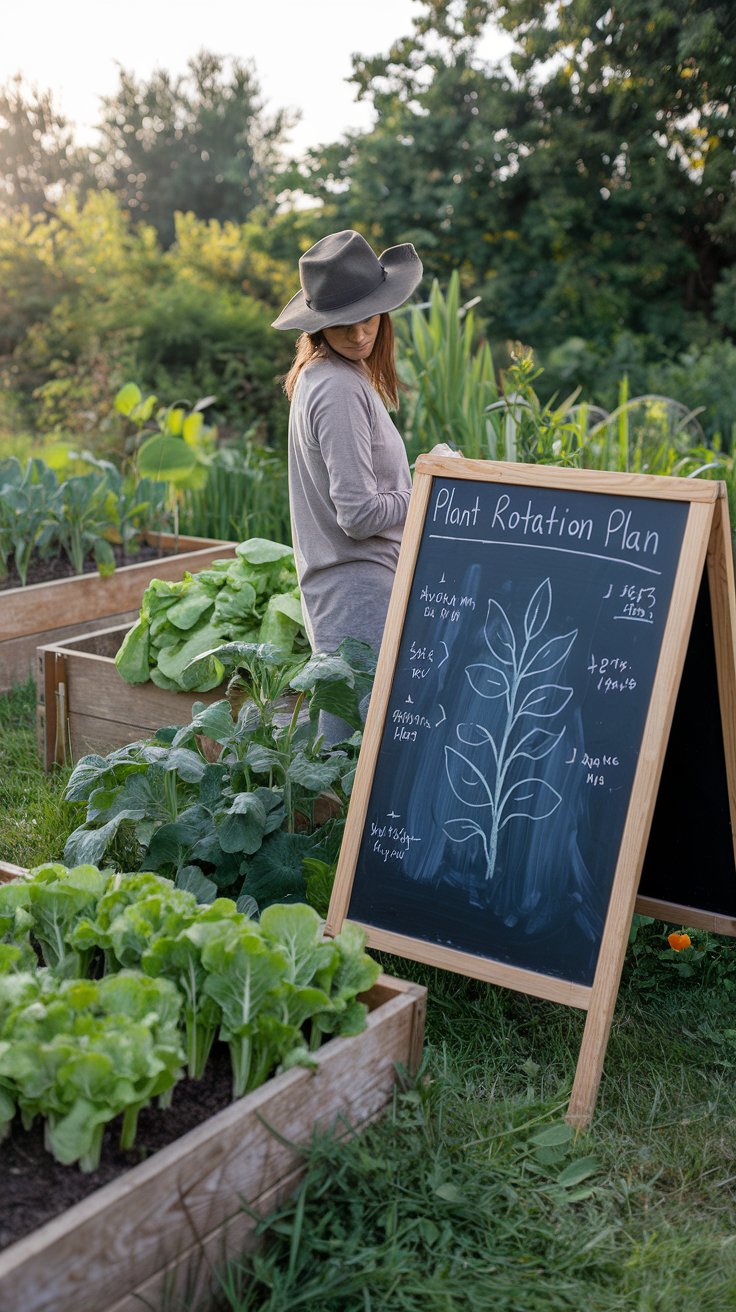
6. Rotate Crops to Keep Soil Healthy
If you want a garden that keeps producing year after year without wearing out your soil, crop rotation is one of those old-fashioned, tried and true homestead habits that makes all the difference. It sounds fancy at first, but really, it just means you are not planting the same thing in the same spot every season. When you move your crops around, your soil stays balanced, your plants grow stronger, and pests have a much harder time settling in and making themselves at home.
This is the kind of planning you do in the quiet months with a warm drink in hand, flipping through your garden notes and dreaming about spring. Then, when planting season comes, everything has a place, and your beds stay healthy and productive without needing constant fixes.
Crop Rotation Tips for Healthier Soil
🌱 Avoid planting the same crop in the same spot each year
This prevents the soil from losing the specific nutrients that one plant family uses the most and helps stop disease from building up.
🌱 Rotate plant families, not just individual crops
Tomatoes, peppers, and eggplants all belong to the same family, so moving them to a new bed each season keeps your soil in better balance.
🌱 Feed your beds between plantings
Adding compost and organic matter after each crop refreshes your soil and gives the next round of vegetables the nutrients they need to thrive.
Crop Rotation Shopping List
✔ Printable Plant Labels – Grab them from my Etsy Shop
These help you remember your plant families through the season, so planning for the next one is easy.
✔ Compost Tumbler – Get it on Amazon
A steady supply of rich compost is the secret to rebuilding your soil after every harvest.
7. Grow Perennial Vegetables for Low-Maintenance Gardening
If you love the idea of planting something once and harvesting from it for years to come, perennial vegetables are about to steal your heart. These are the quiet, dependable plants of the homestead garden. You tuck them into their own little space, give them a good start, and they show up every season like an old friend ready to feed your family again.
There is something so comforting about seeing those first asparagus spears push through the soil in early spring before the rest of the garden has even woken up. It feels like your garden is taking care of you before the busy planting season even begins. And once established, these crops ask for very little in return, which is perfect for those full homestead days when your to-do list is already a mile long.
Perennial Vegetable Tips for an Easy Harvest Year After Year
🌱 Choose a permanent spot before planting
Perennials do not like to be moved, so giving them their own dedicated bed or corner of the garden sets them up to thrive for years.
🌱 Focus on cold-hardy, reliable favorites
Asparagus, rhubarb, and even perennial herbs come back stronger every season and quickly become some of the most productive plants in your garden.
🌱 Disturb the soil as little as possible
These crops are perfect for no-till gardening, which keeps the soil life healthy and saves you work in the long run.

8. Start a No-Dig Garden for Easy Maintenance
If you are dreaming of a garden that gives back more than it takes, no-dig gardening is about as close as it gets. This method lets you build rich, beautiful soil right on top of what you already have, without all the heavy turning and back-breaking work. You are simply layering organic goodness, letting nature do the mixing for you, and ending up with beds that are full of life, moisture, and nutrients.
It is one of those systems that feels almost too good to be true. Fewer weeds, healthier plants, and soil that gets better every single season. And on those busy homestead days when you are juggling animals, meals, and everything in between, a low-maintenance garden bed is a very welcome thing.
No-Dig Gardening Tips for Healthy Soil
🌱 Start with a thick weed-blocking base
Lay down cardboard or newspaper right over the grass or old garden space to smother weeds and create a clean foundation.
🌱 Layer your organic materials generously
Alternate compost, straw, leaves, and soil to build a deep, nutrient-rich growing medium that holds moisture and feeds your plants naturally.
🌱 Leave the soil undisturbed
By not tilling, you protect the beneficial microbes and earthworms that do the hard work of keeping your soil healthy.
No-Dig Gardening Shopping List
✔ Heavy-duty Garden Fork – Get it on Amazon
Perfect for harvesting root crops and loosening layers when needed without turning the whole bed.
✔ Drip Irrigation Kit – Get it on Amazon
No-dig beds hold moisture beautifully, and this keeps watering slow, deep, and effortless.

9. Create a Herb Border to Deter Pests
If you want a garden that works hard and looks beautiful doing it, planting a herb border around your vegetable beds is one of those simple homestead upgrades that pays you back all season long. The scent alone is enough to make you slow down when you walk past, but those fragrant leaves are also quietly helping protect your crops from pests without a single spray bottle in sight.
And the real magic is that your herb border becomes more than just pest control. It turns into your go-to spot for snipping fresh flavors for supper, cutting bundles for drying, and gathering plants for your home apothecary. If you are already dreaming about growing herbs for both the kitchen and natural remedies, you will love these medicinal herb garden plants because many of them double as powerful garden companions.
Herb Border Tips for a Healthier Garden
🌱 Plant mint near problem areas
Mint helps deter aphids and cabbage moths, but give it its own container or dedicated space so it does not wander through your whole garden.
🌱 Line the edges with lavender and rosemary
These woody, fragrant herbs help repel mosquitoes and flies while creating that soft, cottage garden border that makes everything feel finished.
🌱 Let dill and fennel bloom
Those airy flowers bring in ladybugs and other beneficial insects that will take care of pest control for you.
Herb Border Shopping List
✔ Herb Seed Collection – Get it on Amazon
The quickest way to create a full, lush border that starts working right away.
✔ Decorative Garden Edging – Get it on Amazon
Keeps your herbs neatly in place and your vegetable rows easy to manage.
✔ Herb Drying Rack – Get it on Amazon
Because once everything is growing, you will be harvesting more than you can use fresh.

10. Use Mulch to Keep Soil Moist and Weed-Free
If there is one garden habit that will save your time, your back, and your water bill, it is mulching. A thick, cozy layer of mulch is like tucking your garden beds in for the season. It holds moisture in the soil, keeps weeds from popping up every other day, and slowly breaks down to feed your plants at the same time. That means less watering, less weeding, and more time doing the parts of homestead life you actually enjoy.
And during those hot summer stretches when everything feels dry by mid-afternoon, you will notice the difference right away. Pull the mulch back, and the soil underneath is still cool and damp, full of earthworms and life, which is exactly what you want for strong, healthy vegetables.
Mulching Tips for a Healthier, Low-Maintenance Garden
🌱 Choose natural, organic mulch materials
Straw, grass clippings, shredded leaves, and wood chips all feed your soil as they break down and improve its structure over time.
🌱 Lay mulch thick enough to block weeds
A deep layer keeps sunlight from reaching weed seeds and saves you hours of pulling and hoeing later.
🌱 Keep mulch a few inches away from plant stems
This prevents rot while still locking in moisture where the roots need it most.
Mulching Shopping List
✔ Heavy-duty Garden Rake – Get it on Amazon
Making leveling beds and spreading mulch is fast and satisfying.
✔ Wheelbarrow – Get it on Amazon
You will use this constantly for moving mulch, compost, and harvests around your garden.
✔ Drip Irrigation Kit – Get it on Amazon
Mulch and slow watering together create the ultimate moisture-saving system.

Bring Your Vegetable Garden to Life, One Bed at a Time
Starting your own vegetable garden is one of those simple choices that changes the way you live day to day. It is not just about the tomatoes, the carrots, or the armfuls of fresh greens you bring into the kitchen. It is about stepping outside in the morning, coffee in hand, and checking on something that is growing because of the care you gave it.
With every raised bed you build, every layer of mulch you spread, and every herb you tuck in along the border, you are creating a space that feeds your family and your soul at the same time. And the beautiful part is you do not have to do it all at once. You can start small, try one new method each season, and watch your garden become more productive and more peaceful every single year.
So grab your gloves, make a little plan, and get your hands in that good garden soil. Your healthiest, most abundant harvest is waiting for you just outside the back door 🌱🥕🍅
