
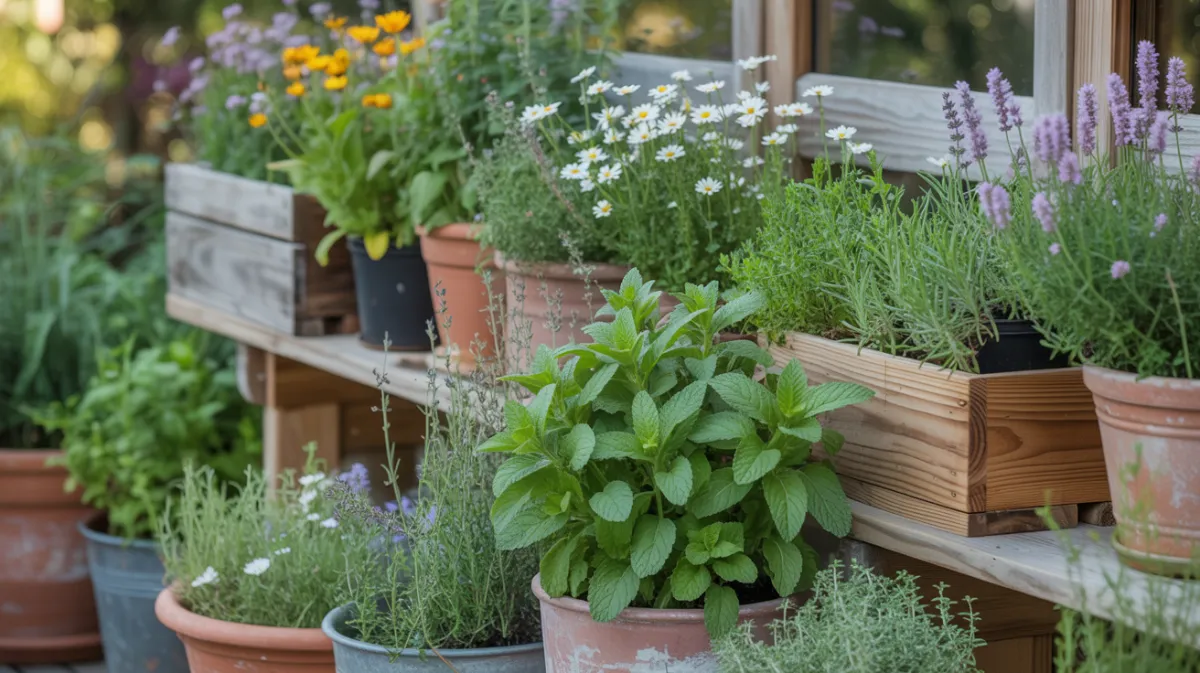
9 Easy Medicinal Herb Garden Plants Every Beginner Should Grow
Just a heads up — this website includes affiliate links, and occasionally I receive products from brands to try out. As an Amazon Associate, I earn from qualifying purchases. Some content on this site was created with help from AI tools.
You love the idea of growing your own herbs for teas, salves, and everyday wellness, but the thought of starting a medicinal herb garden can feel a little overwhelming. There’s so much information out there, and it’s easy to feel like you need to know everything before you even plant the first seed.
The truth is, you don’t need a full apothecary or years of experience to get started. You just need a few reliable, beginner-friendly herbs that grow well, don’t require constant attention, and are actually useful in everyday life.

This list focuses on easy medicinal herb garden plants that are forgiving, versatile, and perfect for beginners. Whether you’re planting in containers, raised beds, or a small backyard space, these herbs help you build confidence while creating a simple, practical medicinal herb garden you’ll actually use.
1. Calendula (The Beginner-Friendly Skin Herb) 🌼
If you’re starting a medicinal herb garden, calendula is one of the easiest herbs you can grow. It’s forgiving, fast-growing, and actually useful even if you’re brand new to medicinal herbs.
Calendula is best known for its bright orange and yellow flowers and gentle skin benefits. It’s commonly used in salves, infused oils, and balms to help soothe dry or irritated skin, which makes it one of the most practical herbs to have on hand.
If you want a simple way to get started without guessing what else to plant, the 32 Medicinal Herbs and Tea Variety Pack is a great option for beginners!
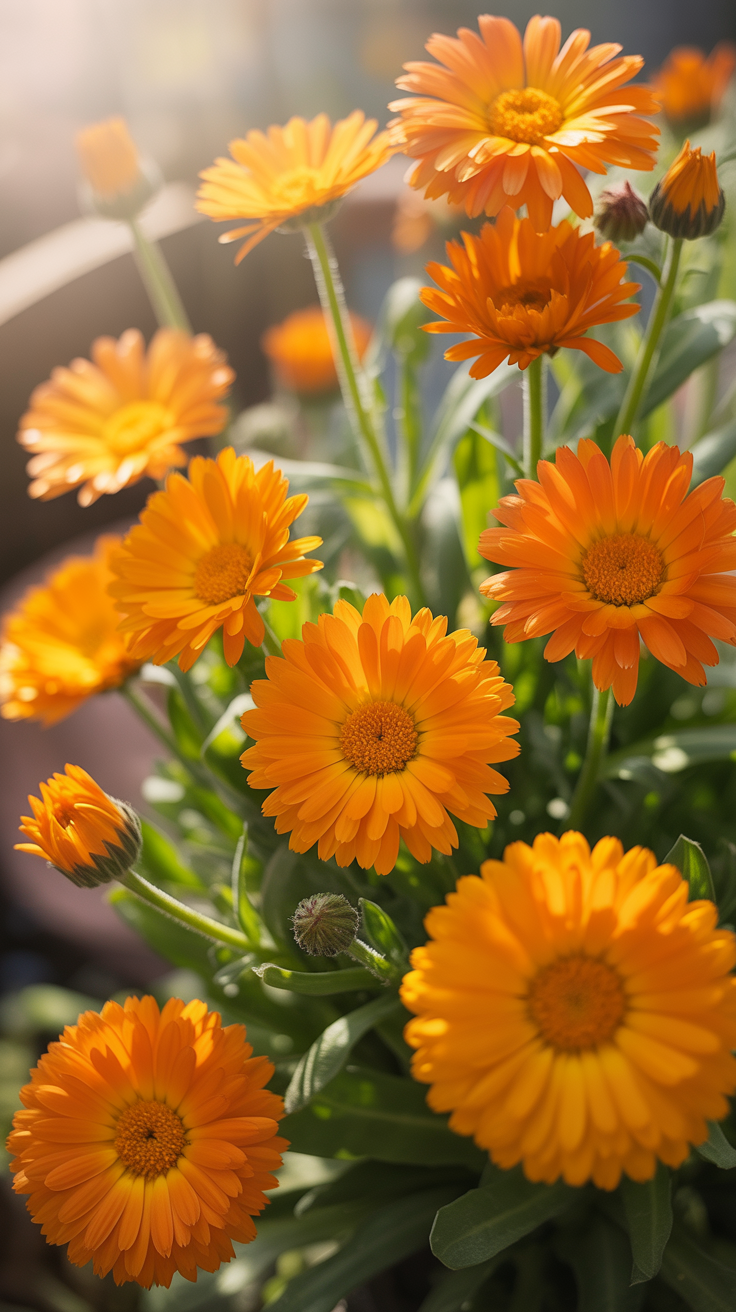
How to Grow Calendula
Light: Full sun to partial shade
Water: Water when the top inch of soil feels dry, since they do not like soggy roots
Where: Garden beds, raised beds, or containers
Calendula grows quickly and does well even in less than perfect soil, which is why it is so beginner-friendly.
🌼 Helpful Tip: Pick flowers often to keep the plant producing more blooms all season long. The more you harvest, the more you get.
How You’ll Use It
Infuse dried flowers into oil for homemade salves and balms
Add petals to DIY skin care for a gentle, natural touch
Dry and store for later use so that you always have it on hand
🌿 Simple Calendula Starter Shopping List
Calendula seeds for medicinal herb gardens (easy, beginner-friendly variety)
👉 Grab some on Amazon!Small garden snips for harvesting flowers
👉 Grab them on Amazon!Glass mason jars for infusing oils and storing dried herbs
👉 Grab a set of 20 on Amazon!
2. Chamomile (The Calm-Down Tea Herb) 🌼☕
Chamomile is one of the gentlest and most beginner-friendly plants you can add to a medicinal herb garden. It’s easy to grow, easy to harvest, and perfect for anyone who loves calming herbal teas.
This is one of those herbs that makes your garden feel useful right away, especially after one of those long, exhausting days when a warm cup of tea is exactly what you need.
If you want to keep things simple, starting with a medicinal herb starter kit that includes chamomile and other tea herbs makes it easy to grow your own tea garden without overthinking it

How to Grow Chamomile
Light: Full sun to partial shade
Water: Light, consistent watering. Do not let it dry out completely
Where: Garden beds or containers
Chamomile grows quickly and does not need perfect conditions to thrive, which makes it perfect for beginners.
🌼 Helpful Tip: Harvest flowers often to encourage more blooms. Regular picking keeps the plant producing all season long.
How You’ll Use It
Brew fresh or dried flowers into calming chamomile tea
Mix with other herbs for sleep and relaxation blends
Dry and store so you always have tea on hand
🌿 Simple Chamomile Starter Shopping List
Chamomile seeds for herbal tea gardens (easy to grow for beginners)
👉 Grab them on Amazon!Herb scissors for quick and easy harvesting
👉 Get them on Amazon!Tea infuser for loose leaf herbal teas
👉 Get it on Amazon!
3. Peppermint (The Hard-to-Kill Digestive Herb) 🌿🍃
Peppermint is one of the easiest medicinal herbs you can grow. It’s almost too easy. If you want a plant that thrives with very little effort, this one belongs in your garden.
It’s commonly used for digestion, headaches, and soothing teas, and once it gets established, it grows fast and comes back strong after every harvest.
If you’re just getting started, you can grow it from a peppermint and other herb seed kit for tea and medicinal use, and have fresh leaves ready in no time

How to Grow Peppermint
Light: Full sun to partial shade
Water: Keep soil lightly moist
Where: Always grow in containers since it spreads quickly and can take over
Peppermint is very forgiving and bounces back quickly after harvesting, which makes it perfect for beginners.
🌿 Helpful Tip: Regular trimming keeps your plant full and bushy instead of long and leggy. The more you harvest, the better it grows.
How You’ll Use It
Brew fresh peppermint tea to help with digestion
Add to herbal blends for a refreshing flavor
Dry and store leaves so you always have some on hand
🌿 Simple Peppermint Starter Shopping List
Peppermint seeds for medicinal and tea gardens
👉 Home Grown Peppermint Seeds on Amazon!Planter pot with drainage for growing mint in containers
👉 Grab this cute set on Amazon!Herb scissors for quick, regular harvesting
👉 Get them on Amazon!
4. Lemon Balm (The Gentle Stress-Relief Herb) 🍋🌿
Lemon balm is one of those herbs that feels comforting just to grow. It’s mild, calming, and perfect for beginners who want a medicinal herb garden that supports relaxation and everyday stress relief.
It has a soft citrusy scent, grows quickly, and does not need much attention, which makes it a really rewarding plant to have on hand.
If you’re building a calming tea garden, starting with a herb growing kit for beginners is an easy way to get going without overthinking it
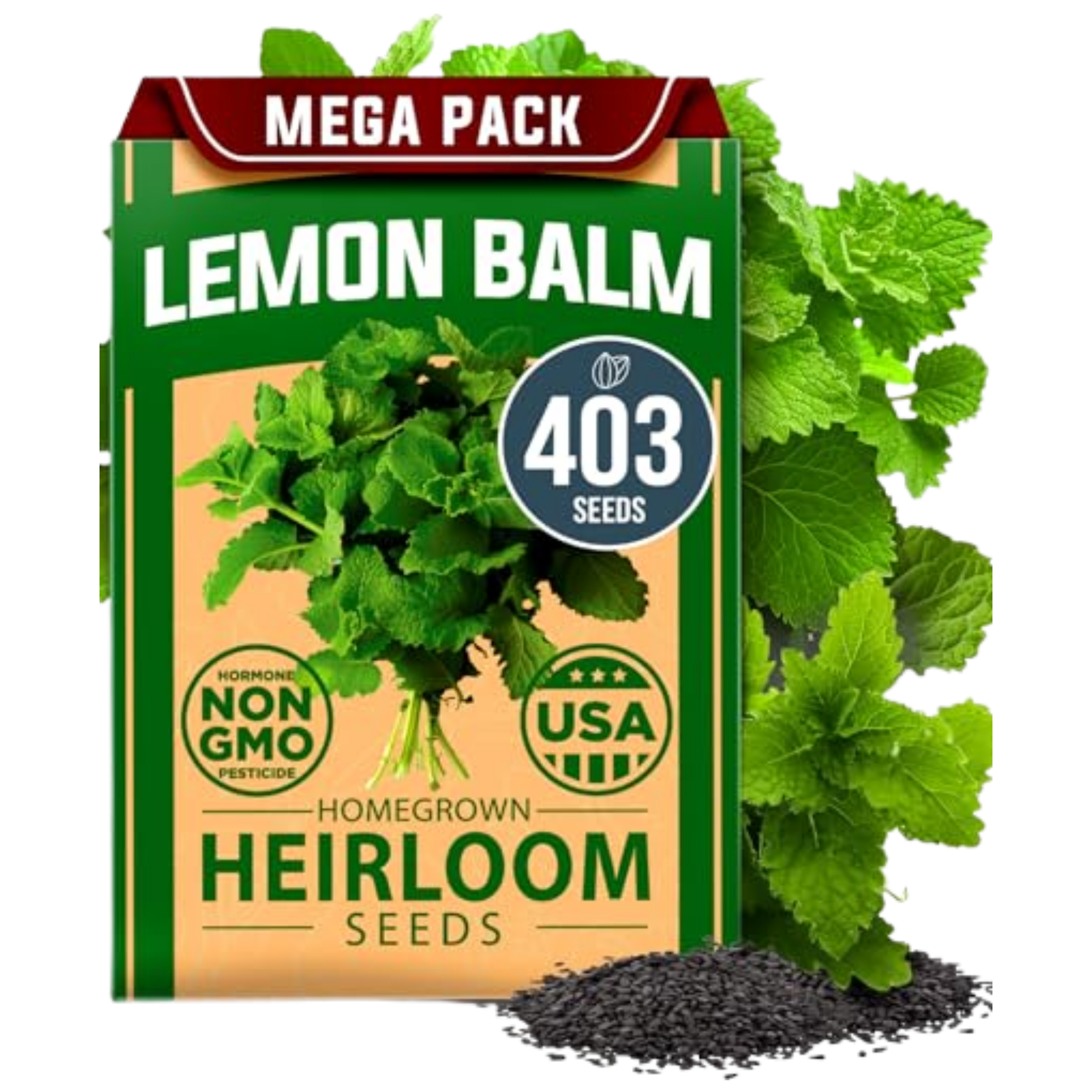
How to Grow Lemon Balm
Light: Full sun to partial shade
Water: When the top inch of soil feels dry
Where: Containers or garden beds
Like mint, lemon balm spreads easily, so growing it in a container helps keep it under control.
🌿 Helpful Tip: Harvest often to keep the plant producing fresh, tender leaves. Older leaves can lose some of their flavor.
How You’ll Use It
Brew calming lemon balm tea for stress relief
Add to sleep blends with chamomile or lavender
Use fresh leaves for a light citrus flavor in drinks
🌿 Simple Lemon Balm Starter Shopping List
Lemon balm seeds for calming tea and herb gardens
👉 Home Grown Lemon Balm Seeds on Amazon!Fabric grow bags for herbs (great for controlling spreading plants)
👉 Grab them on AmazonHerb drying rack for preserving leaves naturally
👉 Get it on Amazon
5. Lavender (The Calming, Multi-Purpose Herb) 💜🌿
Lavender is a classic for a reason. It’s beautiful, calming, and incredibly useful, making it a perfect addition to a medicinal herb garden, even for beginners.
It’s commonly used for relaxation, sleep support, and simple home remedies, and it smells amazing while it grows.

How to Grow Lavender
Light: Full sun
Water: Let soil dry out between waterings
Where: Containers or well-draining garden beds
Lavender prefers drier soil, so don’t overwater — this is one herb that thrives on a little neglect.
How You’ll Use It
Dry flowers for sleep sachets
Brew calming lavender tea
Add to homemade bath or relaxation blends
Shopping List
🪴 Lavender plant or seeds
🪣 Terracotta pot with drainage
✂️ Herb scissors
Where to Buy
Local nurseries (plants are easiest for beginners)
Online seed shops
Amazon for starter plants or seeds
6. Echinacea (The Immune Support Staple) 🌸
Echinacea is one of the most popular plants to grow in a medicinal herb garden, especially if you want herbs you can rely on year after year. It’s hardy, low-maintenance, and great for beginners.
Once established, echinacea comes back every season with very little effort.

How to Grow Echinacea
Light: Full sun
Water: Moderate watering once established
Where: Garden beds or large containers
Echinacea prefers space to grow, so give it room and let it do its thing.
How You’ll Use It
Dry flowers and roots for immune-support teas
Use in simple herbal preparations
Harvest flowers once fully open, and only harvest roots from mature plants.
Shopping List
🌱 Echinacea seeds or starter plant
🧤 Garden gloves
✂️ Garden shears
Where to Buy
Garden centers and native plant nurseries
Online seed shops
Amazon for beginner seed packs
7. Yarrow (The Old-Fashioned Healing Herb) 🤍🌿
Yarrow is a tough, no-fuss herb that deserves a spot in every medicinal herb garden. It’s been used for generations and is surprisingly easy to grow, even if you’re new to herbs.
Once it’s established, yarrow pretty much takes care of itself.

How to Grow Yarrow
Light: Full sun
Water: Low to moderate
Where: Garden beds or large containers
Yarrow prefers well-draining soil and doesn’t like to be overwatered.
How You’ll Use It
Dry flowers for traditional herbal remedies
Use in simple herbal preparations
Shopping List
🌱 Yarrow seeds
🪴 Garden space or container
✂️ Garden scissors
Where to Buy
Local nurseries
Online seed shops
Amazon for beginner-friendly seed packets
8. Sage (The Everyday Medicinal + Kitchen Herb) 🌿🍳
Sage is one of the most practical herbs you can grow. It pulls double duty in both the kitchen and your medicinal herb garden, which makes it perfect for beginners who want herbs they’ll actually use.
It’s hardy, forgiving, and smells amazing.
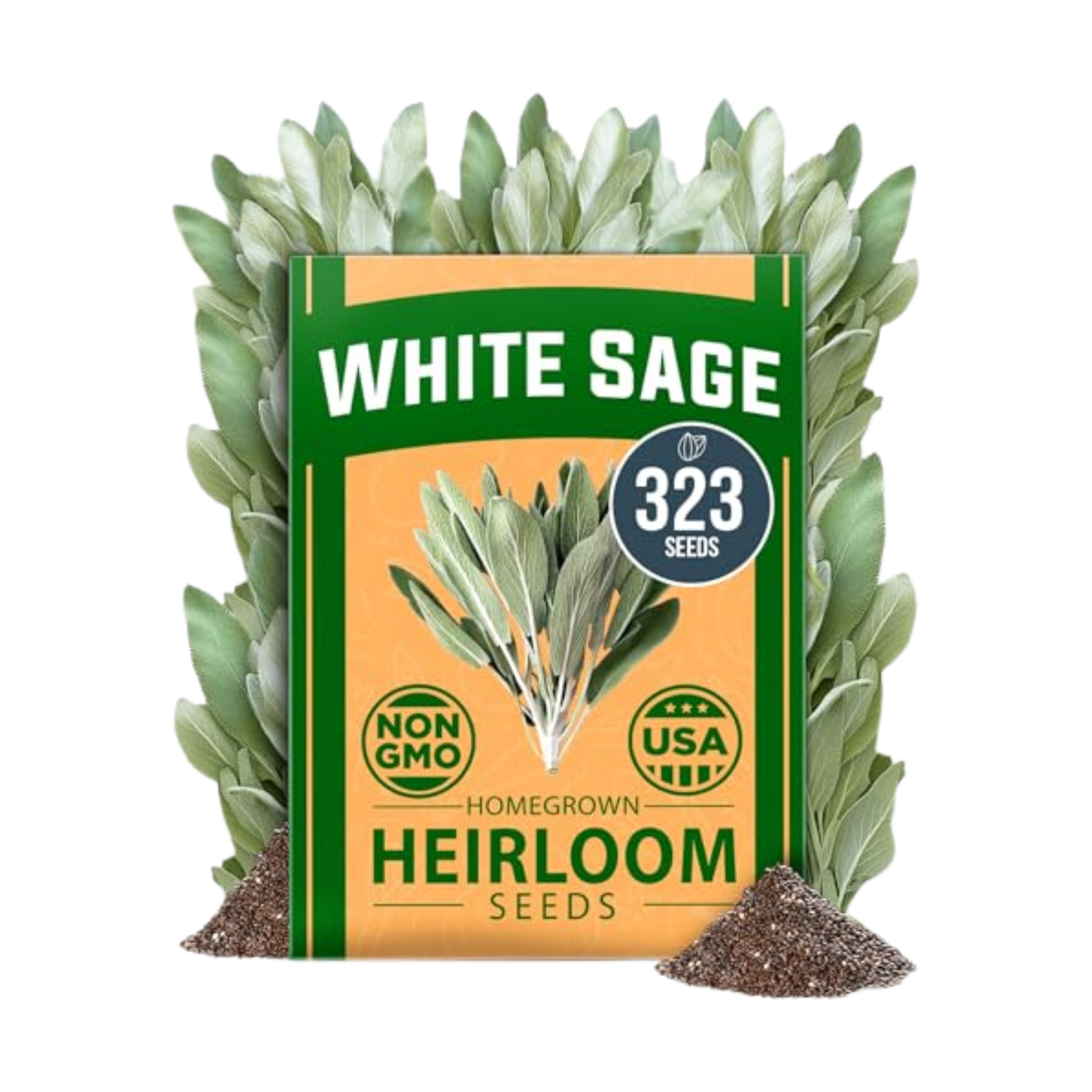
How to Grow Sage
Light: Full sun
Water: Let soil dry between waterings
Where: Containers or garden beds
Sage prefers drier soil, so less watering is better than too much.
How You’ll Use It
Brew sage tea for throat support
Dry leaves for everyday remedies
Cook with it regularly
Shopping List
🪴 Sage plant or seeds
🪣 Pot with drainage
✂️ Herb scissors
Where to Buy
Garden centers (plants are easiest)
Online herb shops
Amazon for quick-start options
9. Thyme (The Small but Mighty Medicinal Herb) 🌱💪
Thyme may be small, but it’s powerful. It’s one of the easiest herbs to grow and a great choice for beginners building a medicinal herb garden in a small space.
It thrives with very little attention.

How to Grow Thyme
Light: Full sun
Water: Light watering once established
Where: Containers, garden beds, or raised beds
**Thyme loves good drainage and doesn’t like soggy soil.
How You’ll Use It
Brew thyme tea for respiratory support
Dry leaves for herbal blends
Use fresh or dried in everyday cooking
Shopping List
🌱 Thyme seeds or plant
🪴 Shallow pot with drainage
✂️ Herb scissors
Where to Buy
Local garden centers
Online seed shops
Amazon for starter plants or seeds
Remember 🌿✨
You don’t need to grow every herb on this list to start a medicinal herb garden. Even one or two plants is enough to build confidence and start using herbs in everyday life.
If you’re short on space or time, many of these herbs also grow beautifully in an indoor herb garden, right on a windowsill or kitchen counter. Start small, keep it simple, and choose herbs you’ll actually reach for.
👉 Your next step:
Pick one herb from this list and plant it this week. Then, if you need ideas for growing herbs inside, be sure to check out my post on easy indoor herb garden ideas for busy women 🌿💚
Small steps grow the best gardens!
