
9 Best Vegetables To Plant In Early Spring For A Quick Harvest
My early spring garden is like a blank canvas, waiting for vibrant greens and colorful roots. As winter's frost fades, I feel a rush of excitement. Planting in spring is special — the cool air, the renewal, and the promise of a quick harvest.
Choosing the right vegetables for early spring is key to a bountiful harvest before summer's heat. This guide is for both seasoned and new gardeners. Let's explore the top picks for a quick and rewarding harvest.
Key Takeaways:
Planting vegetables in early spring ensures a faster harvest.
Choosing the right crops is essential for a successful early garden.
Cool-weather vegetables are perfect for early spring planting.
Prepare your soil to maximize growth potential.
Follow best practices for seed selection and planting techniques.
Why Plant Early Spring Vegetables?
Planting vegetables early in spring has many benefits. It gives you a longer growing season. This means you can enjoy fresh food sooner. Early planting also helps some springtime vegetables to plant grow strong roots before summer gets hot.
Another plus is the quicker harvests you get. Vegetables like radishes and lettuce grow fast. You can start picking them a few weeks after planting. This not only rewards your hard work but also makes room for more plants later.
Early planting also boosts your health. Fresh greens like spinach and kale are full of vitamins. They help refresh your body after winter, starting your diet off right.
Planting early brings joy back to gardening after winter. Seeing your springtime vegetables to plant grow is rewarding. It makes you feel connected to nature and helps reduce stress.
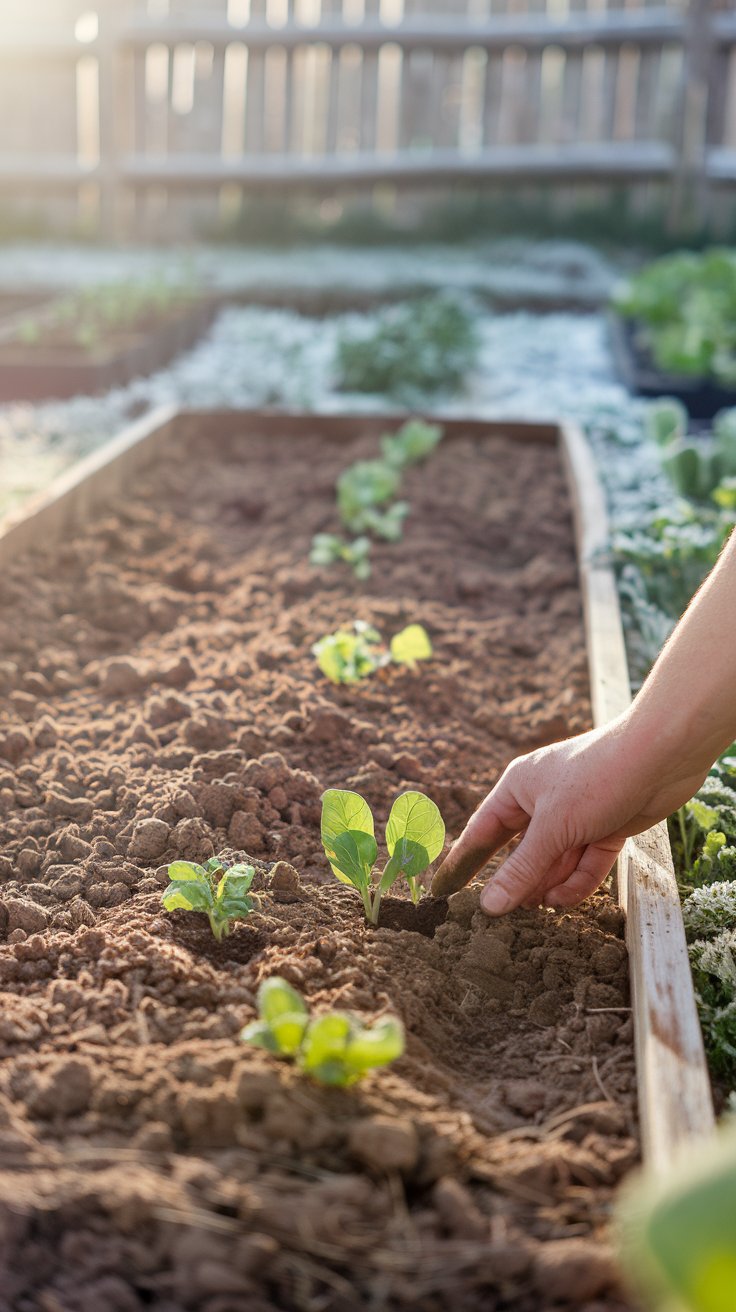
Early spring veggies also improve the soil. They add nutrients that help future crops grow. This cycle makes your garden more productive and eco-friendly.
Choosing the Right Vegetables for Early Spring Planting
Choosing the right vegetables for early spring is key to a great harvest. You need to think about climate, soil, and seed quality. These factors are crucial for a successful garden.
Climate Considerations
First, know your local climate. Early spring brings unpredictable weather. Pick vegetables that can handle frost and cool weather. Spinach, radishes, and lettuce are good choices because they grow well in the cold.
Soil Preparation
Soil prep is vital for a good early spring garden. Make sure your soil drains well and is rich in nutrients. Adding compost can help a lot. Here's how to get your soil ready:
Check the soil pH and adjust it if needed.
Clear the area of weeds and debris.
Add compost or manure to enrich the soil.
Loosen the soil to 6 inches deep for better root growth.
Seed Selection
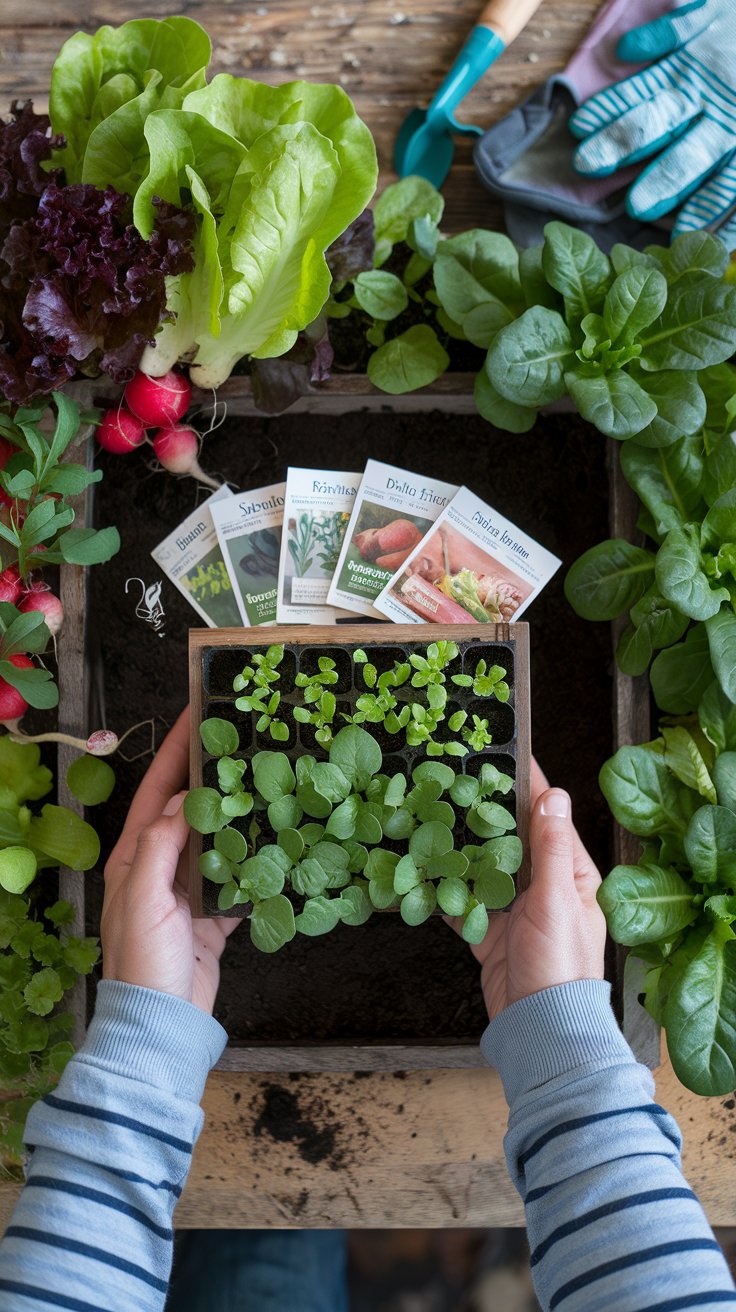
Picking the right seeds is as important as soil prep. Look for high-quality, frost-resistant seeds for early spring. Some seeds are made for cool weather, giving your garden a strong start. Here are some good choices:
Spinach: 'Bloomsdale' and 'Tyee' are great options.
Radishes: 'Cherry Belle' and 'French Breakfast' are top picks.
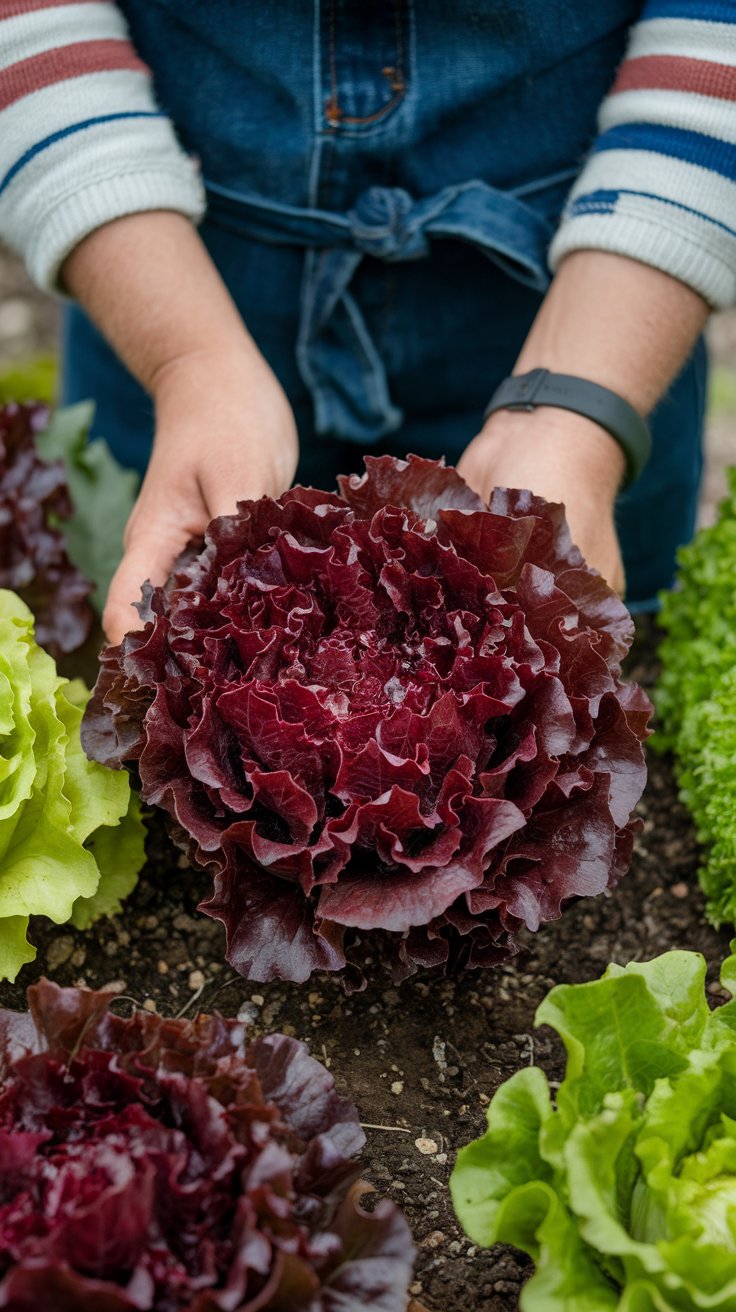
Lettuce: 'Buttercrunch' and 'Red Romaine' are excellent choices.
By thinking about climate, soil, and seed quality, you'll have a successful early spring garden. Making smart choices about what to plant will help your garden thrive.
1. Spinach: A Leafy Green that Thrives in Cool Weather
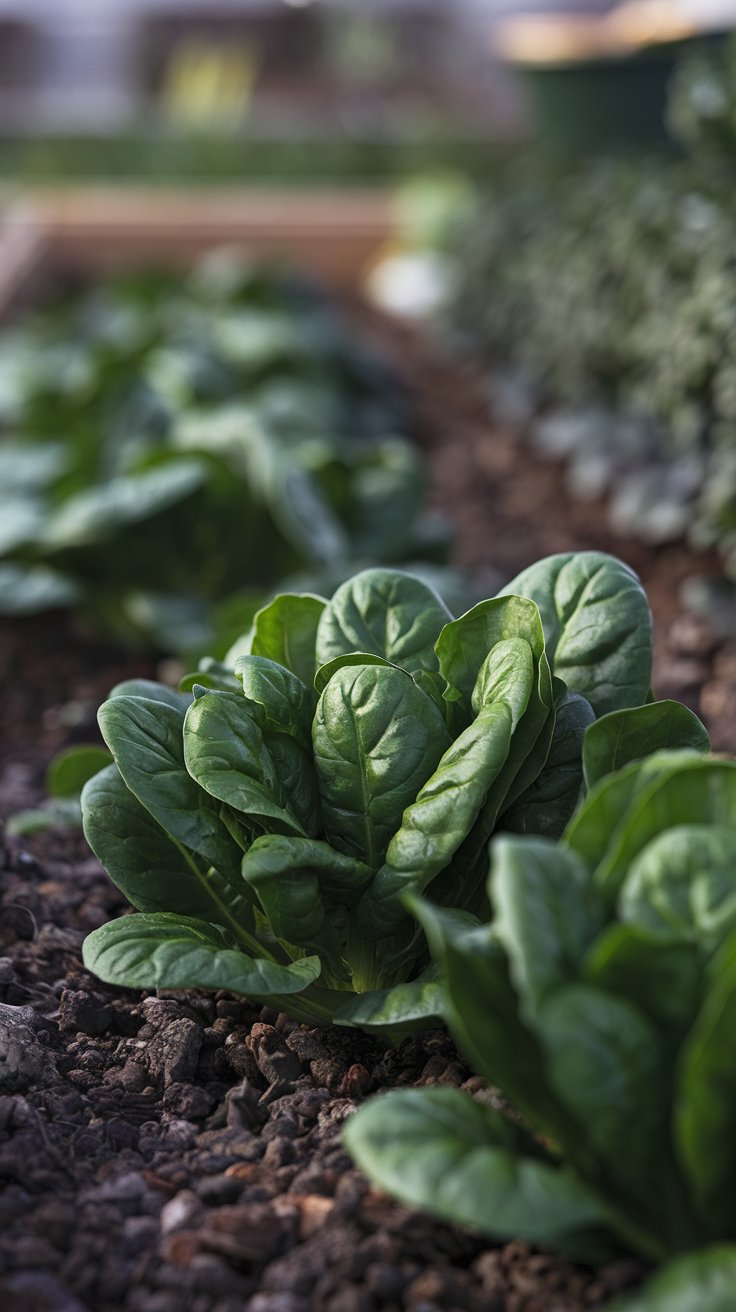
Spinach is a top pick for spring gardens. It grows well in cool weather. This means you can start growing it early, giving you fresh greens when you need them.
Varieties to Try
There are many spinach varieties to choose from for your garden. Here are some favorites:
Bloomsdale: It has dark green, crinkled leaves and tastes great.
Tyee: This spinach is resistant to downy mildew and has smooth leaves.
Space: It's a slow-growing variety that lets you harvest for longer.
Planting Tips
Getting the most from your spinach is easy. Just follow these tips:
Timing is crucial: Plant spinach six weeks before the last frost. This helps it grow in the cool weather.
Plant in succession: Sow seeds every two weeks for a steady harvest all spring.
Proper spacing: Plant seeds half an inch deep and rows 12 inches apart for best growth.
Keep soil moist: Spinach likes moist, well-drained soil. Don't let it get too wet.
By following these tips, you'll get a great harvest from your spinach. It's one of the easiest and most rewarding spring vegetables to grow, giving you plenty of leafy greens.
2. Radishes: Fast-Growing and Perfect for Beginners
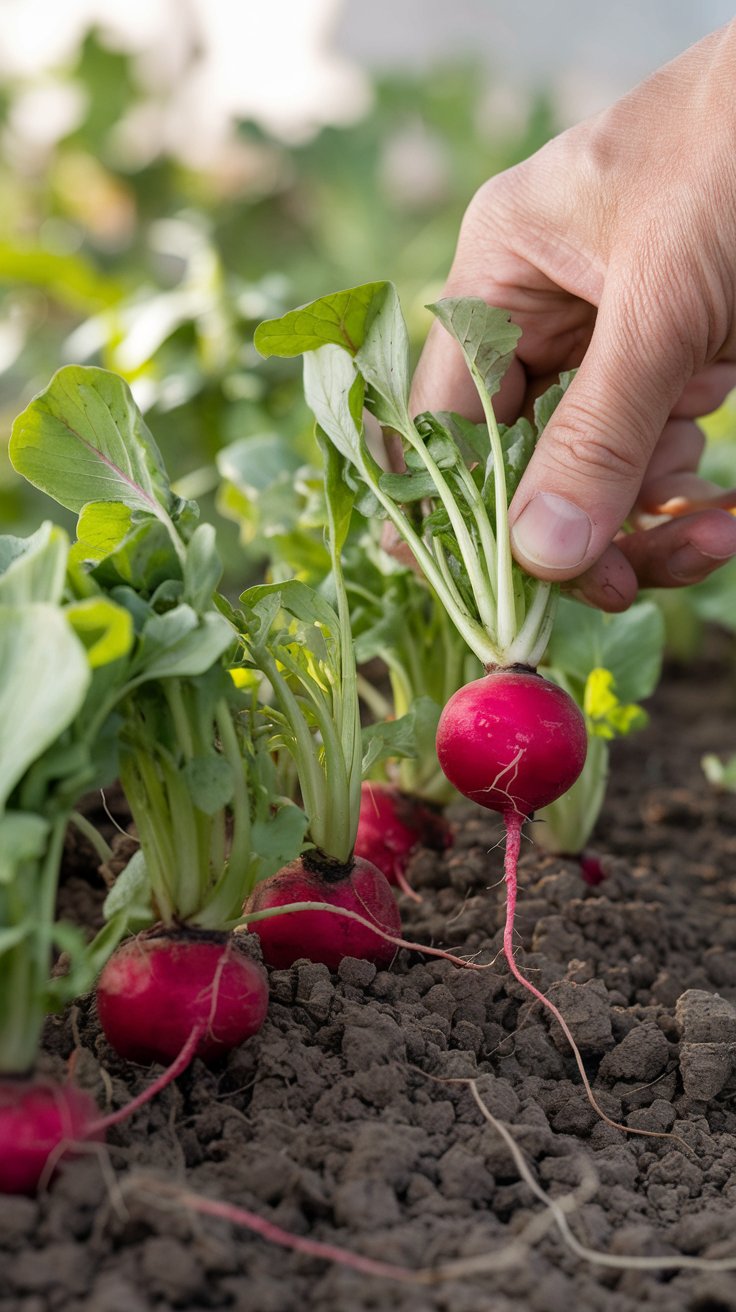
Radishes are quick to grow, making them great for new gardeners. They are fast-growing and versatile in cooking. It's key to know the different types of radishes you can grow.
Radish Varieties
There are many radish types, each with its own taste and texture. Here are a few you might like:
Cherry Belle: A classic round red radish, perfect for salads and garnishes.
French Breakfast: An elongated variety with a mild flavor, ideal for breakfast platters.
Watermelon Radish: Known for its vibrant pink interior, this variety adds a colorful twist to your dishes.
Planting and Harvesting Guide
Radishes are easy vegetables to grow in spring, needing little effort for a big harvest. Choose a sunny spot with well-draining soil. Plant the seeds about an inch apart. Radishes do well in cooler weather, so early spring is the best time.
Keep the soil moist but not too wet. In 20 to 30 days, most radishes will be ready. Check if they're firm and the right size by gently pulling on the leaves. If they're ready, they're ready to eat.
Radishes grow fast and are easy to care for, making them perfect for beginners. They offer a tasty and rewarding start to gardening.
3. Lettuce: Quick to Grow and Versatile
Lettuce is a great choice for your early spring garden. It grows fast and adds variety to your meals. Let's explore the best lettuce types for spring and how to grow them well.
Best Planting Practices
Follow these tips for a great lettuce crop:
Soil Preparation: Start with well-draining soil enriched with organic matter. Lettuce prefers a slightly acidic to neutral pH level.
Sowing: Sow lettuce seeds directly into the ground as soon as the soil can be worked in early spring. Plant seeds 1/4 inch deep and 6 inches apart.
Watering: Keep the soil consistently moist but not waterlogged. Mulching can help maintain soil moisture and reduce weeds.
Thinning: Thin seedlings to ensure proper spacing, allowing adequate air circulation to prevent disease.
By choosing the right lettuce and following these tips, you'll have a bountiful harvest. Enjoy your fresh spring greens from your garden. Happy gardening!
4. Peas: Sweet Springtime Treats
There's nothing quite as delightful as enjoying the crisp sweetness of spring peas. They're one of the first garden-fresh veggies to show up in early spring. Peas celebrate the season's change and grow well in cooler weather.
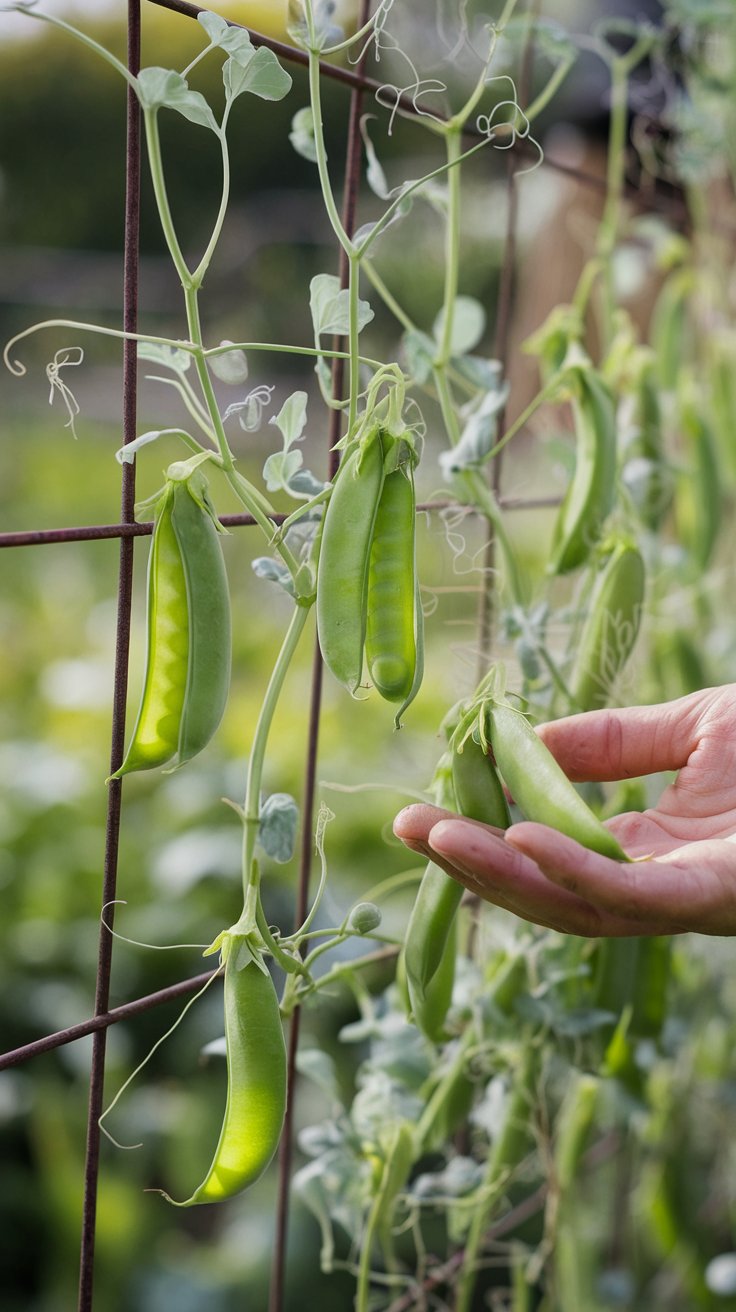
Timing is key when planting spring peas. They do well in cooler weather. So, plant them as soon as the soil is ready. I plant my peas six to eight weeks before the last frost.
“The joy of plucking fresh garden peas straight from the vine is unparalleled, a true taste of spring.”
Garden Peas: These are the classic peas that are shelled and enjoyed on their own. Perfect for fresh eating or cooking.
Snap Peas: Known for their edible pods, snap peas offer both sweetness and a subtle crunch. They are ideal for salads and stir-fries.
Snow Peas: Characterized by their flat, edible pods, snow peas are a staple in many Asian dishes. The entire pod is consumed, adding a delightful texture to meals.
Supporting structures are key for climbing peas. Trellises or netting help save space and make harvesting easier. Seeing those vines reach for the sky is worth it!
Adding garden-fresh vegetables like peas to your garden brings freshness and nutrition to your meals. Early planting means a big harvest. Enjoy the first spring treats right from your backyard.
5. Carrots: Crunchy and Nutritious
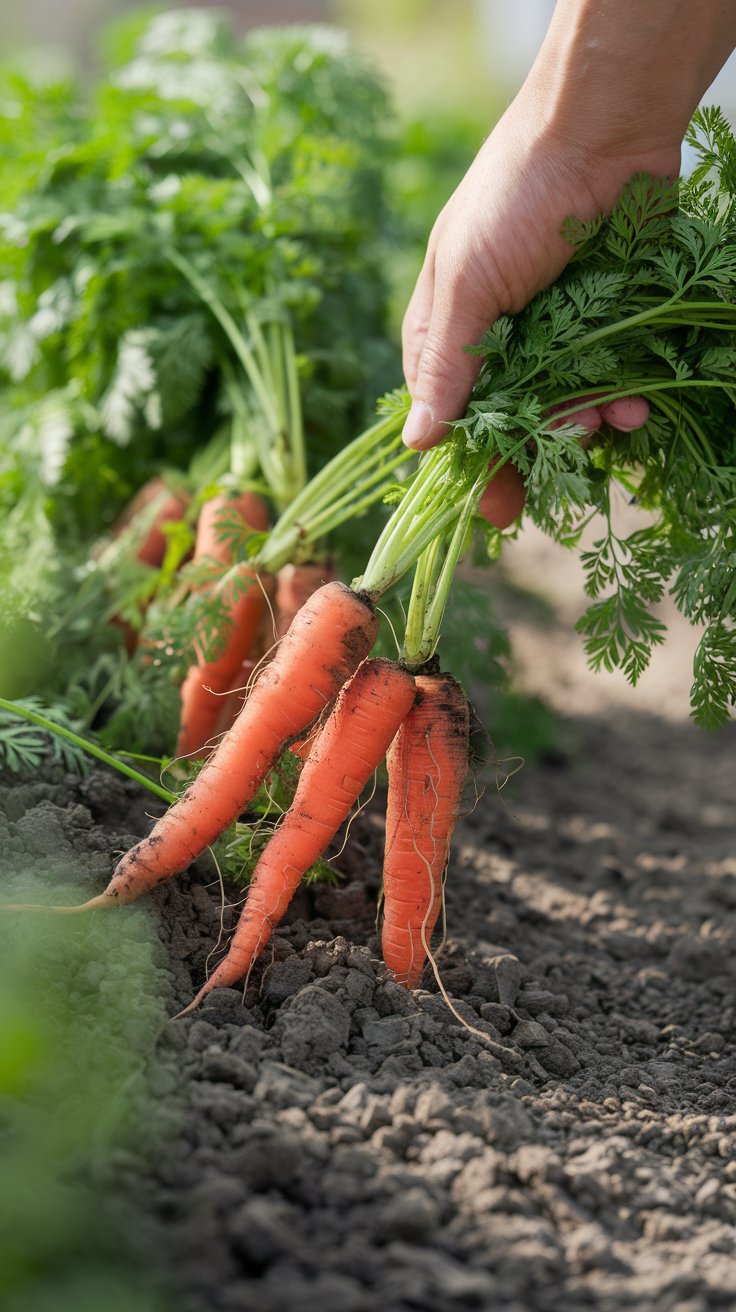
Carrots are one of my top picks for nutritious vegetables to plant in spring. They're not just crunchy; they're also full of vitamins and minerals. Let's explore the best carrot varieties and how to plant them.
Choosing Carrot Varieties
When picking carrots, choose ones that grow well in early spring. Here are some top picks:
Nantes: Known for their sweet flavor and cylindrical shape.
Danvers: Great for heavy or clay soils due to their tapered roots.
Chantenay: Shorter and stubbier, perfect for shallow soils.
Optimal Planting Methods
To grow great carrots, follow these planting tips:
Soil Preparation: Make sure the soil is loose, well-drained, and stone-free.
Sowing: Plant seeds 1/4 inch deep and space them about 3 inches apart.
Watering: Keep the soil moist but not too wet.
Using these tips can help you grow a successful crop of nutritious root vegetables for spring. Here's an inspiring image of vibrant carrot seedlings.
6. Kale: A Hardy and Nutrient-Dense Green
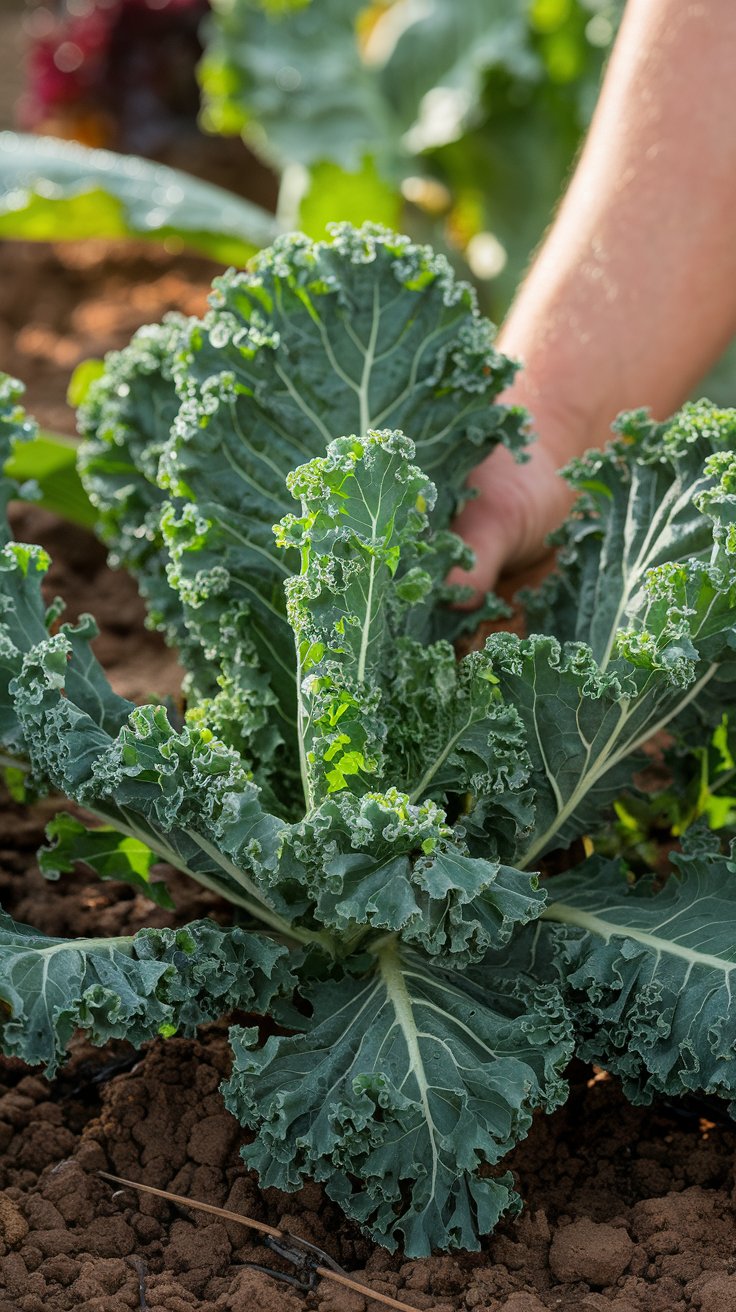
Kale is a top pick for spring gardens because it's tough and full of nutrients. It's great for any garden, thanks to its vitamins and minerals.
Benefits of Kale
Growing kale in spring is good for your health. It's loaded with vitamins A, C, and K, and minerals like calcium and potassium. Kale also has lots of fiber and antioxidants, which help your body in many ways.
Boosts immune health with high vitamin C.
Supports bone health thanks to its calcium and vitamin K content.
Promotes heart health by lowering cholesterol levels.
How to Grow Kale
To grow kale in spring, just follow these easy steps:
Site Selection: Pick a sunny spot with good drainage.
Sowing: Plant seeds directly in the ground or start them indoors 4-6 weeks before the last frost.
Watering: Keep the soil moist but not too wet.
Thinning: Thin seedlings when they're a few inches tall to give them space.
Harvesting: Harvest in 55-75 days, starting with the outer leaves.
Adding kale to your garden is a smart move. It's not only good for you, but it also does well in cool weather. Try growing kale this spring and see the difference it makes!
7. Beets: Earthy Flavors and Vibrant Colors
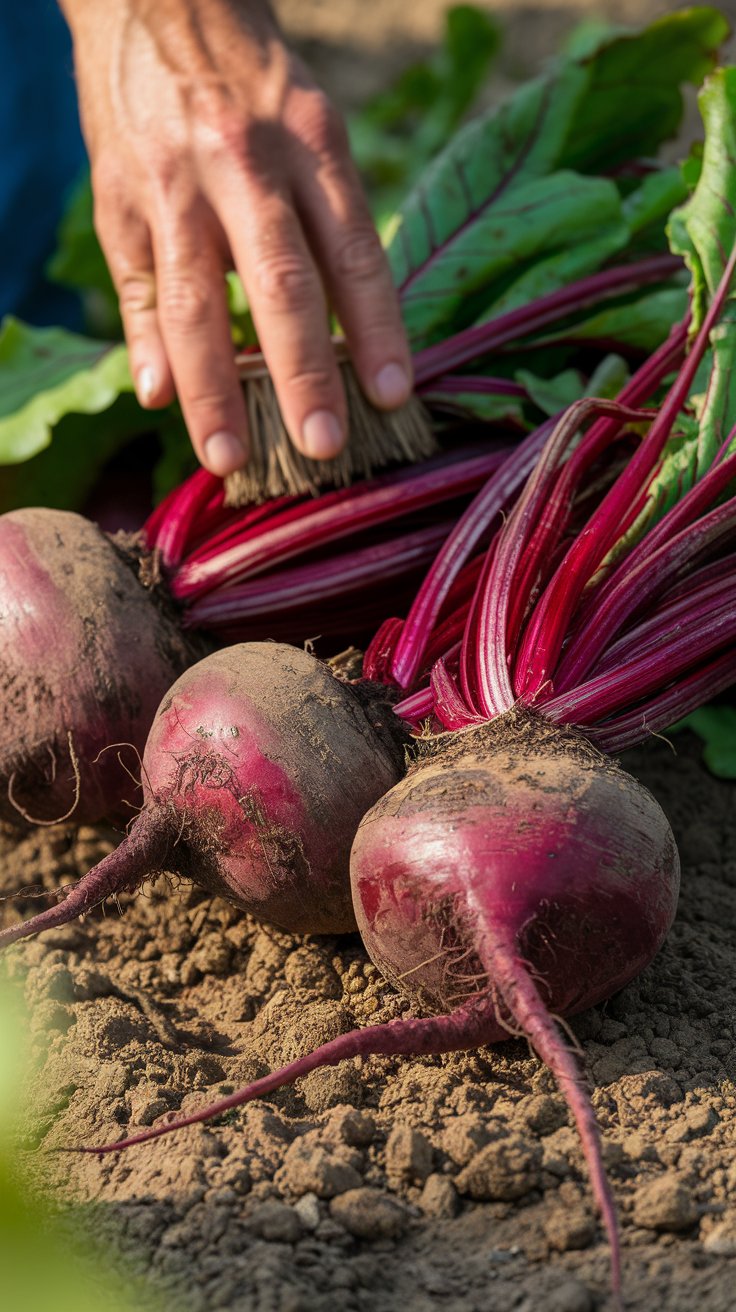
Beets are known for their bright colors and unique taste. They are great for early spring gardens. They look good and are easy to grow, making your garden both beautiful and productive.
Varieties of Beets
Here are some popular beet varieties for your garden:
Detroit Dark Red: A classic choice, known for its smooth, deep red roots that are perfect for roasting and salads.
Golden: With their sunny yellow flesh, these beets are less earthy and more sweet, making them a hit in mixed vegetable dishes.
Chioggia: This Italian heirloom variety boasts concentric rings of red and white, adding visual flair to any plate.
Planting and Care Tips
Here's how to grow beets successfully:
Soil Preparation: Beets love well-drained, fertile soil with a pH between 6.0 and 7.5. Add compost to the soil before planting to ensure it's rich in nutrients.
Planting Techniques: Plant beet seeds about 1 inch deep and 2 inches apart. Thin them to 3-4 inches apart when they sprout to give them room to grow.
Care: Keep the soil moist but not too wet. Beets are mostly pest-free but watch out for leaf miners and aphids. Mulching helps keep the soil moist and controls weeds.
Beets, whether deep red or bright yellow, are a wonderful addition to your garden. They showcase the beauty of colorful vegetables and the ease of growing root vegetables.
8. Broccoli: A Cool-Season Favorite
Broccoli is a key crop in spring gardens. It's known for growing well in cool weather. It's also packed with nutrients, making it a favorite for gardeners.

Broccoli Varieties for Spring
Choosing the right broccoli variety is important for a good harvest. Here are some popular ones:
Calabrese: Known for its large heads and prolonged harvesting period.
De Cicco: An Italian heirloom with smaller, but more frequent harvests.
Waltham 29: Favored for its frost tolerance and large yields.
Planting and Growing Broccoli
Starting broccoli in spring needs careful planning. Begin by sowing seeds indoors 6-8 weeks before the last frost. Move the seedlings outside when they have 3-4 true leaves. Make sure they get plenty of sunlight and have well-drained soil.
Broccoli grows best in soil with a pH of 6.0 to 7.0. Add compost or aged manure to enrich the soil.
Keep the soil moist to help broccoli grow. Use mulch to keep moisture in and control temperature. Watch out for pests like aphids and cabbage worms. Use organic pest control or introduce beneficial insects like ladybugs and lacewings.
Harvest broccoli when the head is tight and firm. Cut the central head before it starts to open and turn yellow. You'll get more harvests from side shoots later in the season.
9. Onions: Adding Flavor to Your Harvest
Planting onions in early spring is rewarding for gardeners. These vegetables add flavor to dishes and are easy to grow. Knowing the best planting techniques and timing is crucial for a successful harvest.
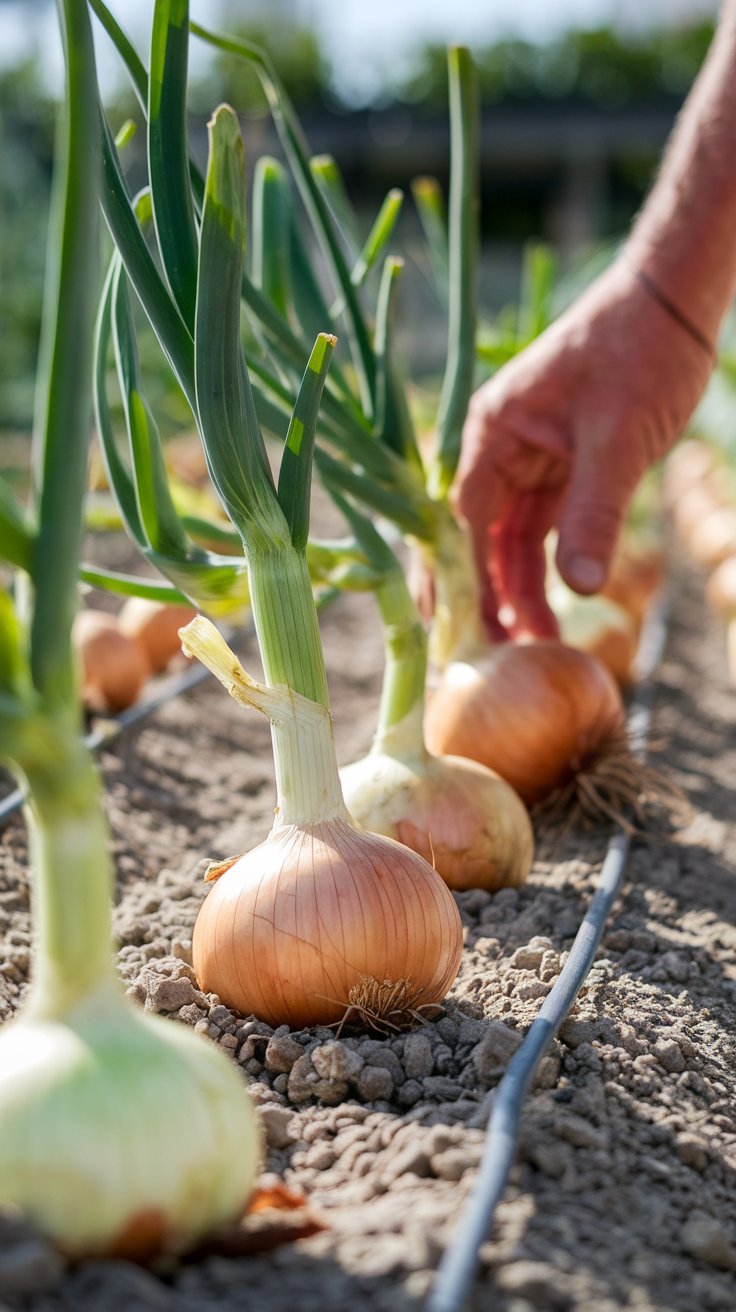
There are many onion varieties, each with its own needs and benefits. Adding spring onion planting to your garden can give you a lot of these versatile bulbs. Here's a table that shows different onions and when to plant them.
By following these tips, spring onion planting will be easy in your garden. Make sure your soil is ready and your onions get enough sunlight and water. With a little care, your onions will grow well, adding great flavor to your meals.
Vegetables to Plant in Early Spring
Early spring is an exciting time for gardeners. We get to enjoy fresh produce from our own gardens. Whether you're new or experienced, planting the right vegetables in spring makes your garden vibrant and fun.
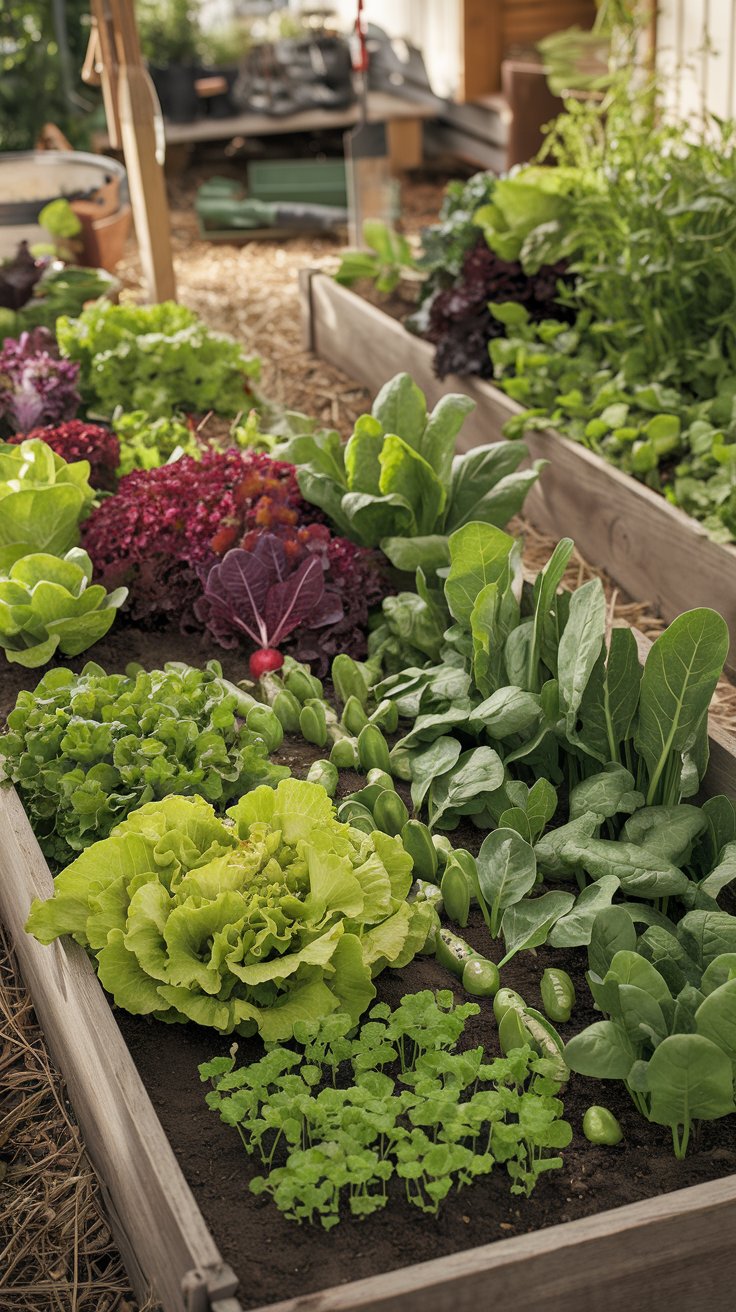
The cool weather is ideal for many vegetables. Here are some favorites and more options to make your garden diverse:
Spinach: This leafy green loves cool weather and can be harvested multiple times.
Radishes: Fast-growing and beginner-friendly, radishes are ready for harvest in just a few weeks.
Lettuce: Rapid growth and versatility make lettuce a must for any early spring garden.
Peas: Sweet and tender, peas are a delightful spring treat.
Carrots: These crunchy veggies are nutritious and perfect for spring planting.
Kale: A resilient and nutrient-dense choice that can withstand cooler temperatures.
Beets: Known for their vibrant colors and earthy flavors, beets add variety to your garden.
Broccoli: A favorite cool-season vegetable, ideal for early spring gardens.
Onions: These flavorful bulbs are essential for any cooking enthusiast's garden.
Besides these top picks, consider adding Swiss chard, kohlrabi, and turnips to your garden. They do well in early spring and add diversity to your garden.
It's the perfect time to start planning your early spring garden. Make sure it's filled with a variety of fresh, delicious produce. Happy planting!
Conclusion
Starting a spring vegetable garden is very rewarding. You can grow many vegetables in early spring. These include hardy greens like kale and spinach, and quick-growing veggies like radishes and lettuce.
Planting early takes advantage of cool weather, which many spring veggies love. Choosing the right varieties and following the best planting practices helps you succeed. Seeing your crops grow and harvesting fresh produce is very satisfying.
So, start your spring vegetable garden today. Enjoy the beauty of growing things and feel proud of your early harvest. Follow the tips and guidelines to enjoy your hard work soon. Happy gardening!
FAQ
What are the best vegetables for early spring planting?
Great choices for early spring include spinach, radishes, and lettuce. Peas, carrots, kale, beets, broccoli, and onions are also good. These veggies love cooler weather and grow fast, giving you a quick start to your garden.
Why should I plant vegetables in early spring?
Early spring planting extends your growing season. It brings fresh produce sooner. Plus, it refreshes your garden after winter and boosts your health with spring veggies.
What factors should I consider when choosing vegetables for early spring planting?
Think about your climate, soil prep, and seed quality. Pick frost-resistant seeds and get your soil ready for a healthy start.
How do I prepare my soil for an early spring vegetable garden?
Clear your garden bed first. Then, till the soil to improve air flow. Add compost to enrich it and ensure good drainage for your plants.
What makes spinach a good choice for early spring planting?
Spinach loves cool weather and grows fast. It's perfect for early spring. Plus, there are many varieties to suit different tastes and growing conditions.
Why are radishes suitable for beginners?
Radishes grow quickly and are easy to care for. They're great for new gardeners. They give fast results, encouraging beginners to grow more.
What types of lettuce are best for early spring planting?
Romaine, Butterhead, and Leaf Lettuce grow well in cool weather. They add variety to your garden with their different textures and flavors.
How should I support my pea plants in early spring?
Use trellises or stakes to support peas. This helps them climb and prevents them from spreading. It makes harvesting easier and promotes better growth.
What are some tips for growing carrots in early spring?
Pick the right carrot variety for your area. Make sure the soil is loose and drains well. Plant seeds in rows, thin them out, and water regularly for even growth.
What are the benefits of growing kale in spring?
Kale is packed with nutrients and grows well in cool weather. It's rich in vitamins A, C, and K, and antioxidants, making it a healthy choice.
How can I ensure a successful beet harvest?
Choose cool-weather beet varieties and prepare your soil well. Sow seeds evenly, thin them out, and water regularly. This will help your beets grow strong.
What should I know about planting broccoli in early spring?
Select broccoli for cooler climates. Start seeds indoors or directly in the garden. Give them enough space and watch for pests. Good soil and regular watering will help them thrive.
How do I plant onions for an early spring harvest?
Plant onions from seeds or sets in well-drained soil. Pick varieties for your area and plant early. They need sunlight and water to grow well.
