
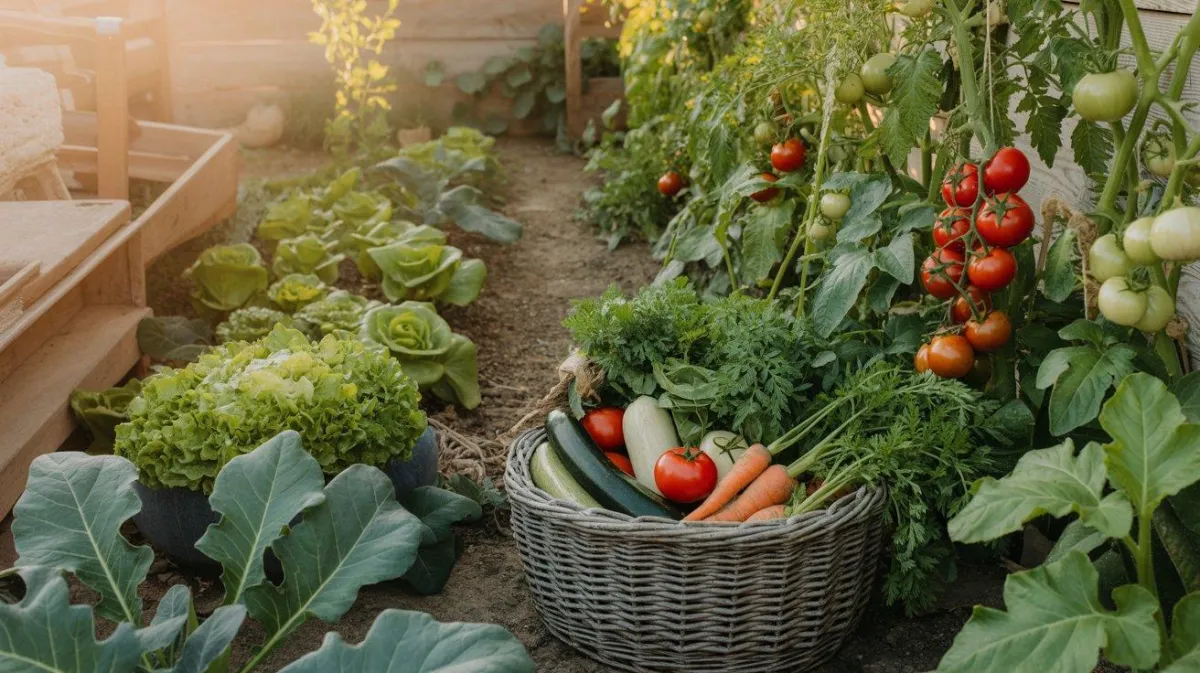
How You Can Grow a Productive Vegetable Garden for Fresh Food All Season
Just a heads up — this website includes affiliate links, and occasionally I receive products from brands to try out. As an Amazon Associate, I earn from qualifying purchases. Some content on this site was created with help from AI tools.
There is something so satisfying about stepping outside, picking fresh vegetables, and bringing them straight into your kitchen. You get to cook meals with food you grew yourself, and it just feels different in the best way. Everything tastes better, feels more rewarding, and makes all the effort feel worth it.
If you have ever thought about starting your own vegetable garden but felt a little unsure where to begin, you are definitely not alone. It can feel like there is a lot to figure out at first, but it really does not have to be complicated. With a simple plan and a little consistency, you can grow a garden that keeps producing fresh food all season long.
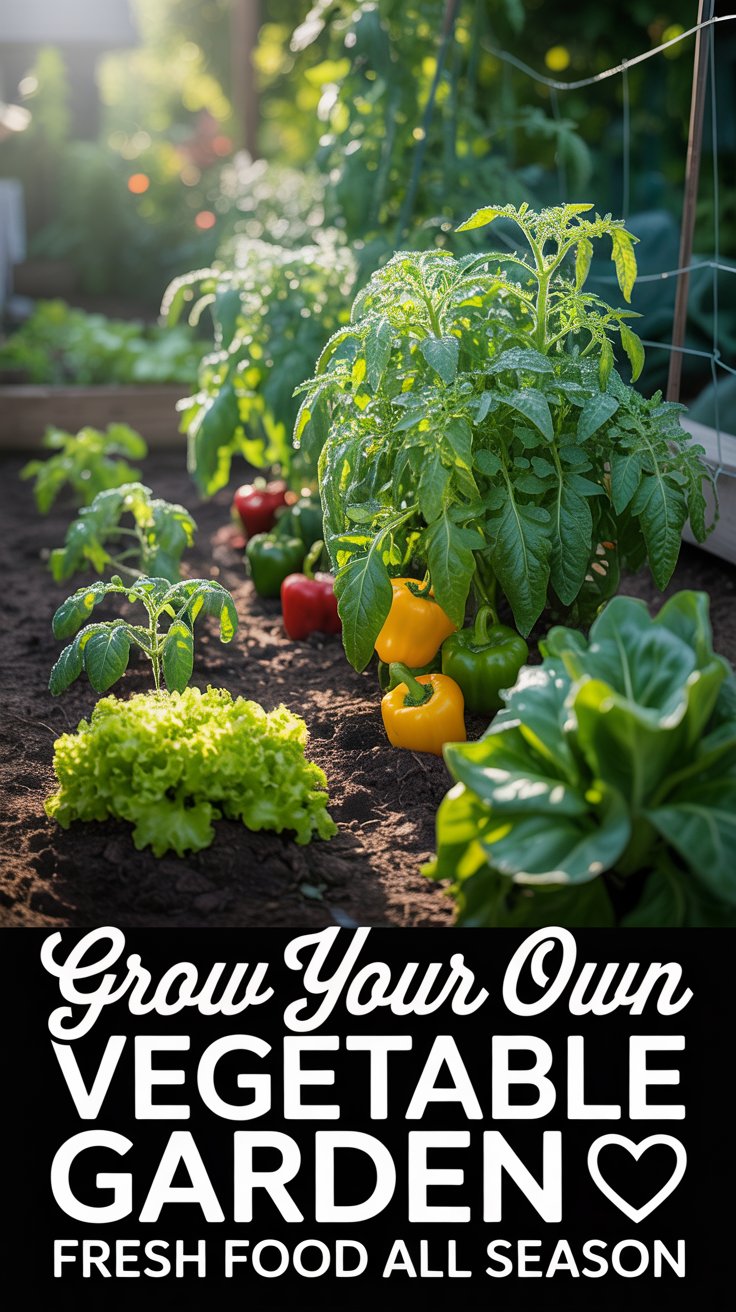
You do not need a huge space or years of experience to get started. Whether you have a backyard, a few raised beds, or even a small area to work with, you can grow more than you might think. In this guide, you will learn exactly how you can grow a productive vegetable garden step by step so you can enjoy fresh, homegrown food right from your own space.
🥕 How You Can Choose the Right Vegetables for Continuous Harvest
When you are planning your vegetable garden, what you choose to grow will make a big difference in how much food you actually get throughout the season. It can be tempting to plant a little bit of everything, but being intentional with your choices will help you get better results and a steadier harvest. The goal is to create a garden that keeps producing over time instead of giving you everything all at once and then slowing down.
By choosing the right mix of vegetables, you can make sure there is always something ready to pick. This not only makes your garden more productive, but it also makes it more enjoyable because you are consistently bringing fresh food into your kitchen instead of waiting long periods between harvests.
🌱 Focus on High-Yield, Beginner-Friendly Vegetables
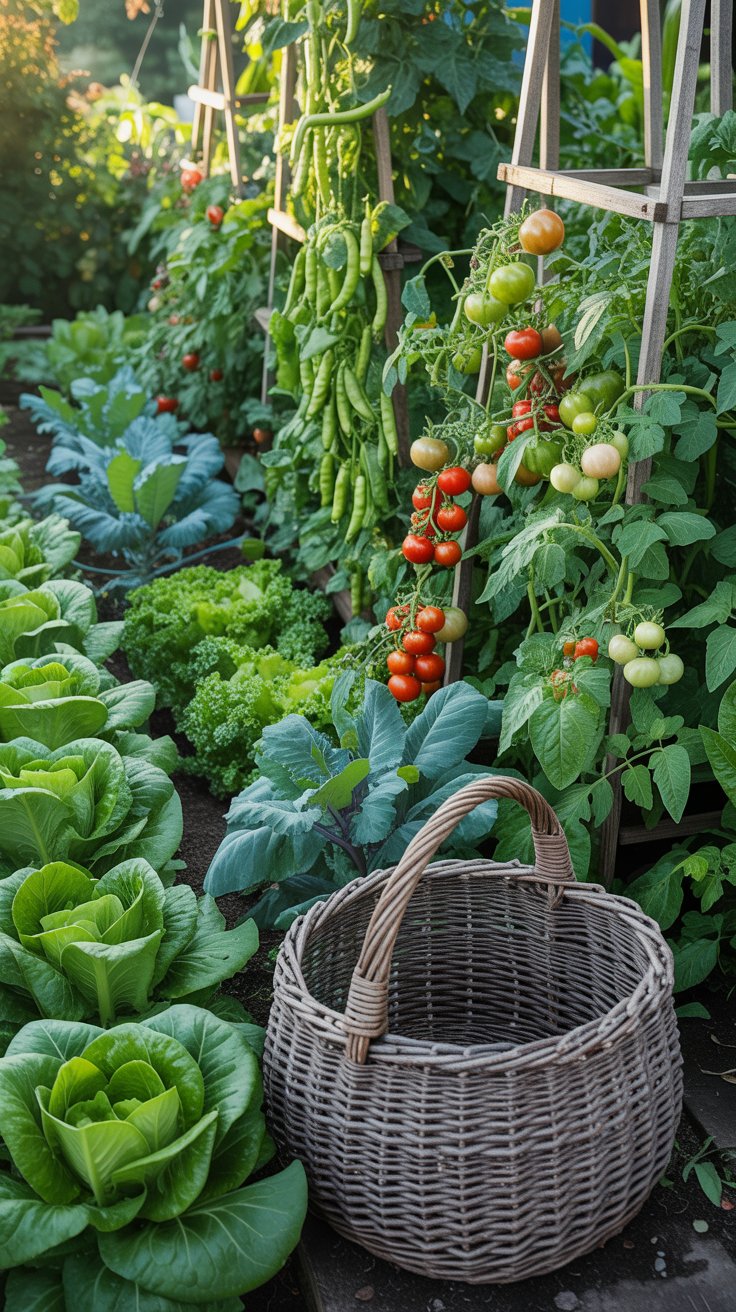
If you are just getting started, it really helps to choose vegetables that are known for being easy to grow and reliable. These are the kinds of plants that will give you the most return for your effort and help you build confidence as you learn. When you start with crops that are more forgiving, it takes a lot of the pressure off and makes the whole experience more enjoyable.
➤ Lettuce
➤ Green beans
➤ Zucchini
➤ Cherry tomatoes
➤ Spinach
These vegetables tend to grow quickly, do not require complicated care, and will continue producing when you harvest them regularly. They are a great way to see results early and keep your garden feeling productive.
🌼 Mix Quick Growers with Long-Season Crops
To keep your harvest going all season long, you will want a mix of vegetables that grow at different speeds. Some plants will be ready to harvest in just a few weeks, while others take longer but continue producing over time. When you combine both types, you create a more balanced and steady flow of food from your garden.
➤ Fast growers like lettuce and spinach for early harvests
➤ Mid-season crops like beans and cucumbers
➤ Long-season plants like tomatoes and peppers
This kind of planning helps you avoid having everything ready at once, followed by a gap where nothing is growing. Instead, your garden stays active and productive from early in the season right through to the end.
🌿 Choose “Cut and Come Again” Vegetables
Some vegetables are especially valuable because they keep producing the more you harvest them. These are often called “cut and come again” crops, and they are perfect if you want a garden that continues to give back over time. Instead of pulling the whole plant, you take what you need and let it keep growing.
➤ Leafy greens like lettuce and kale
➤ Herbs and soft greens
➤ Beans and peas
When you harvest these regularly, they respond by producing even more. This creates a steady supply of fresh food and helps you get the most out of the space you are working with.
🌞 How You Can Pick the Best Spot for Your Vegetable Garden
Choosing the right spot for your vegetable garden is one of those things that can make everything easier from the very beginning. You do not need the perfect setup, but giving your plants what they need right from the start will save you a lot of frustration later on. When your garden is in a good location, things tend to grow stronger, need less fixing, and just feel easier to manage day to day.
This is also where your garden starts to fit into your routine. When it is placed somewhere that makes sense for your space and your lifestyle, you are more likely to check on it, care for it, and actually enjoy the process instead of feeling like it is another chore to get done.
☀️ Make Sure Your Garden Gets Plenty of Sun
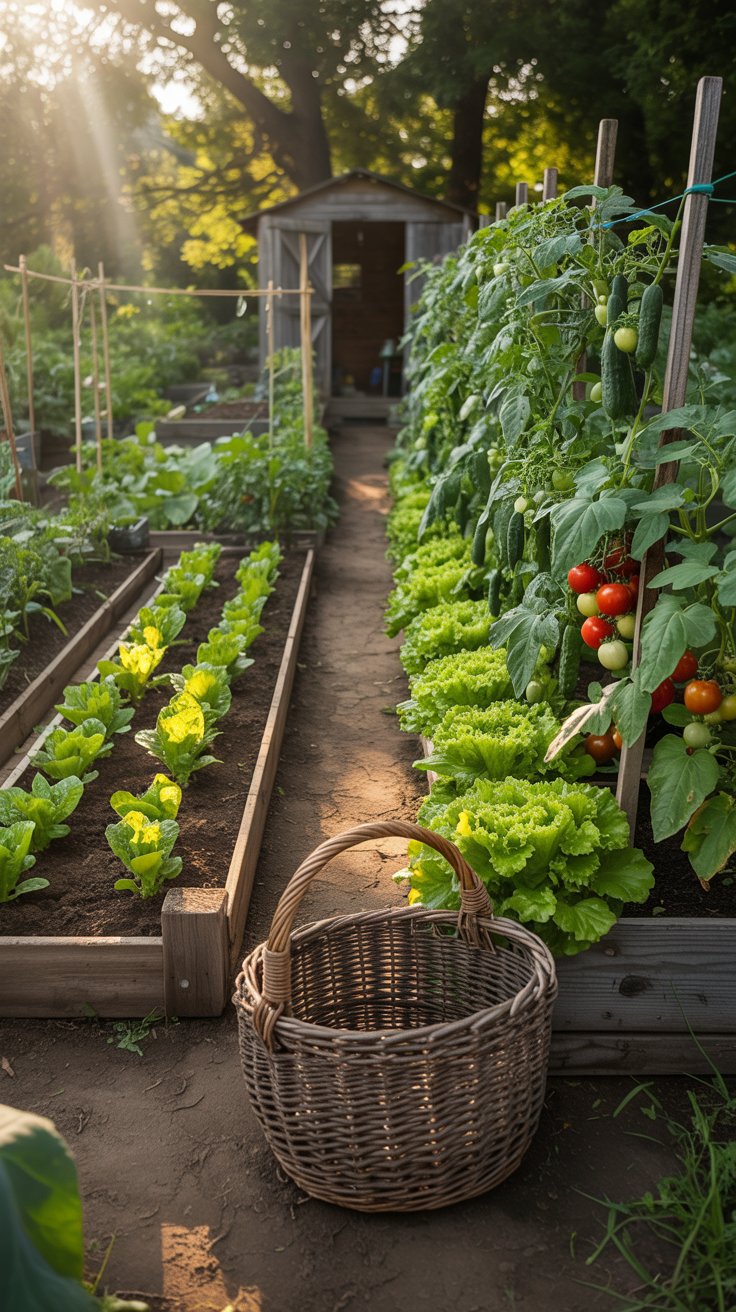
Most vegetables love sunlight, and they need quite a bit of it to grow well. If your plants are not getting enough sun, you will likely notice slower growth, smaller harvests, and weaker plants overall.
➤ Aim for at least 6 to 8 hours of direct sunlight each day
➤ Choose an open area without too much shade from trees or buildings
➤ The more sun your garden gets, the more productive it will be
A bright, sunny spot really does make all the difference when it comes to growing strong, healthy vegetables.
🌱 Look for Well-Draining Soil
Vegetables do best in soil that holds some moisture but does not stay soggy. If water tends to sit in one area for too long, it can lead to root problems and slow down your plants.
➤ Avoid low spots where water collects after rain
➤ Choose soil that feels soft and not too heavy
➤ Raised beds can help if your ground soil holds too much water
Good drainage helps your plants grow stronger roots, which means better growth above the soil too.
💧 Keep It Close and Easy to Reach
One of the simplest things that makes a big difference is placing your garden somewhere that is easy to get to. You will be watering, checking, and harvesting often, so having it nearby makes everything feel more natural and less like work.
➤ Place your garden close to your house if possible
➤ Make it easy to carry water, tools, or a basket
➤ The easier it is to reach, the more you will use and enjoy it
When your garden fits into your everyday routine, you are much more likely to stay consistent with it.
🌱 How You Can Prepare Your Soil for Healthy Vegetables
Alright, this is one of those steps that might not feel exciting, but trust me, it is where everything really starts. If your soil is healthy, your plants will be healthier, stronger, and way more productive. If your soil is struggling, you will feel like you are constantly trying to fix things all season long.
Think of your soil like the foundation of your garden. You would not build a house on shaky ground, and it is the same idea here. When you take a little time to get your soil right in the beginning, everything else becomes so much easier and, honestly, a lot more enjoyable.
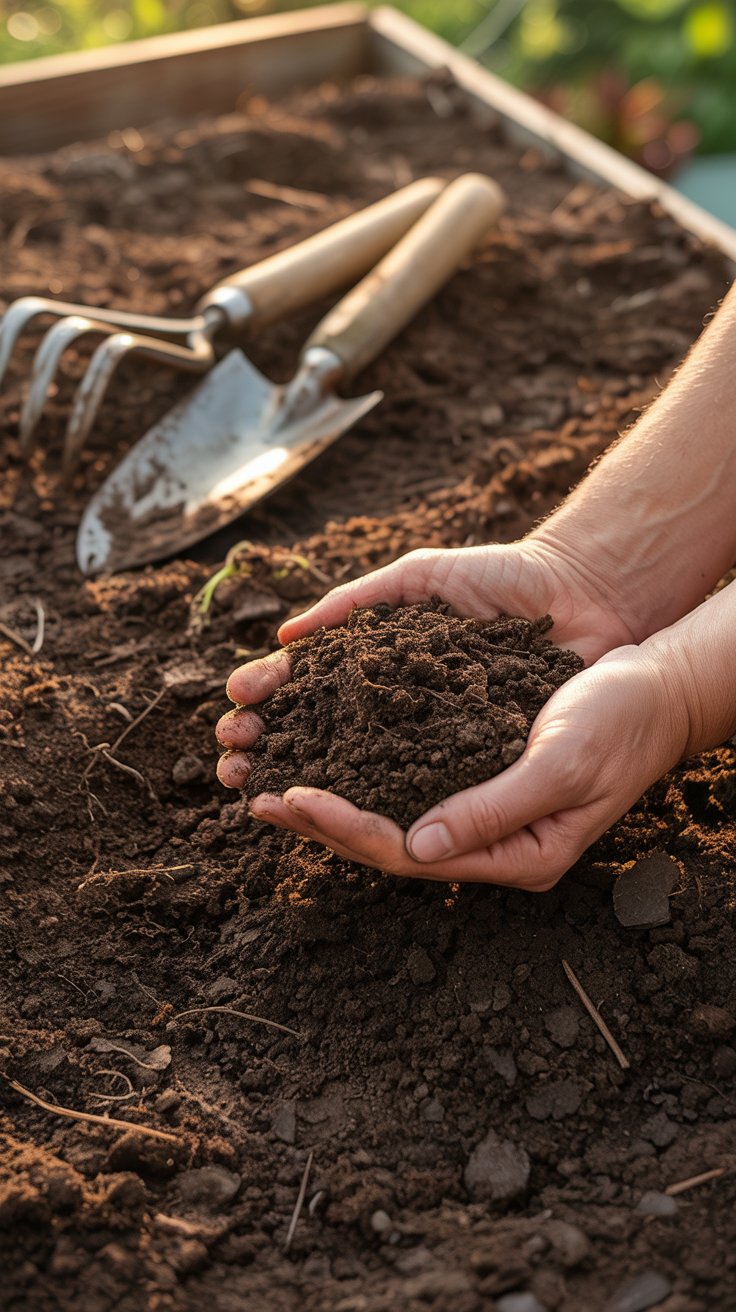
🌿 Start by Loosening Your Soil
Before you plant anything, you want to make sure your soil is soft and easy for roots to grow through. If it is too compact, your plants will have a harder time spreading out and getting what they need.
➤ Use a shovel or garden fork to loosen the soil
➤ Break up any hard clumps or packed areas
➤ Aim for soil that feels soft and crumbly in your hands
This step might seem simple, but it makes a huge difference in how well your plants settle in and grow.
🌼 Add Compost to Feed Your Garden
This is honestly one of the easiest ways to give your garden a boost without overthinking it. Compost adds nutrients back into your soil and helps create that rich, healthy environment your vegetables love.
➤ Mix compost into the top layer of your soil before planting
➤ Use homemade compost or a good quality bagged option
➤ Helps improve both drainage and moisture retention
When your soil is full of nutrients, your plants do not have to struggle, and you will notice stronger growth and better harvests.
🌸 Clear Out Weeds Before You Plant
I know it is tempting to just start planting and deal with weeds later, but doing a quick cleanup now will save you so much time and effort down the road.
➤ Pull weeds out by the roots
➤ Remove as much as you can before planting
➤ Try to keep the area clean as your garden grows
Weeds compete with your vegetables for water and nutrients, so giving your plants a clean start really helps them take off.
🌱 Take a Minute to Check Your Soil
Before you move on to planting, just take a second to look at what you are working with. You want soil that feels soft, rich, and easy to dig into, not too dry and not too wet.
➤ Soil should hold moisture but not feel soggy
➤ It should crumble easily in your hand
➤ You want it to feel alive and workable
This is one of those little moments where you can pause and feel confident that you are setting your garden up the right way.
🌿 How You Can Plant Your Vegetable Garden Step by Step
Okay, this is the part where everything starts to feel real. You have your space picked out, your soil is ready, and now you finally get to plant your garden. This is where all that planning turns into something you can actually see growing, and it is honestly one of the most exciting parts.
And just between us, you do not need to do this perfectly to get a good result. Plants are a lot more forgiving than people think. As long as you give them a solid start and a little consistency, they will grow right alongside you while you figure things out.
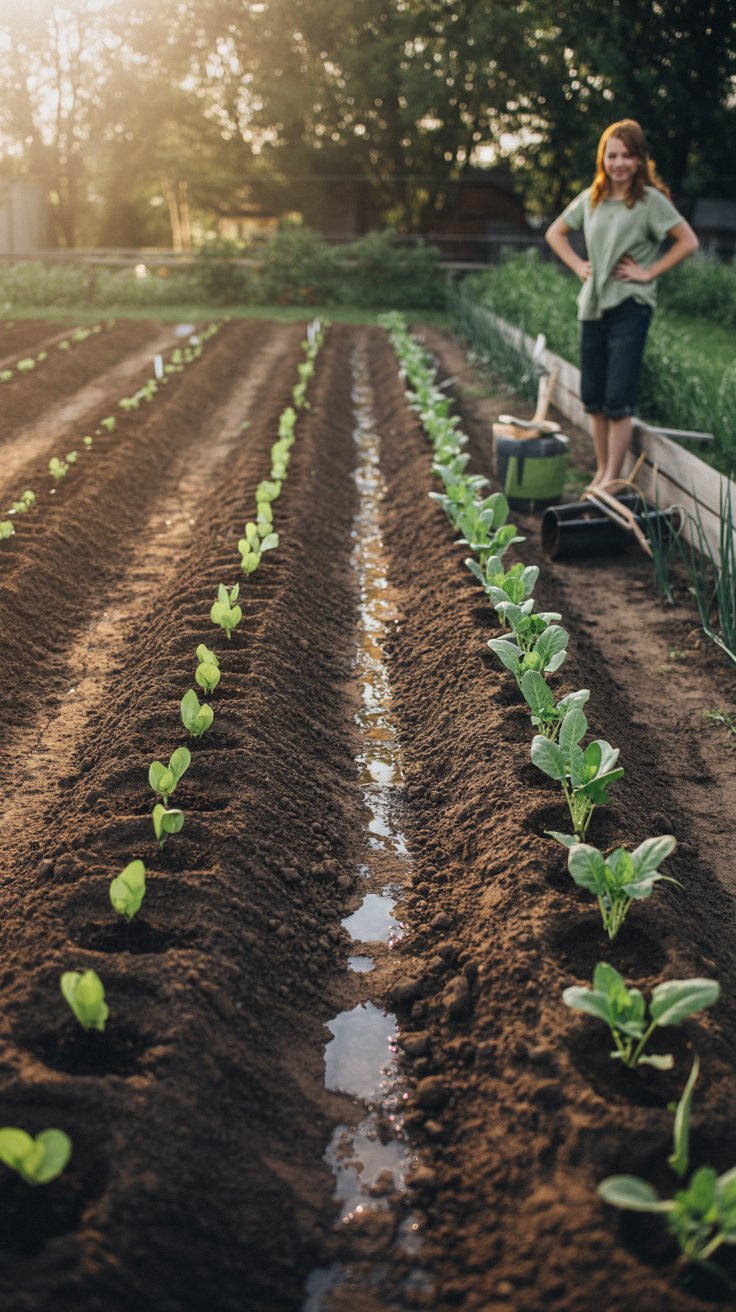
🌱 Step 1: Decide How You Want to Start Your Plants
Before you start planting, take a minute to decide if you are going to grow from seeds or use young plants. Both options work really well; it just depends on how much time you want to invest and how quickly you want to see results.
➤ Seeds are more budget-friendly and give you more variety
➤ Young plants are easier to start with and grow faster
➤ A mix of both is usually the easiest and most realistic option
If you are feeling unsure, start with plants for things like tomatoes and peppers, and try seeds for faster growers like lettuce or beans. It keeps things simple but still gives you that full gardening experience.
🌼 Step 2: Plant with Proper Spacing
This is the step where most people get a little impatient, and I get it because everything looks so small at the beginning. But giving your plants enough space is one of the best things you can do for them.
➤ Follow the spacing directions on your seed packets or plant labels
➤ Make sure each plant has room to spread out as it grows
➤ Good spacing allows sunlight and airflow to reach every plant
When plants are too close together, they end up competing for everything, and that usually means smaller harvests. Giving them space now means stronger plants and way better results later.
💧 Step 3: Water Everything In Properly
Once everything is planted, this is your moment to really settle things in. A good, deep watering helps the soil wrap around the roots and removes any air pockets that can slow down growth.
➤ Water slowly at the base of each plant so it soaks in properly
➤ Make sure the soil is evenly moist, not just wet on top
➤ Take your time here; this step really helps your plants adjust
Think of this like helping your plants get comfortable in their new space. A strong start here makes everything easier going forward.
🌱 Step 4: Give Your Garden a Simple Routine
After planting, you do not need to hover over your garden or constantly be doing something. This is where you start building a simple rhythm that works for you and your space.
➤ Check your soil every day or two and water when it starts to dry out
➤ Pull weeds early before they have a chance to take over
➤ Keep an eye on your plants so you notice changes as they grow
This part becomes really natural over time. You will start to notice what your garden needs without even thinking about it, and that is when it starts to feel easy and enjoyable instead of overwhelming.
🌿 How You Can Care for Your Vegetables So They Keep Producing
Alright, this is where your garden really starts to feel like part of your everyday life. Once everything is planted, it is not about doing a ton of work, it is about staying consistent with a few simple things that keep your plants happy and growing.
And honestly, this is the part where you start to notice the little changes. New leaves popping up, plants getting bigger, and eventually those first vegetables showing up. It is such a good feeling, and it all comes down to just checking in and giving your garden what it needs.
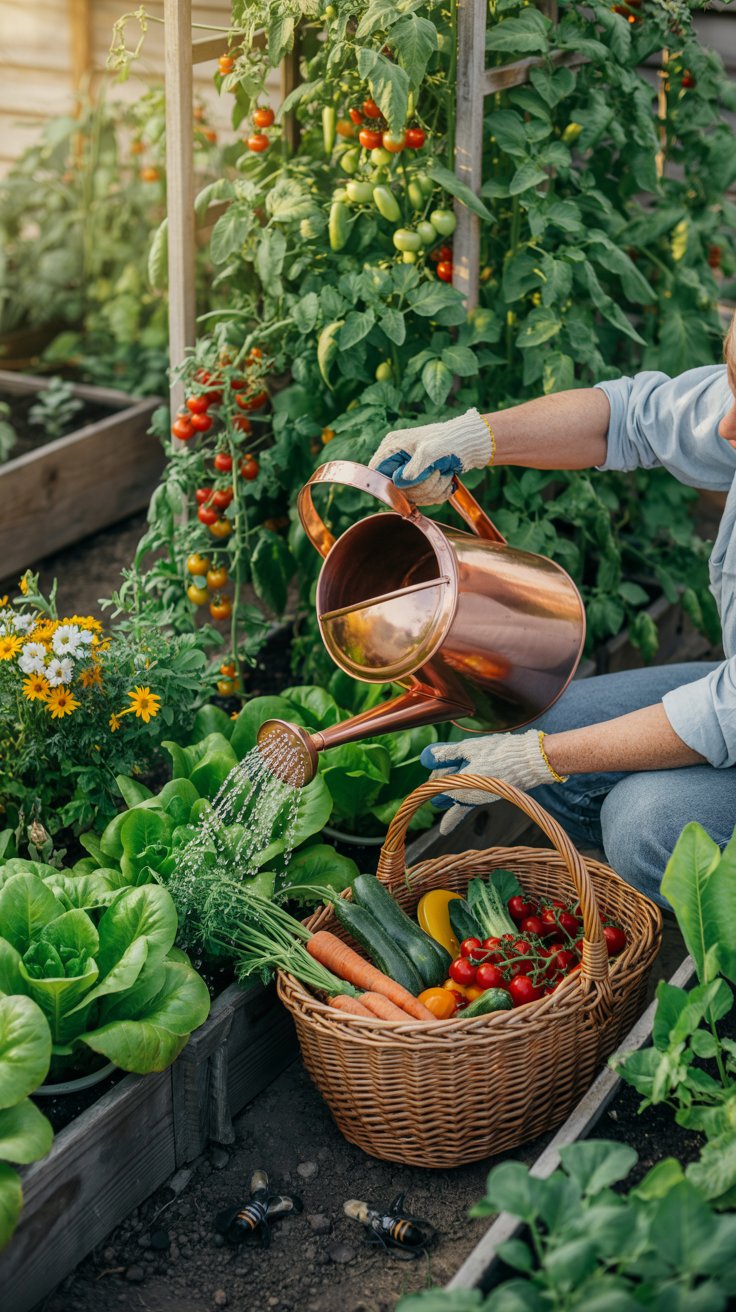
💧 Water Your Garden the Right Way
Watering sounds simple, but this is one of the biggest things that will affect how your garden grows. Too little and your plants struggle, too much and you can run into root problems. You are just aiming for that nice middle ground.
➤ Water deeply so it reaches the roots, not just the surface
➤ Stick your finger in the soil to check if it is dry before watering
➤ Try to water in the morning so plants have time to soak it in
Once you get used to it, you will start to feel when your garden needs water without even thinking about it.
🌱 Stay on Top of Weeds Early
I know weeding is not the fun part, but catching them early makes your life so much easier. When weeds are small, they come out quickly and do not cause much trouble.
➤ Pull weeds when they are small and easy to remove
➤ Try to get the roots so they do not grow right back
➤ Check your garden regularly so they do not pile up on you
Think of it like a quick tidy up instead of a big job later.
🌿 Support Your Plants as They Grow
Some of your vegetables are going to need a little help as they get bigger, especially things like tomatoes or anything that climbs.
➤ Use stakes, cages, or supports for taller plants
➤ Tie plants loosely so they are supported but not restricted
➤ Check them as they grow so they do not fall over or break
This keeps your plants healthier and also makes harvesting so much easier.
🥕 Harvest Regularly to Keep Things Growing
This is something a lot of people do not realize at first, but harvesting is actually part of caring for your garden. The more you pick, the more your plants will produce.
➤ Pick vegetables as soon as they are ready
➤ Do not let things sit too long on the plant
➤ Regular harvesting encourages more growth
It feels a little strange at first, but your garden really does give more the more you use it.
🧺 How You Can Harvest and Use Your Vegetables
This is the part where everything starts to feel worth it. After all the planting, watering, and checking in on your garden, you finally get to bring that food into your kitchen. And honestly, there is nothing like cooking with vegetables you just picked yourself.
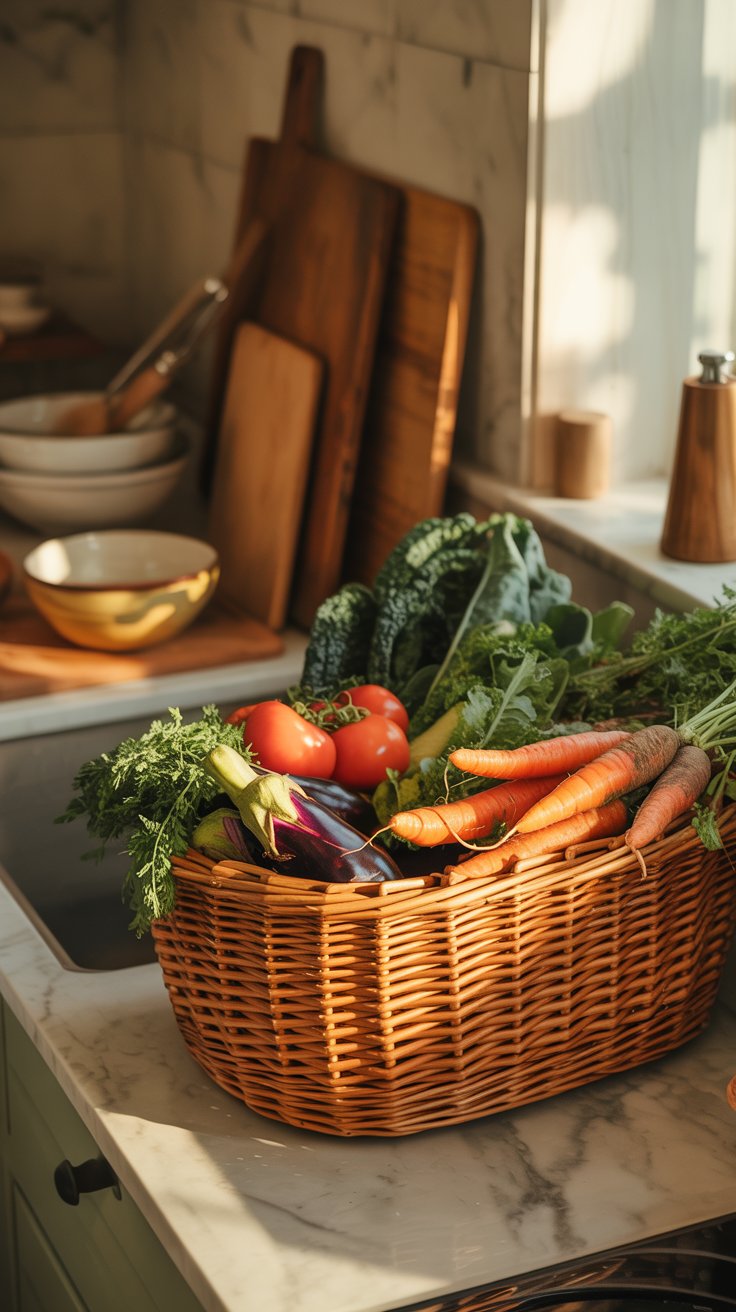
🥕 Harvest at the Right Time
Picking your vegetables at the right time makes a big difference in both taste and how much your plant will keep producing. If you wait too long, some vegetables can become tough or stop producing as much.
➤ Pick vegetables when they are fully grown but still tender
➤ Check your plants often so you do not miss the right time
➤ When in doubt, pick a little earlier rather than too late
You will start to learn pretty quickly what “ready” looks like for each plant.
🌱 Harvest Often to Keep Plants Producing
Just like we talked about before, harvesting is part of the process, not the end of it. The more you pick, the more your plants will keep growing.
➤ Regular picking encourages new growth
➤ Do not let vegetables sit too long on the plant
➤ Stay consistent so your garden keeps producing
It might feel like you are taking a lot, but your garden is built to give.
🍅 Bring Your Harvest Straight Into Your Kitchen
This is honestly the best part. You get to walk from your garden straight into your kitchen with fresh food in your hands. It makes cooking feel completely different.
➤ Rinse and use your vegetables right away for the best flavor
➤ Store extras properly so nothing goes to waste
➤ Build meals around what your garden is producing
You will start to notice your meals changing with the seasons, and it just feels more natural.
🌻 Common Mistakes You Want to Avoid in Your Vegetable Garden
When you are growing your own vegetables, there are a few mistakes that almost everyone makes at the beginning, and honestly, that is just part of learning. The goal is not to get everything perfect, it is just to avoid the things that can really slow your garden down or make it feel harder than it needs to be. Most of these are small, simple things that are easy to fix once you know what to look for. And once you get the hang of it, your garden really does start to feel easier and more natural. Think of this as saving yourself a little time, effort, and frustration along the way.
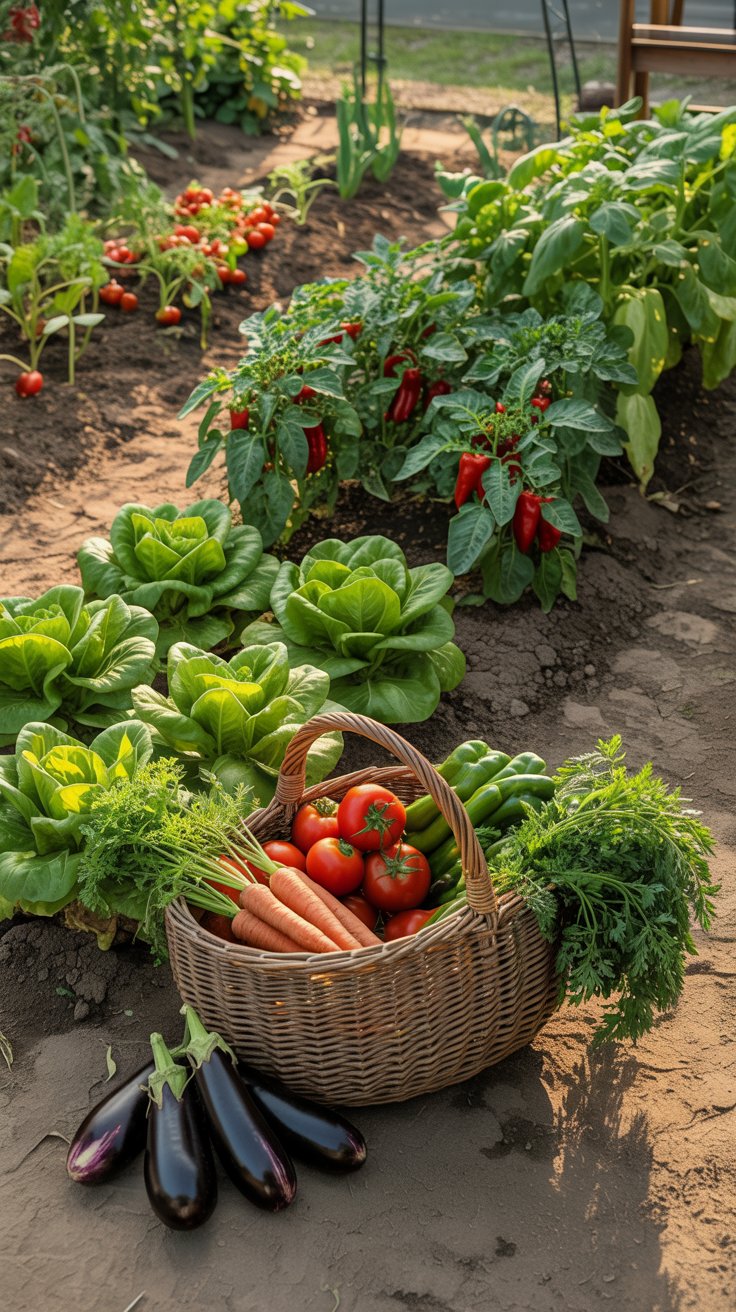
➤ Planting Too Much at Once
It is so easy to get excited and plant a little bit of everything, especially when you are just starting out. But when you plant too much, it can quickly become overwhelming to keep up with everything. You end up with more watering, more weeding, and sometimes more food than you can even use at once. Starting smaller gives you a chance to learn what works in your space without feeling stretched. You can always add more as you go, and that usually leads to a much better experience.
➤ Not Giving Plants Enough Space
I know it feels strange to leave empty space in your garden, but your plants are going to grow a lot more than you expect. When they are too close together, they start competing for sunlight, water, and nutrients. This can lead to weaker plants and smaller harvests overall. You might also notice more issues with airflow, which can cause disease or mildew. Giving your plants room from the beginning makes everything grow stronger and keeps your garden easier to manage.
➤ Inconsistent Watering
This one is a big one, and it can really affect how your garden performs. Letting your soil dry out too much and then overwatering to catch up can stress your plants. What you want instead is steady, even moisture so your vegetables can grow without that constant back and forth. Checking your soil regularly instead of guessing helps a lot here. Once you get into a rhythm, your plants will respond with healthier growth and better harvests.
➤ Ignoring Soil Health
It is easy to focus on what is growing above the ground and forget about what is happening underneath. But your soil is what supports everything in your garden. If it is lacking nutrients, your plants will struggle no matter what you do. Adding compost and taking care of your soil over time makes a huge difference. Healthy soil leads to stronger plants, better yields, and a garden that feels easier to manage season after season.
➤ Waiting Too Long to Harvest
It can be tempting to leave your vegetables a little longer so they get bigger, but waiting too long can actually work against you. Some vegetables become tough, lose flavor, or stop producing when they are left on the plant too long. Regular harvesting keeps your plants active and encourages them to keep producing. It also means you are enjoying your food at its best. When something looks ready, it usually is, so go ahead and pick it.
🌿 From Garden to Table: Growing Food You Will Be Proud Of
By now, you have everything you need to start your own vegetable garden and actually enjoy the process along the way. And the best part is, this does not have to be complicated or perfect to work. It just takes a little intention, a bit of consistency, and a willingness to learn as you go.
As your garden starts to grow, you will notice how quickly it becomes part of your everyday routine. Stepping outside to check on things, picking what is ready, and bringing fresh food into your kitchen starts to feel natural. It is not just about growing vegetables anymore, it is about creating something that supports your home in a really simple and meaningful way.
Start small, give your plants what they need, and do not overthink it. You will figure things out as you go, and honestly, that is part of what makes it so enjoyable. Before you know it, you will be walking out to your garden, basket in hand, and bringing in food you grew yourself.
And there is nothing better than that feeling 🌿🥕✨
