
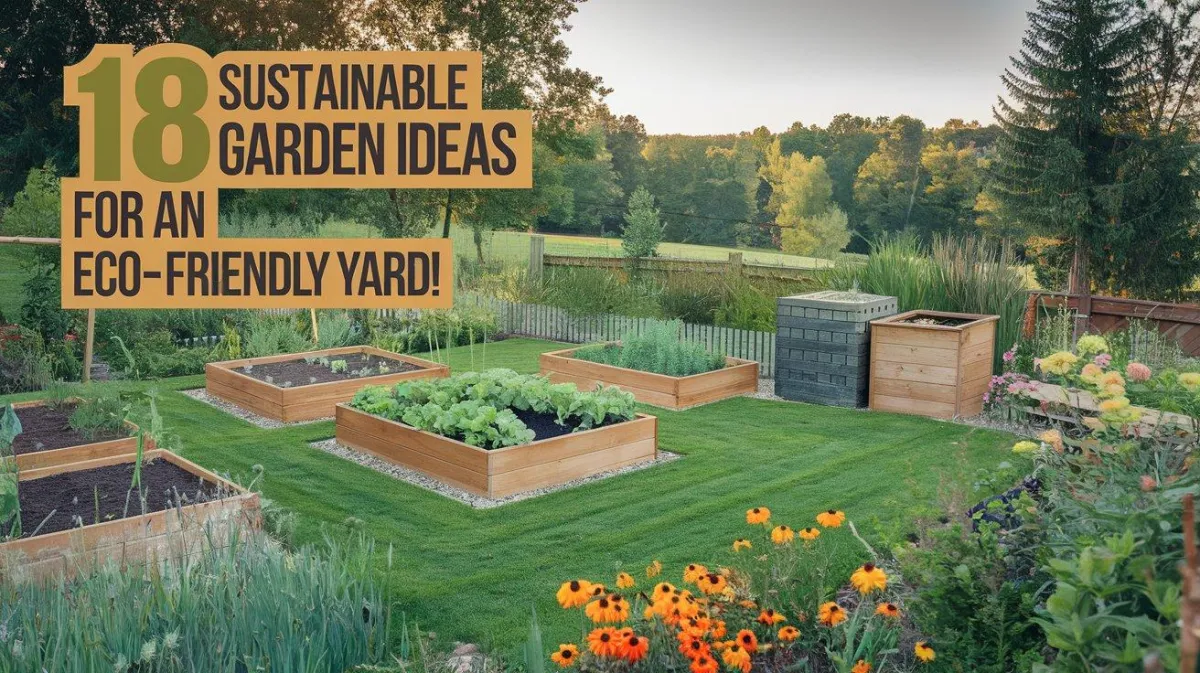
18 Sustainable Garden Ideas for an Eco-Friendly Yard
I remember when I first started gardening, I had no idea how much my practices could impact the planet. I was just happy to see my plants grow. But over the years, as I learned more about sustainability, I realized that gardening could be so much more than just a hobby—it could be an eco-friendly lifestyle. I transitioned from using harmful pesticides and chemical fertilizers to embracing zero-waste gardening and eco-conscious landscaping. Now, my garden isn’t just a place to relax and grow my own food; it’s a haven for pollinators, a resource for composting, and a space that reduces my environmental footprint.
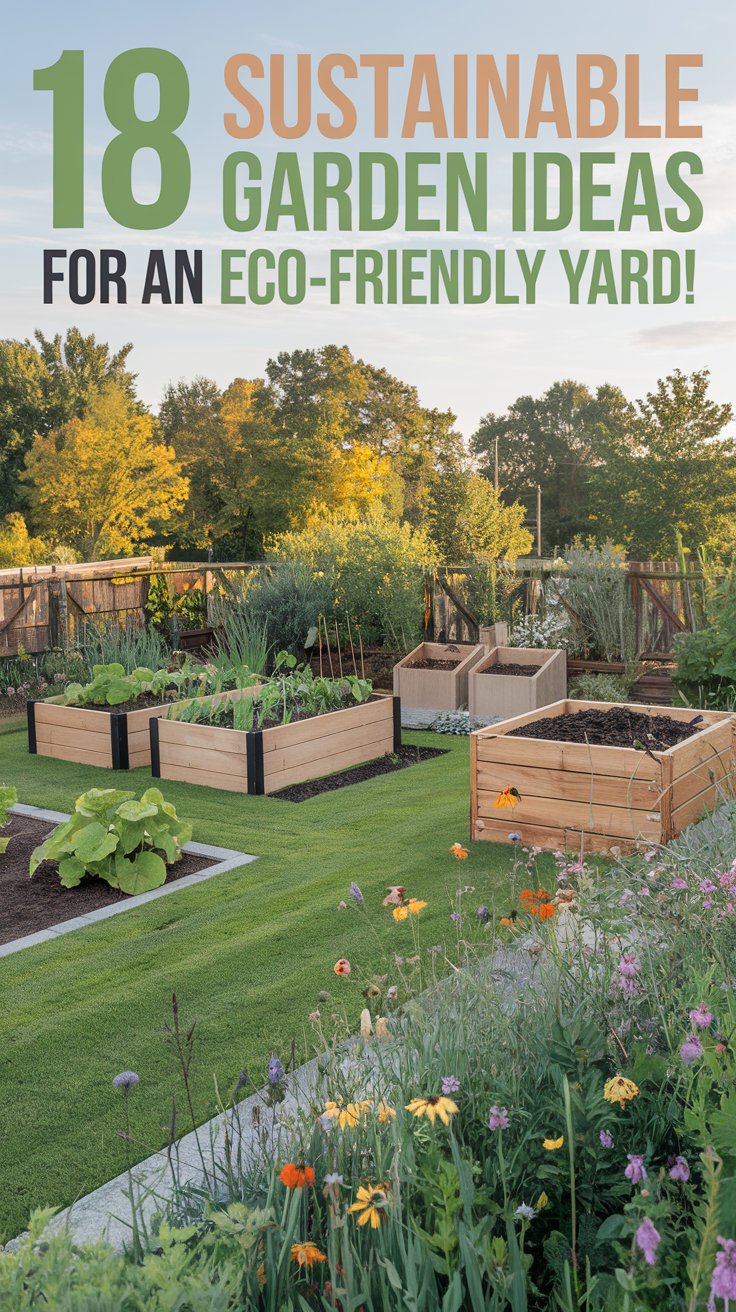
If you’re looking to create a garden that’s both beautiful and environmentally friendly, I’ve got you covered. In this post, I’ll share 18 sustainable garden ideas that you can implement to help you create an eco-friendly yard. Whether you're looking for green gardening tips, composting in gardens, or just want to reduce waste, these ideas will help you get started. Let’s dive in and transform your garden into a thriving, eco-conscious paradise!
1. Opt for Native Plants to Support Local Wildlife
When I first started building my sustainable garden, I learned that choosing native plants was one of the easiest ways to make a positive impact. Native plants are adapted to the local climate and soil, which means they require less water and care compared to non-native species. Not only do these plants thrive with minimal maintenance, but they also support local wildlife, providing food and shelter for bees, butterflies, and other beneficial insects.
This choice has been a game-changer for me because I no longer have to worry about over-watering or using pesticides. Native plants naturally repel pests and attract beneficial insects, reducing the need for harmful chemicals. If you're looking to start small, try planting a few native flowers or shrubs in your garden. Trust me, your local wildlife will thank you!
📷 Picture This: A vibrant patch of native wildflowers, grasses, and shrubs in full bloom, surrounded by buzzing bees and fluttering butterflies. The plants blend beautifully with the natural landscape, showing how native plants can create a thriving garden with minimal care and maximum environmental benefit.
2. Start Composting to Reduce Waste and Nourish Your Soil
Composting has been a game-changer for me, and it’s one of the easiest sustainable practices you can start in your garden. By composting kitchen scraps and yard waste, I’ve reduced my trash while enriching the soil. Composting adds nutrients back into the earth and helps retain moisture in the soil, which is especially useful during dry spells. Plus, it helps reduce methane emissions from landfills!
If you don’t have a lot of space, you can start with a small compost bin or even a worm composting system. It’s a fun, eco-friendly activity that benefits both your garden and the planet.
📷 Picture This: A compost bin surrounded by lush greenery, with food scraps like vegetable peels and coffee grounds inside. The scene conveys a sense of sustainability, as the composting process helps reduce waste and create nutrient-rich soil for the garden.
3. Create a Rain Garden to Manage Stormwater
One of my favorite additions to my garden has been a rain garden. Not only is it aesthetically pleasing, but it also helps manage stormwater runoff by capturing rainwater and allowing it to slowly seep into the ground. This prevents flooding and erosion while also creating a beautiful garden space with moisture-loving plants.
To create a rain garden, simply choose plants that thrive in wet conditions—like swamp milkweed or blue flag iris—and plant them in a low-lying area of your yard. Not only does this look great, but it also helps protect local waterways by preventing excess runoff from reaching storm drains.
📷 Picture This: A lush rain garden featuring native plants like wild irises and rushes, surrounded by decorative stones that guide the flow of water. The plants are thriving, soaking up excess rainwater while preventing runoff and creating a beautiful, eco-friendly feature.
4. Use Organic Mulch to Retain Moisture and Suppress Weeds
I used to struggle with weeds and dry soil in my garden until I discovered the magic of organic mulch. Mulch helps retain moisture, suppresses weeds, and improves soil quality as it decomposes. I love using shredded leaves, grass clippings, and wood chips—materials that are readily available and completely natural. Not only does mulch save me time and effort, but it also reduces the need for chemical weed killers.
📷 Picture This: A garden bed with a thick layer of organic mulch—shredded leaves and wood chips—covering the soil. The mulch looks neat, helps retain moisture, and protects the plants from the sun’s heat.
5. Choose Eco-Friendly Fertilizers for Healthier Plants
If you’re still using chemical fertilizers, it might be time to make the switch to something more eco-friendly. I love using organic fertilizers, like compost or fish emulsion, which nourish the soil without harming the environment. These fertilizers improve soil health and plant vitality over time. I also use worm castings in my garden, which are full of beneficial microbes and nutrients that help my plants grow strong.
I encourage you to avoid synthetic fertilizers, which can harm beneficial soil organisms and leach chemicals into the water supply.
📷 Picture This: A gardener applying organic fertilizer—such as compost or fish emulsion—around plants. The image shows a close-up of the rich, dark soil, emphasizing the benefits of natural fertilization for plant health and environmental protection.
6. Install a Drip Irrigation System to Conserve Water
One of the most effective ways to practice sustainable gardening is by conserving water, and that's where a drip irrigation system comes in. Unlike traditional sprinklers that waste water by spraying it over large areas, drip irrigation delivers water directly to the plant's roots, minimizing evaporation and runoff. Since installing my own drip irrigation system, I’ve noticed that my plants are healthier, and my water bill has gone down significantly. Plus, it ensures that each plant gets the right amount of water, which reduces stress on the plants and the environment.
If you're on a budget, you can even set up a DIY drip irrigation system with affordable materials from your local garden store. It's an easy yet powerful way to water efficiently, especially in dry climates.
📷 Picture This: A close-up of a drip irrigation system running through a vegetable garden, with water gently dripping at the base of each plant. The scene demonstrates how this system saves water and nourishes plants at their roots, creating a sustainable watering solution.
7. Grow Your Own Food with Raised Garden Beds
When I first embraced raised beds in my garden, I was amazed at how easy they made it to grow my own food sustainably. Raised beds improve soil drainage, provide better access for planting, and can be built using upcycled materials like old wood or bricks. These beds also create defined spaces in your garden, which makes them ideal for planting everything from herbs to vegetables.
Raised beds are perfect for urban or smaller spaces, including apartment balconies, and you can easily make them your own with your preferred design. Consider planting seasonal vegetables like tomatoes, lettuce, or carrots in the spring and fall for a year-round harvest.
📷 Picture This: A neat row of raised garden beds filled with vibrant green vegetables like lettuce, tomatoes, and spinach. The image highlights the ease and organization of growing food sustainably in a confined space.
8. Use Rain Barrels to Capture and Reuse Water
Capturing rainwater is another great way to make your garden more sustainable. Rain barrels collect rainwater from your gutters and store it for later use, meaning you can water your garden without relying on tap water. This is a game-changer, especially during the summer months when water usage increases.
Setting up a rain barrel is relatively simple and inexpensive, and it helps reduce water runoff, which can pollute local waterways. You can use the stored rainwater for watering plants or even washing your garden tools. If you're living in an apartment, there are compact, balcony-friendly rain barrels available that can collect rainwater even in smaller spaces.
📷 Picture This: A rain barrel placed near a downspout, with a small garden of flowers or vegetables beside it. The rain barrel is collecting water that will be used to nourish the plants, symbolizing how simple water conservation can benefit your garden and the planet.
9. Build a Wildlife Habitat to Support Biodiversity
By creating a space where wildlife can thrive, you’re not only improving your garden's eco-friendliness, you're also helping to preserve local biodiversity. Wildlife habitats can include things like birdhouses, bat boxes, and even small ponds. I’ve added a few birdbaths and bat houses to my garden, and it's been amazing to watch the local wildlife flourish. Plus, attracting pollinators and other wildlife is crucial for maintaining a healthy garden ecosystem.
You don’t need a large garden to do this—adding a small water feature, some native plants, or even a pile of logs for insects can make a big difference.
📷 Picture This: A birdhouse hanging on a tree in a lush garden, surrounded by flowers and plants. A couple of birds are perched nearby, emphasizing how a simple wildlife habitat can support local creatures and contribute to a sustainable garden.
10. Mulch with Leaves to Reduce Waste and Improve Soil Health
If you're like me, you probably end up with a lot of fallen leaves during the fall. Instead of raking them up and throwing them away, I use them as a natural mulch for my garden. Leaf mulch helps keep soil temperatures consistent, reduces weed growth, and adds organic matter to the soil as it breaks down. This is a sustainable solution that benefits both your garden and the planet, reducing waste while improving the quality of the soil.
If you don’t have enough leaves to mulch an entire garden, you can combine them with other organic matter, like grass clippings or straw. This also works well for garden beds, especially if you're growing vegetables or companion planting.
📷 Picture This: A lush garden bed covered in a thick layer of leaf mulch, surrounded by healthy plants. The scene emphasizes the environmental benefits of reusing fallen leaves to nourish soil and reduce waste.
11. Choose Solar-Powered Garden Lights for Low-Impact Illumination
I love lighting up my garden in the evening, but I wanted to do so without adding to my electricity bill. That’s when I discovered solar-powered garden lights. These eco-friendly lights harness the sun’s energy during the day and provide beautiful illumination at night. They’re perfect for pathways, garden features, or creating a relaxing ambiance in your garden.
You don’t have to worry about plugging them in or using up electricity, which makes them an energy-efficient and sustainable choice for your garden. Plus, they come in all sorts of designs, from decorative lanterns to sleek modern options.
📷 Picture This: A garden path lit up by solar-powered garden lights, casting a soft glow over plants and flowers. The solar lights are nestled among the foliage, adding a peaceful ambiance while showcasing an energy-efficient lighting option.
12. Upcycle Old Furniture Into Garden Planters
One of my favorite ways to keep my garden sustainable is by upcycling old furniture into unique planters. I’ve turned a vintage chair into a hanging planter, a rusty wheelbarrow into a flower bed, and an old dresser into a raised bed for vegetables. Not only does this give new life to unwanted items, but it also adds character and creativity to my garden. If you're living in a smaller space, this is a perfect way to maximize your planting areas while reducing waste.
If you have access to old furniture, try repurposing it into planters or garden features. You can easily plant herbs, flowers, or even vegetables in these repurposed pieces.
📷 Picture This: A rustic upcycled planter made from an old dresser, with vibrant flowers spilling out of the drawers. The scene highlights how upcycling furniture creates a unique, eco-friendly garden feature.
13. Avoid Synthetic Pesticides by Using Natural Pest Control
When I first started gardening, I didn't think twice about using chemical pesticides to keep my plants healthy. But I quickly learned that these products could harm beneficial insects, like bees, and contaminate the soil and water. Now, I prefer natural pest control methods to keep my garden eco-friendly and thriving.
For example, I use neem oil, insecticidal soap, and even introduce beneficial insects like ladybugs to eat aphids and other pests. You can also plant herbs like lavender and basil to repel pests naturally. These methods keep your garden chemical-free while ensuring a balanced ecosystem.
📷 Picture This: A close-up of a healthy garden with ladybugs crawling on plants, along with other natural pest control options like lavender and basil. The image conveys the idea of maintaining a healthy garden without synthetic pesticides.
14. Recycle Garden Waste with a Green Waste Bin
Recycling doesn’t have to stop in the kitchen. I’ve set up a green waste bin for my garden, where I collect plant clippings, grass trimmings, and other organic material that I can compost or reuse. Instead of tossing this waste in the trash, I turn it into something valuable for my garden. This reduces waste, keeps my garden tidy, and ultimately contributes to a zero-waste gardening lifestyle.
If you don't have space for a compost bin, a green waste bin can still be incredibly helpful for keeping your garden clean and reducing unnecessary trash. As a bonus, many composting facilities accept green waste if you're not able to compost it yourself.
📷 Picture This: A well-organized green waste bin surrounded by garden tools and a tidy yard. The bin is filled with organic material like grass clippings and plant trimmings, representing a sustainable and zero-waste approach to gardening.
15. Implement a Plant-Based Mulching System with Grass Clippings
When I have extra grass clippings from mowing the lawn, I recycle them by using them as mulch in my garden beds. Grass clippings act as an excellent natural mulch, providing nutrients to the soil as they break down. This helps retain moisture, suppress weeds, and reduce the need for synthetic fertilizers.
It’s a simple yet effective way to keep my garden eco-friendly while reducing waste. Just be sure not to pile the clippings too thick, as they can become matted and prevent water from penetrating. Instead, spread a thin, even layer around plants to keep the soil moist and healthy.
📷 Picture This: A garden bed with a fresh layer of grass clipping mulch, neatly spread around plants. The image shows how this simple step helps retain moisture and enrich the soil naturally.
16. Use Eco-Friendly Weed Control Methods
Weeds can be a persistent problem in the garden, but I’ve found that using eco-friendly weed control methods makes a world of difference. Rather than reaching for chemical herbicides, I use natural solutions like vinegar, boiling water, or even corn gluten meal to keep weeds in check. These alternatives are safer for your plants, pets, and the environment.
In addition to natural weed killers, using mulch or planting ground covers like clover or creeping thyme will naturally suppress weeds without the need for harsh chemicals.
📷 Picture This: A garden bed with healthy, thriving plants surrounded by a layer of eco-friendly mulch that keeps weeds at bay. The image highlights the natural weed control method that promotes a chemical-free garden.
17. Incorporate Edible Landscaping for a Practical, Beautiful Garden
Edible landscaping has become one of my favorite ways to make my garden both beautiful and functional. By growing edible plants—like fruit trees, herbs, and vegetables—alongside decorative flowers, I’ve created a sustainable garden that provides food while still being aesthetically pleasing. Companion planting plays a big role in this too, as certain plants help each other grow and thrive.
Incorporating edible plants into your garden also reduces your carbon footprint since you're growing your own food rather than purchasing it from the store. Whether it's herbs for balconies, vegetables for your backyard, or fruits from your trees, edible landscaping is a perfect way to create an eco-conscious and productive garden.
📷 Picture This: A beautifully landscaped garden with a mix of edible plants like strawberries, herbs, and fruit trees growing alongside ornamental flowers. The plants create a lush, productive space that is both sustainable and visually stunning.
18. Repurpose Old Containers as Garden Planters
Before I started consciously designing my sustainable garden, I often threw out old containers and pots. Now, I repurpose these materials by turning them into garden planters. Whether it's an old coffee can, a worn-out boot, or a cracked teacup, I love getting creative with what I have. Not only does this save money, but it also helps reduce waste by keeping these items out of landfills.
If you’re short on space or containers, consider repurposing small items into planters for your herbs for balconies or small garden spaces. This is a wonderful, eco-friendly way to grow plants without buying new pots.
📷 Picture This: A collection of upcycled planters made from everyday objects like teacups, old boots, and tin cans. These creative, eco-friendly containers are filled with vibrant plants, showing how sustainable gardening can also be artistic and fun.
Final Thoughts
I hope these ideas inspire you to create your own eco-friendly garden that supports both the environment and your well-being. Whether you’re composting, recycling, or planting native species, every little change you make helps contribute to a more sustainable future. Happy gardening!
