
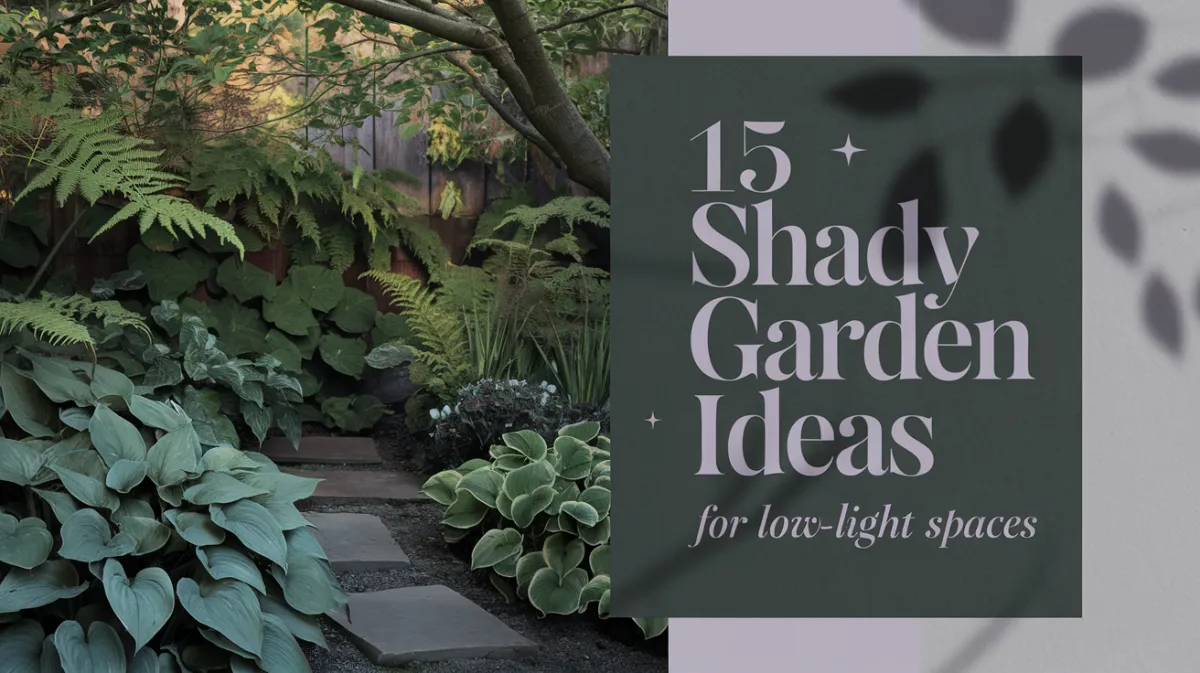
15 Shady Garden Ideas for Low-Light Spaces
As a homesteader, I’ve spent a lot of time learning how to make the most of every corner of my garden. But there was one problem I kept running into: some parts of my backyard just don’t get enough sunlight. It wasn’t until I started exploring shady garden ideas that I realized how much beauty and life you can bring to low-light spaces. Whether you’re dealing with a tree-shaded corner or the north side of your house, you can still create a thriving, peaceful retreat with the right plants and design.

In this post, I’ll be sharing 15 shady garden ideas that will help you transform those low-light areas into gorgeous, functional spaces. From shade-loving plants to backyard shade gardens, you’ll discover how to design a cool garden space that not only survives but flourishes in the shade. So, if you’re ready to make the most of your shady spots, let’s dive in!
1. Add Layers with Ferns and Hostas
When I think of a shaded garden, ferns and hostas are the first plants that come to mind. They’re perfect for low-light spaces and add a wonderful texture to your garden.
Ferns: Great for filling in the space with their feathery fronds. They thrive in moist, shaded areas and come in different sizes, adding variety to your garden.
Hostas: These shade-loving plants are known for their large, dramatic leaves and can come in many colors and patterns. They’re perfect for creating a lush look in shady spots.
📸 Picture This: A close-up of a garden corner filled with ferns and hostas, their vibrant leaves creating a rich, green texture in a shaded environment.
2. Create a Secret Garden with Climbing Vines
Climbing vines are perfect for shady spots because they can quickly cover fences or trellises without needing full sun. I love how they can transform a plain fence into a green wall.
Clematis: A climbing vine that thrives in partial shade, providing beautiful flowers in a range of colors.
English Ivy: Great for covering walls or the ground, and it grows well in the shade.
📸 Picture This: A trellis covered with lush climbing vines, with soft greenery filling the shaded space. The vines add a sense of privacy and tranquility.
3. Plant Shade-Tolerant Groundcovers
Groundcovers are a must for filling in empty spots and creating a carpet of green. They also help reduce weeds in low-light areas.
Creeping Jenny: This plant has bright green leaves and spreads quickly in the shade, creating a soft, ground-hugging layer.
Pachysandra: Ideal for deep shade, it grows low and spreads to form a beautiful, evergreen groundcover.
📸 Picture This: A garden path lined with vibrant groundcovers like creeping Jenny, providing a lush, green carpet beneath trees in a shaded area.
4. Use Shade-Tolerant Flowers for a Pop of Color
I’ve found that even in low-light spaces, you can still bring color with the right flowers. Some varieties tolerate partial shade and can bloom beautifully in shady gardens.
Astilbe: Produces delicate, feathery flowers in shades of pink, white, and red, perfect for brightening a shaded spot.
Bleeding Heart: Known for its unique heart-shaped blooms, this flower thrives in cool, shaded environments.
📸 Picture This: A shaded corner filled with blooming Astilbes and Bleeding Hearts, adding vibrant color to the otherwise green space.
5. Add a Water Feature for a Relaxing Ambiance
In my shady garden, I’ve added a small water feature like a fountain or pond to create a relaxing atmosphere. The gentle sound of water paired with the shade creates a peaceful retreat.
Small Fountain: Perfect for a shaded nook, adding the soothing sound of flowing water without requiring much space.
Pond: If you have the room, a small pond with shade-loving aquatic plants can create a serene focal point.
📸 Picture This: A small fountain nestled in a shady garden surrounded by lush foliage, creating a peaceful, serene atmosphere.
6. Design a Cozy Sitting Area
Sometimes, the best thing to do in a shady space is to sit and enjoy the peace. I’ve created a cozy sitting area surrounded by shade-loving plants where I can relax and unwind.
Bench or Swing: A comfortable bench or swing in the shade creates the perfect spot to enjoy your garden.
Throw Pillows and Cushions: Make your sitting area even more inviting by adding soft cushions to match your garden's vibe.
📸 Picture This: A cozy garden bench surrounded by lush ferns and flowering plants, offering a peaceful space to relax in the shade.
7. Add a Touch of Green with Evergreen Shrubs
For year-round greenery, evergreen shrubs are a must. These plants stay vibrant even in winter, making your shady garden look alive no matter the season.
Japanese Pieris: A beautiful evergreen shrub that thrives in partial shade, with red-tipped leaves and clusters of white flowers.
Boxwood: A low-maintenance shrub that keeps its color year-round, perfect for edging or creating small hedges.
📸 Picture This: Evergreen shrubs like Japanese Pieris and Boxwood line a shaded garden path, providing structure and year-round greenery.
8. Incorporate Mushrooms for a Whimsical Touch
I love adding a few mushroom varieties to my shady garden for a whimsical touch. They thrive in the cool, damp conditions of low-light spaces, and they add a bit of magic to the garden.
Mushrooms: There are many types of mushrooms that thrive in the shade, and adding some to your garden can create a charming woodland feel.
📸 Picture This: Small, delicate mushrooms growing in a shaded garden bed among ferns, hostas, and moss, giving a magical woodland atmosphere.
9. Use a Shade-Specific Garden Bed
For shady areas, creating a raised garden bed with a mix of shade-tolerant plants allows you to customize the soil and plant arrangements specifically for low-light conditions.
Raised Garden Bed: Perfect for building up soil and ensuring that shade-loving plants get the right drainage and conditions.
Soil Mix for Shade: Choose a soil mix designed for shady gardens, usually rich in organic matter to retain moisture without becoming soggy.
📸 Picture This: A raised garden bed filled with shade-tolerant plants like ferns, hostas, and Astilbe, nestled in a shady corner of the yard.
10. Build a Pergola to Create Dappled Light
A pergola can add both structure and a little light to your garden, creating a beautiful shaded spot to sit and enjoy the surroundings.
Pergola Design: Keep it simple with wooden beams and let climbing vines or flowers drape over it for additional shade.
Shade with Vines: As vines grow, they will fill in the structure, giving your garden a lush, cool atmosphere.
📸 Picture This: A wooden pergola partially covered with climbing vines, creating dappled light and shade over a seating area in the garden.
11. Experiment with Moss for Soft Ground Cover
Moss is perfect for low-light spaces because it thrives in shady, damp conditions. I’ve used moss as a ground cover to add softness and texture to my garden.
Moss: Great for creating a natural, soft carpet on the ground in shady areas or along garden paths.
📸 Picture This: A garden path lined with moss, giving it a soft, inviting look. The moss thrives in the shaded, cool environment, adding a natural, peaceful vibe.
12. Introduce Ornamental Grasses for Movement
Even in the shade, ornamental grasses can add movement and texture to your garden. These grasses are great for filling in gaps while maintaining interest.
Japanese Forest Grass: A low-growing grass that works wonderfully in shady gardens, adding a gentle flow to the space.
Hakonechloa: Another great ornamental grass for shade, with beautiful cascading blades that sway in the breeze.
📸 Picture This: Ornamental grasses like Japanese Forest Grass creating a gentle, flowing movement in a shaded garden bed.
13. Install a Shaded Pathway
Shaded pathways can guide you through your garden and make it feel like a secret retreat. Adding plants like ferns along the path creates a natural, calming atmosphere.
Stone Path: A simple stone path surrounded by shade-loving plants like hostas and ferns.
Wooden Planks: For a more rustic look, wooden planks can also make a great path in a shaded garden.
📸 Picture This: A winding garden path made of stones, lined with ferns and low-growing plants, leading through a shaded, tranquil garden.
14. Create Contrast with Dark-Colored Foliage
Dark-colored foliage can really stand out in a shady garden. I love mixing dark leaves with lighter greens for a dramatic effect.
Heuchera (Coral Bells): These plants have dark, dramatic foliage and come in various colors, from deep burgundy to black.
Purple Leafed Plants: Plants with purple or burgundy leaves create a stunning contrast against the green of other shade-loving plants.
📸 Picture This: Dark-leaved plants like Heuchera contrasting beautifully with lighter shades of green in a shady garden setting.
15. Add Natural Art with Tree Stumps or Logs
Tree stumps or logs can serve as rustic sculptures in your garden. I’ve found that they not only add character but also provide a home for moss or mushrooms to grow.
Tree Stumps: Use them as natural seating or just as a decorative piece in the garden.
Logs: Place logs on the ground to create natural, earthy paths or use them as planters for small shade-loving plants.
📸 Picture This: A tree stump in the center of a shaded garden, surrounded by ferns and moss, acting as a rustic focal point.
Bringing Life to Your Shady Garden
Transforming a low-light space into a lush, inviting garden is easier than you might think. With the right combination of shade-loving plants, thoughtful landscaping, and creative design elements, you can turn even the darkest corners of your yard into a beautiful and functional retreat. Whether you add layers of ferns and hostas, create a cozy sitting area, or introduce a peaceful water feature, there are endless ways to embrace the shade.
I’ve personally found that shaded gardens have a unique charm—a quiet, cool place to unwind, full of greenery and texture. If you’ve been struggling with a shady spot in your yard, I hope these ideas have inspired you to see its potential. So grab your gardening gloves, experiment with some of these shady garden ideas, and watch your low-light space transform into a peaceful, thriving oasis. Happy gardening! 🌿🌸
