
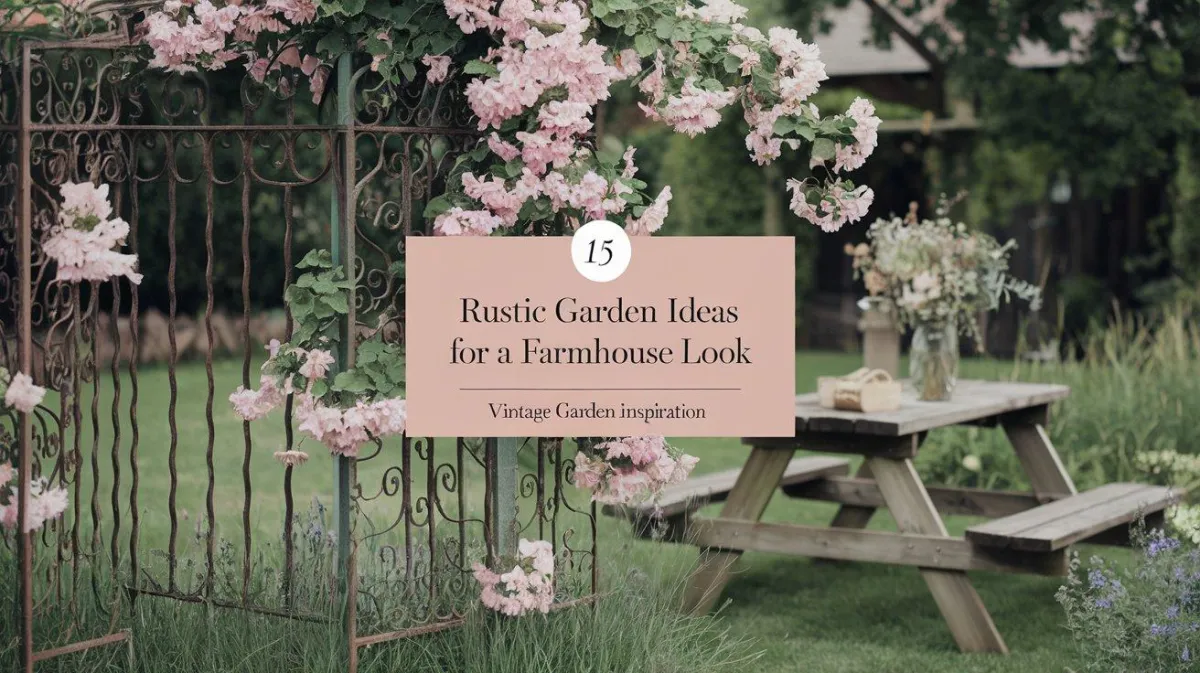
15 Rustic Garden Ideas for a Farmhouse Look
Just a heads up — this website includes affiliate links, and occasionally I receive products from brands to try out. As an Amazon Associate, I earn from qualifying purchases. Some content on this site was created with help from AI tools.
If you love the charm of an old farmhouse property, you already know how special a rustic garden can feel. A farmhouse-style garden has a way of looking relaxed, welcoming, and a little bit wild in the best possible way. Instead of perfectly trimmed landscaping, you’ll often see overflowing flowers, weathered wood, vintage pieces, and natural textures that make the space feel like it has been part of the land for years.
The good news is that creating this kind of garden does not require a large budget or professional landscaping skills. Many of the most beautiful rustic outdoor designs are built using simple materials, repurposed items, and plants that naturally thrive together. Old watering cans, wooden crates, metal buckets, and reclaimed boards can all become part of your farmhouse garden decor.
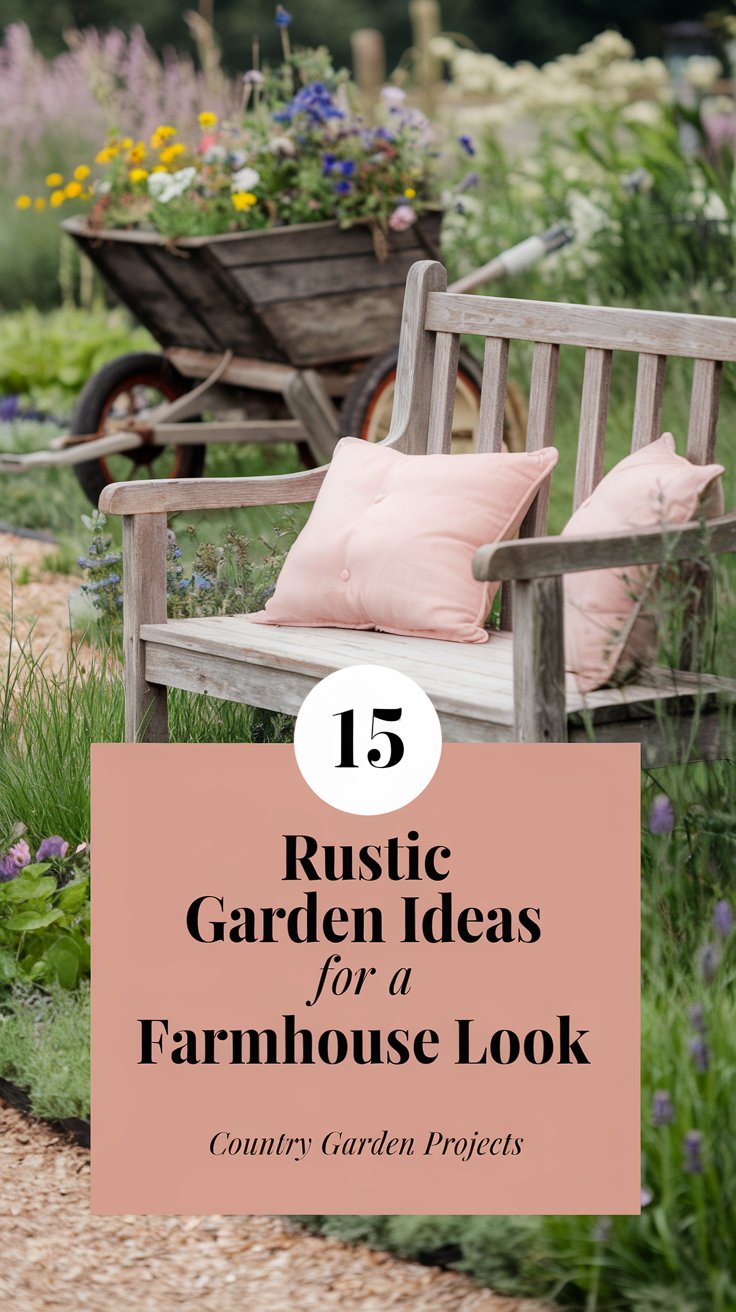
A rustic garden is also incredibly flexible. You can start small with a few vintage-inspired touches, then slowly add more character over time. Mixing flowers, herbs, vegetables, and decorative elements helps create the relaxed, charming garden style that farmhouse gardens are known for.
If you want to bring vintage garden inspiration into your own outdoor space, these rustic garden ideas will help you create a warm and welcoming farmhouse look without making the process complicated.
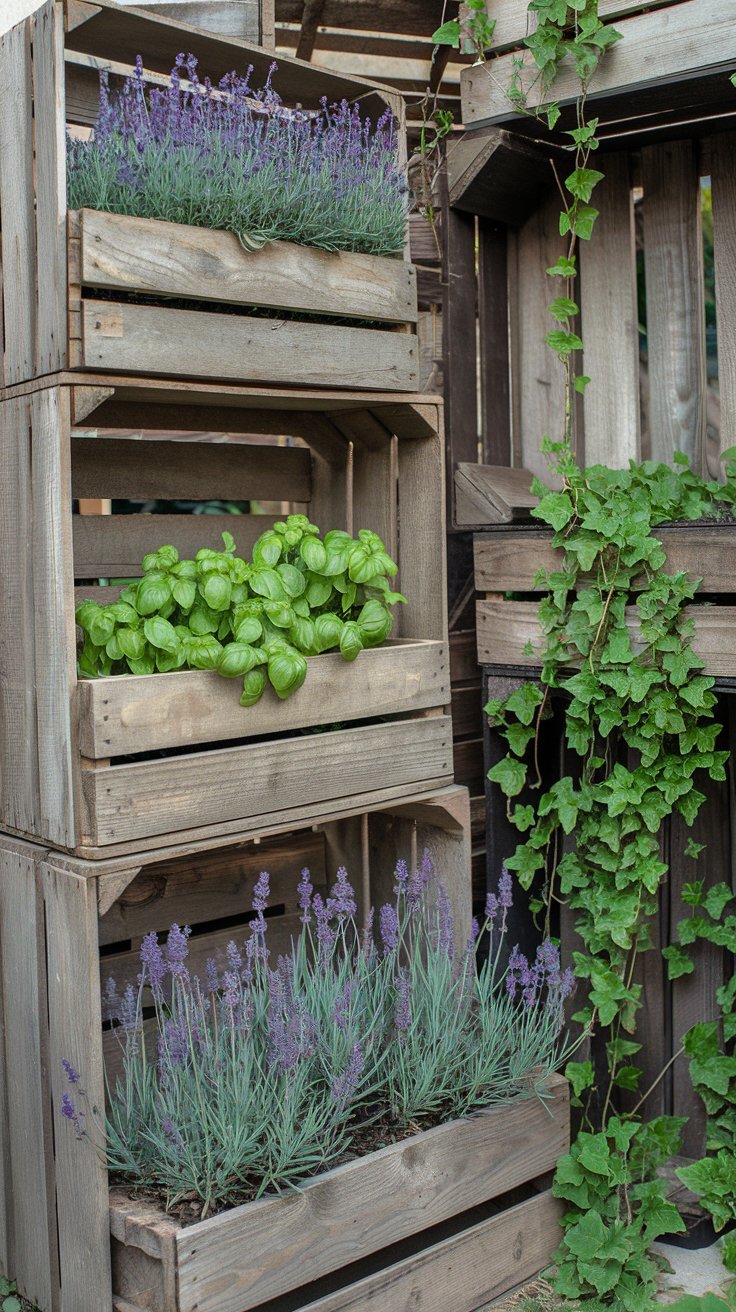
1. Use Weathered Wood Planters
Weathered wood can instantly give your garden that relaxed, farmhouse charm. Even a single planter with aged texture can make your outdoor space feel cozy, welcoming, and full of character.
You do not need a lot of money or fancy materials to create this look. Simple, repurposed wood or a few DIY touches can make your garden feel like it has been part of the land for generations.
The best part is that weathered wood works with almost any plant. Whether you fill it with wildflowers, herbs, or small vegetables, the natural texture of the wood adds warmth and interest while helping your plants feel right at home.
How to get the look:
✅ Repurpose old wooden crates, barrels, or dresser drawers
✅ Use wooden troughs for herbs or trailing plants
✅ Distress new wood with a vinegar + steel wool solution for a soft gray, weathered finish
✅ Build raised beds from reclaimed boards for a practical farmhouse touch
Planting tips:
🌸 Choose plants that spill over edges like trailing flowers, herbs, or ornamental grasses
🌸 Mix flowers and herbs for a relaxed, cottage-style vibe
🌸 Group several planters together to create depth and a natural layered look
Extra helpful tips:
✅ Rotate plants seasonally to keep the garden colorful year-round
✅ Add small decorative touches like vintage watering cans or old signs
✅ Make sure planters have proper drainage to prevent wood from rotting
🛒 Shopping List:
Wooden crates, barrels, or troughs
Reclaimed wood boards
Wildflowers, herbs, or trailing plants
Vinegar and steel wool (for distressing new wood)
Vintage watering cans or decorative signs
Weathered wood is easy to work with, budget-friendly, and gives your garden vintage farmhouse appeal without much effort. With a little creativity, you can turn simple materials into a garden full of character and charm. 🌸
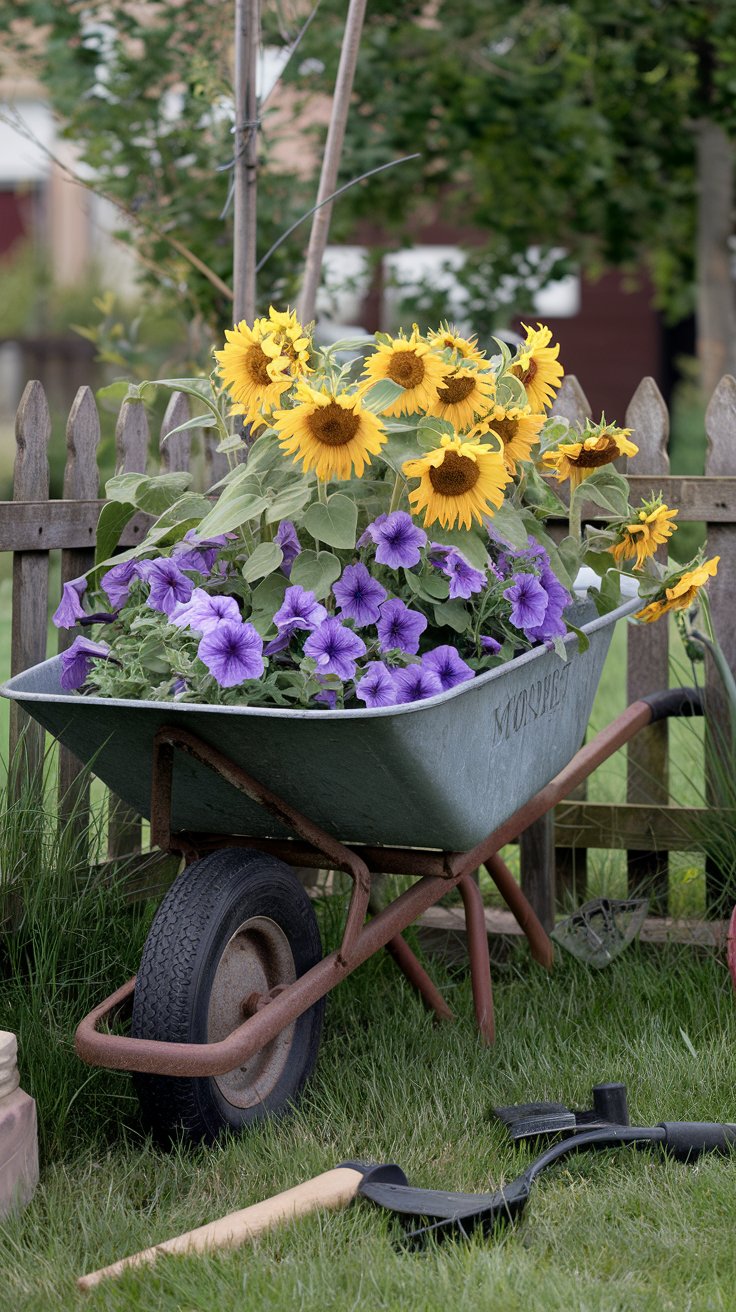
2. Incorporate a Vintage Wheelbarrow Planter
If you stumble across an old wheelbarrow at a yard sale, thrift store, or even tucked away in the barn, don’t pass it up! A vintage wheelbarrow can make a charming, rustic planter that brings instant farmhouse appeal to your garden. Whether it’s wooden or metal, the character in its worn paint, rust spots, or faded finish will make it feel like it belongs right in a country homestead.
How to get the look:
✅ Look for a wheelbarrow with character—chipped paint, rusted metal, or weathered wood adds authentic charm
✅ Drill drainage holes in the bottom to prevent soggy soil and keep your plants healthy
✅ Elevate it slightly on bricks or a small stand to help with drainage and give it a little extra presence in the garden
✅ Place it where it can be seen from a patio, porch, or pathway for a welcoming, eye-catching feature
Planting tips:
🌸 Fill it with seasonal flowers for a rotating display—petunias, daisies, geraniums, or marigolds all work beautifully
🌸 Mix in trailing plants like ivy or creeping Jenny to soften the edges and create a cascading effect
🌸 Combine herbs with flowers for a functional and pretty garden accent that smells as good as it looks
Extra helpful tips:
✅ Consider painting the handles or adding a small chalkboard sign with your favorite plant name for a personalized farmhouse touch
✅ Use it as a mobile garden—because it’s a wheelbarrow, you can move it around to follow the sun or show off blooms in different spots
✅ Don’t worry if it looks a little rough—that’s exactly the rustic charm you want
🛒 Shopping List:
Vintage or repurposed wheelbarrow
Soil or potting mix
Seasonal flowers and/or herbs
Trailing plants (ivy, creeping Jenny, or similar)
Optional chalkboard sign or paint for decoration
A wheelbarrow planter is a simple way to add whimsy and rustic charm to your garden. With just a few practical steps and a little creativity, it can become one of the coziest, most talked-about spots in your homestead garden. 🌼
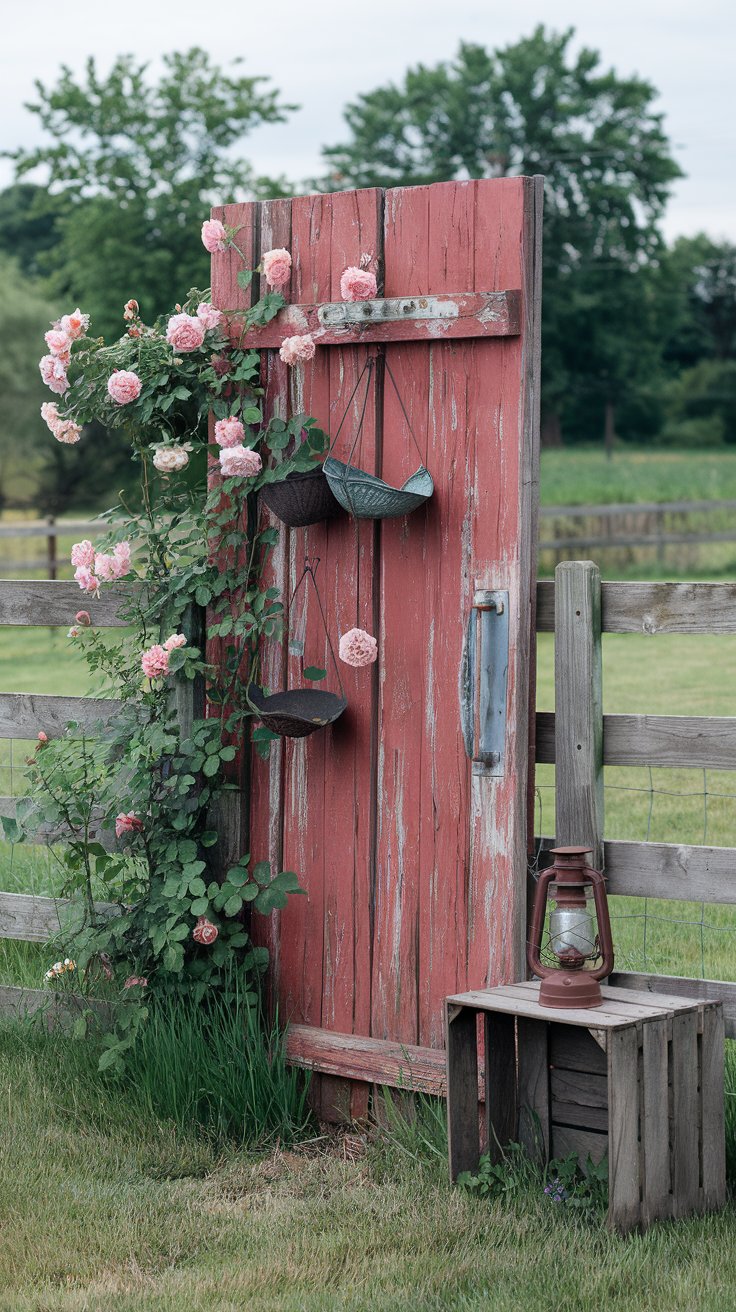
3. Add a Repurposed Barn Door as a Garden Backdrop
A salvaged barn door can transform a plain corner of your garden into a charming focal point full of rustic character. The weathered wood, faded paint, and vintage details bring a sense of history that instantly makes your space feel like part of a cozy homestead. It’s one of those pieces that looks effortless but adds major farmhouse charm.
You can lean it against a wall, prop it in a flower bed, or hang it as a feature piece—each option gives you a slightly different effect. Leaned doors create depth and act as a backdrop for your plants, while a hanging door adds vertical interest and makes room for creative displays.
The best part is that a barn door is versatile. You can let climbing plants wind up the wood, turn it into a vertical herb garden, or hang rustic decorations on it. It’s a practical piece that doubles as decor, adding height, texture, and personality to your garden without taking up much space.
How to use it in your garden:
✅ Lean it against a fence or wall to create a charming backdrop for plants and flowers
✅ Hang it vertically to act as a trellis for climbing plants like roses, ivy, or morning glories
✅ Attach small pots or shelves to make a vertical herb garden for fresh herbs right in your outdoor space
✅ Decorate it with rustic accents—lanterns, metal watering cans, or a grapevine wreath add extra vintage charm
Planting and styling tips:
🌸 Mix climbing flowers and herbs to soften the wood and create a living, growing piece of art
🌸 Place taller plants in front of the door to give it depth and make it feel integrated into the garden
🌸 Rotate seasonal flowers or small decor accents to keep the display fresh and inviting all year
Extra helpful tips:
✅ Check that the door is stable and won’t tip over—use bricks, stakes, or brackets for safety
✅ Sand down rough edges if needed, but keep some of the weathered texture for authentic farmhouse appeal
✅ Combine with other rustic elements like weathered wood planters or a vintage wheelbarrow for a cohesive look
🛒 Shopping List:
Salvaged barn door
Climbing plants or flowering vines
Small hanging pots or shelves
Rustic decor (lanterns, watering cans, wreaths)
Bricks, stakes, or brackets for stability
A barn door in the garden is a versatile and eye-catching feature that adds both height and charm. With a little creativity, it can become a centerpiece that draws the eye and enhances the cozy, lived-in farmhouse vibe of your outdoor space. 🌿
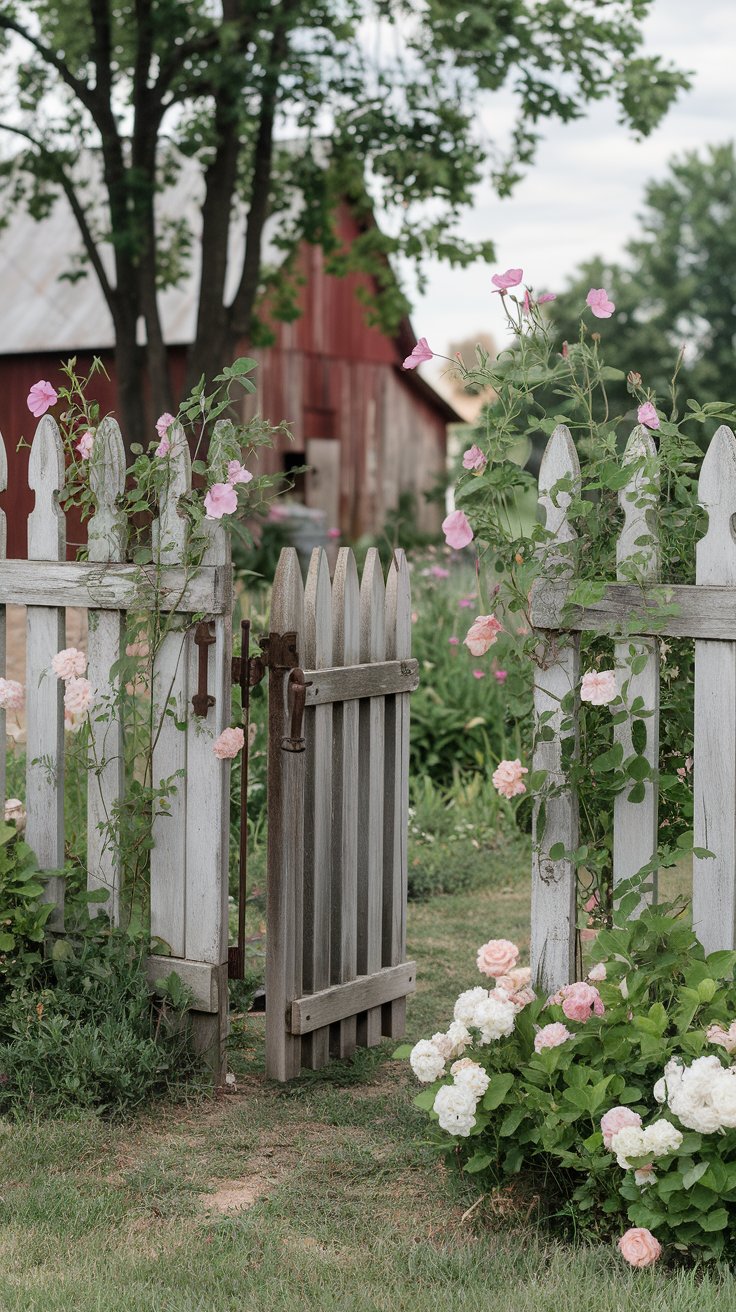
4. Build a Rustic Picket Fence
Nothing says charming farmhouse garden like a classic picket fence. Whether you go for crisp white paint or let the wood weather naturally, a picket fence creates a welcoming border while keeping your garden in harmony with the surrounding landscape. It’s one of those simple touches that instantly makes your garden feel cozy and put-together, like a homestead that’s been cared for for generations.
A rustic picket fence isn’t just decorative—it can also guide visitors, protect delicate plants, and create cozy little garden “rooms” for flowers, veggies, or herbs. With a few thoughtful touches, it becomes both practical and beautiful.
How to get the look:
✅ Use reclaimed wood or untreated cedar for a naturally aged, rustic appearance
✅ Paint it white, cream, or let it weather for a timeless farmhouse vibe
✅ Add a small rustic gate or arched entryway for extra charm
✅ Place your fence around flower beds, vegetable gardens, or along pathways to create structure
Planting tips:
🌸 Let climbing vines or flowers like morning glories, clematis, or sweet peas grow along the fence for a whimsical cottage-style effect
🌸 Mix tall flowers with trailing vines to create depth and softness
🌸 Consider adding potted plants at the base of fence posts for a layered look
Extra helpful tips:
✅ Measure your space carefully before building to ensure proper spacing and balance
✅ Use weather-resistant screws or nails to help the fence last through the seasons
✅ Keep the rustic charm—don’t over-sand or over-paint; a little imperfection adds character
🛒 Shopping List:
Reclaimed wood or untreated cedar boards
Weather-resistant screws or nails
Rustic gate or arch (optional)
Climbing vines or flowers
Potted plants for decoration
A picket fence is more than just a boundary—it’s a charming framework that makes your garden feel cozy, organized, and full of character. With climbing plants and a touch of rustic charm, it becomes a welcoming feature that invites everyone to explore your homestead garden. 🌿
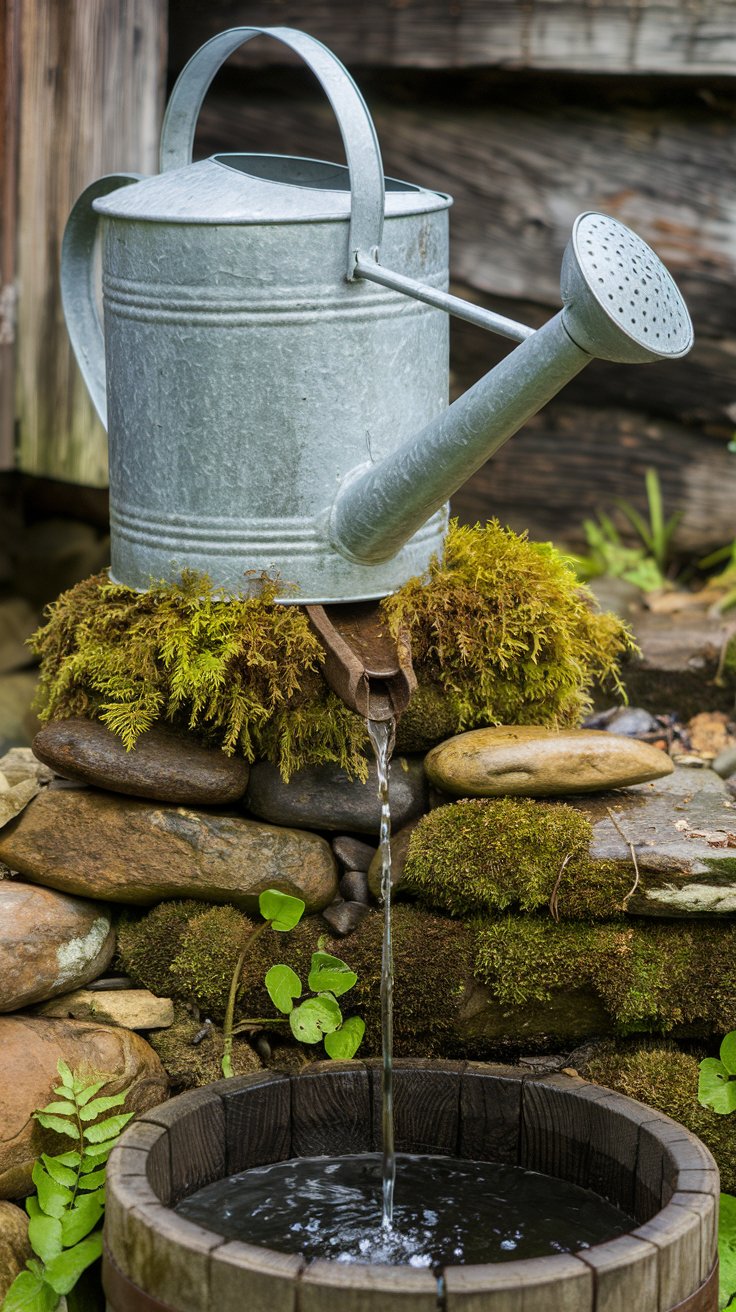
5. Add a Repurposed Watering Can Fountain
Turn an old metal watering can into a miniature garden fountain for a touch of vintage charm and the soothing sound of trickling water. It’s a simple DIY project that creates a relaxing focal point in your farmhouse garden and adds a little magic to your outdoor space.
Whether tucked into a flower bed or sitting on a rustic stone pedestal, a watering can fountain brings movement, sound, and character. It’s a piece that feels handmade, cozy, and right at home in a homestead setting.
How to get the look:
✅ Use a metal watering can with a long spout for an authentic rustic feel
✅ Add a small recirculating water pump to create a continuous flow of water
✅ Place the fountain on a flat surface or slightly elevate it on stones for better visibility
✅ Position it near plants or flowers to blend it naturally into the garden
Planting and styling tips:
🌸 Surround the fountain with river stones, ferns, moss, or small flowers for a natural, woodland-inspired look
🌸 Mix taller plants behind the fountain to create depth and frame it as a feature
🌸 Add a few tiny decorative touches, like a miniature bird or rustic sign, to enhance the vintage vibe
Extra helpful tips:
✅ Make sure the pump is suitable for outdoor use and easy to clean
✅ Keep water topped up to maintain a gentle trickle throughout the day
✅ Let the watering can show its age—small rust spots or faded paint add character
🛒 Shopping List:
Metal watering can with long spout
Small recirculating water pump
River stones, ferns, moss, or small flowers
Rustic pedestal or flat surface for elevation (optional)
Decorative accents like miniature birds or signs (optional)
A watering can fountain is a simple way to add sound, movement, and charm to your garden. With a little creativity, you can turn a common object into a standout feature that brings farmhouse magic to your outdoor space. 🌿
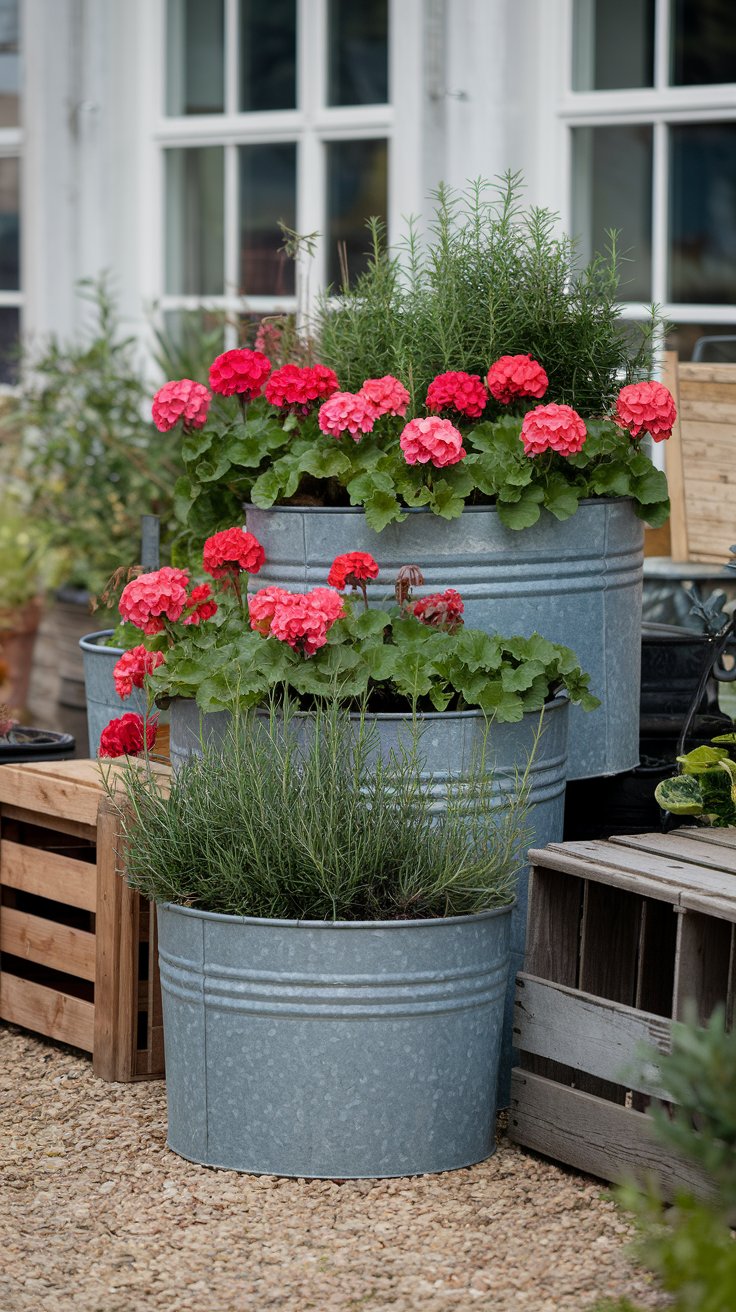
6. Use Galvanized Tubs as Planters
Galvanized metal tubs are a classic farmhouse garden staple. They instantly add rustic charm and a vintage touch to any outdoor space. Whether you plant flowers, vegetables, or even create a tiny water garden, these tubs are versatile, durable, and full of character.
You can find them at thrift stores, flea markets, or even tucked away in the barn. Their weathered metal finish blends beautifully with flowers, herbs, and greenery, giving your garden a cozy, homestead feel without a lot of effort.
How to get the look:
✅ Drill drainage holes in the bottom before adding soil to keep plants healthy
✅ Mix flowers and herbs for a relaxed, cottage-style aesthetic
✅ Group tubs of different sizes together for a layered, eye-catching display
✅ Elevate smaller tubs on bricks or wooden crates for added dimension
Planting tips:
🌸 Fill larger tubs with tall flowers or small shrubs for height
🌸 Use trailing herbs or flowers like thyme, oregano, or ivy to soften the edges
🌸 Rotate seasonal blooms to keep your display vibrant all year
Extra helpful tips:
✅ Consider lining the tubs with a bit of landscape fabric to prevent soil loss
✅ Let the tubs age naturally for more character—slight rust spots only add charm
✅ Place tubs in high-traffic areas, near a porch or pathway, to create welcoming focal points
🛒 Shopping List:
Galvanized metal tubs in various sizes
Soil or potting mix
Flowers, herbs, or small shrubs
Bricks or wooden crates for elevation (optional)
Landscape fabric for lining (optional)
Galvanized tubs are budget-friendly, versatile, and endlessly charming. With a few practical steps, you can turn these simple containers into standout features that bring farmhouse warmth and character to your garden. 🌿
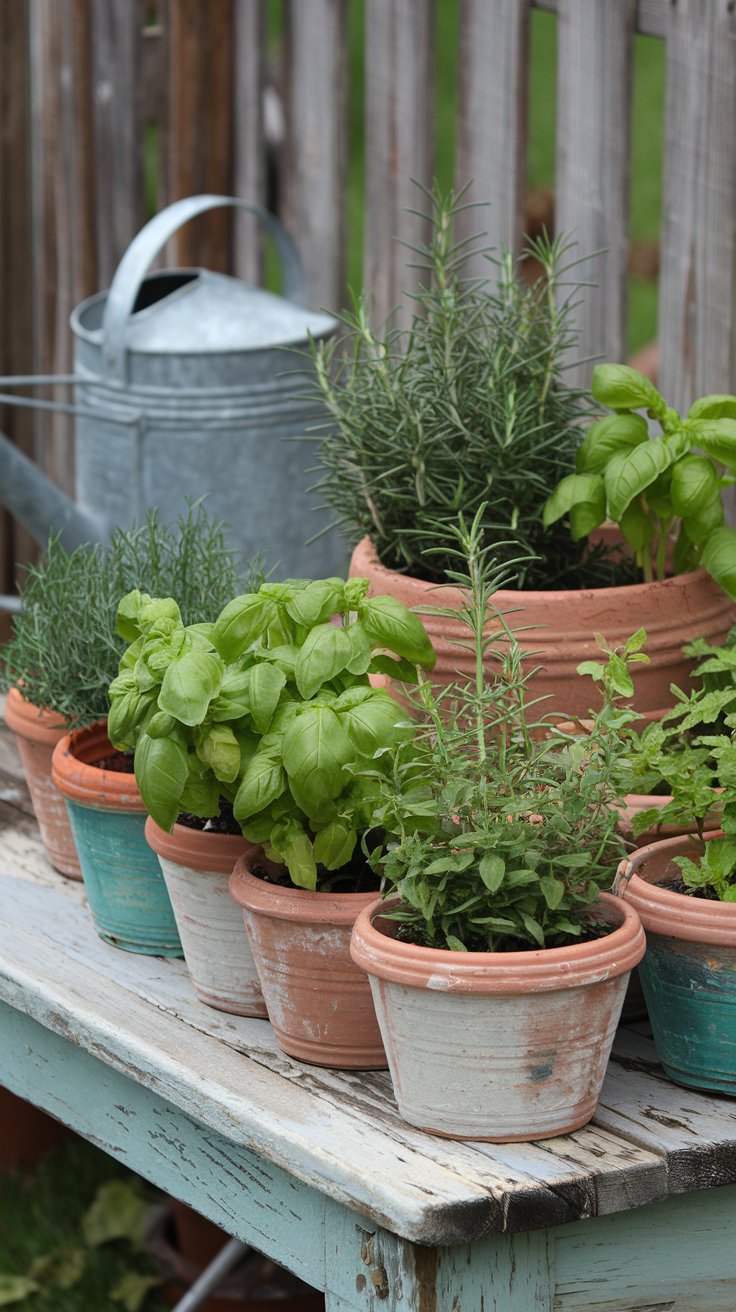
7. Create a DIY Herb Garden
Nothing beats walking out to your garden and snipping fresh herbs right when you need them. A herb garden is not just beautiful. It’s practical, flavorful, and downright satisfying. Imagine adding rosemary to your roast or thyme to a fresh garden salad, all grown right outside your back door. Herbs like basil, rosemary, thyme, and mint bring life, texture, and fragrance to your farmhouse garden, and they make your outdoor space feel truly alive.
Even if you’re tight on space, a small herb garden can pack a big punch. With a little creativity, you can grow a thriving little patch that is as charming as it is useful.
How to get the look:
✅ Plant herbs in terracotta pots for a rustic, timeless farmhouse vibe
✅ Create a vertical herb garden using an old wooden pallet, ladder, or repurposed crates
✅ Group herbs together to showcase different textures. Lavender, sage, and thyme look lovely alongside vibrant basil and parsley
✅ Mix in trailing herbs like oregano or creeping thyme to soften edges and add dimension
Planting tips:
🌸 Keep herbs close to your kitchen for easy snipping while cooking
🌸 Make sure sun-loving herbs like basil and rosemary get plenty of light
🌸 Water consistently, but don’t overdo it. Most herbs prefer slightly drier soil
Extra helpful tips:
✅ Rotate containers or pots to follow the sun and keep growth even
✅ Mulch the soil lightly to retain moisture and keep roots cool
✅ Trim frequently. Herbs grow stronger and bushier when snipped regularly
🛒 Shopping List:
Terracotta pots or small containers
Wooden pallet, ladder, or repurposed crates for vertical planting
Variety of herbs: basil, rosemary, thyme, mint, oregano, lavender, sage, parsley
Potting soil
Mulch (optional)
A DIY herb garden is one of the easiest ways to add function, beauty, and that cozy farmhouse feeling to your garden. With fresh herbs at your fingertips, you will be cooking, crafting, and enjoying your homestead garden like a pro. 🌸
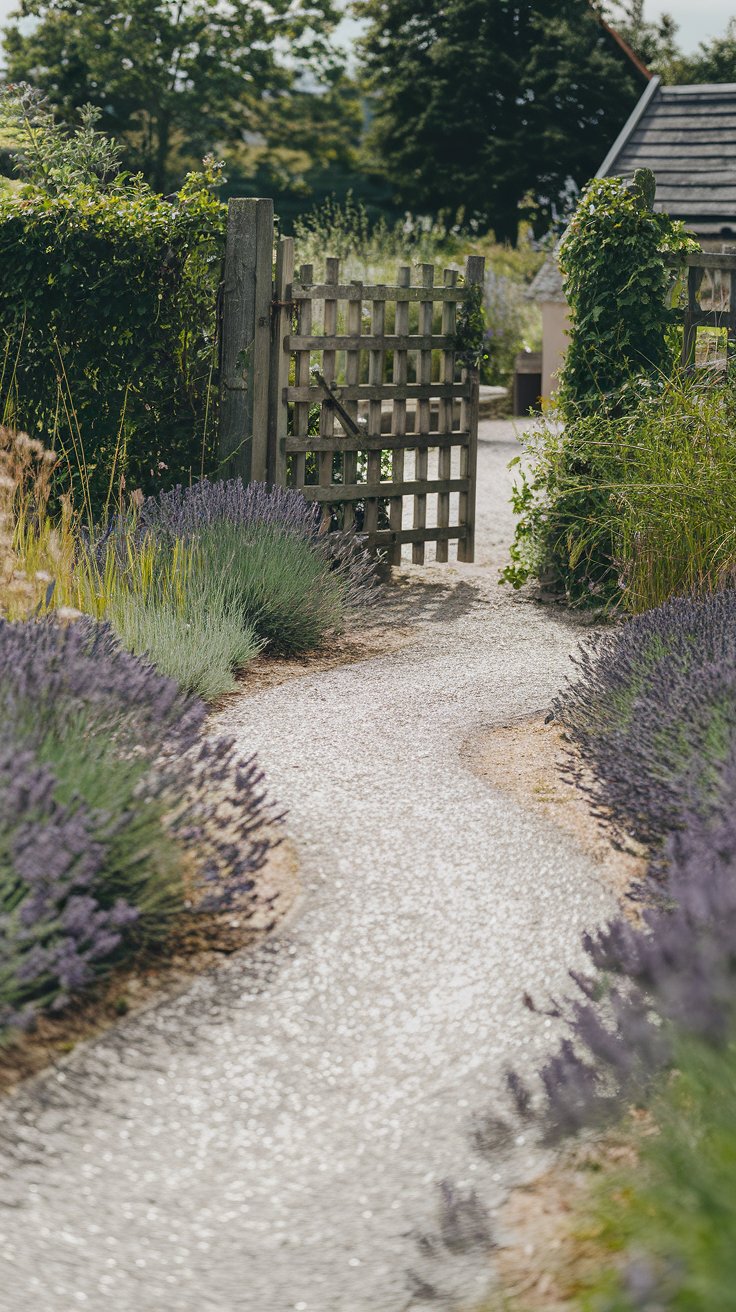
8. Incorporate a Gravel Pathway
A gravel pathway is a simple way to guide visitors through your garden while keeping that relaxed farmhouse charm. It creates a natural flow through your outdoor space and adds texture without feeling fussy or formal. Plus, gravel is low maintenance, drains well, and works beautifully with rustic flowers, herbs, and garden beds.
With a well-placed path, you can draw attention to flower beds, planters, or a cozy seating area, making your garden feel more inviting and purposeful.
How to get the look:
✅ Use gravel, crushed stone, or river rock to lay the path
✅ Line the edges with low-growing plants like lavender, thyme, or other ground covers
✅ Add stepping stones along the path for a traditional, farmhouse-inspired look
✅ Shape the path to curve gently around garden beds for a more natural, meandering feel
Planting tips:
🌸 Plant fragrant herbs or flowers along the edges so every step delights the senses
🌸 Use a mix of textures with ground covers and small perennials to soften the stones
🌸 Place taller plants or shrubs slightly back from the path to frame it without crowding
Extra helpful tips:
✅ Lay landscaping fabric beneath the gravel to prevent weeds from growing
✅ Compact the gravel with a tamper or roller to create a firm, even surface
✅ Refresh the gravel each season to keep the path looking neat and inviting
🛒 Shopping List:
Gravel, crushed stone, or river rock
Landscaping fabric
Low-growing plants like lavender, thyme, or ground cover
Stepping stones (optional)
Tamper or roller for compacting
A gravel pathway is both practical and charming, giving your garden structure and guiding visitors through your homestead oasis. With a little planning, it can become a beautiful feature that feels effortless and welcoming. 🌿
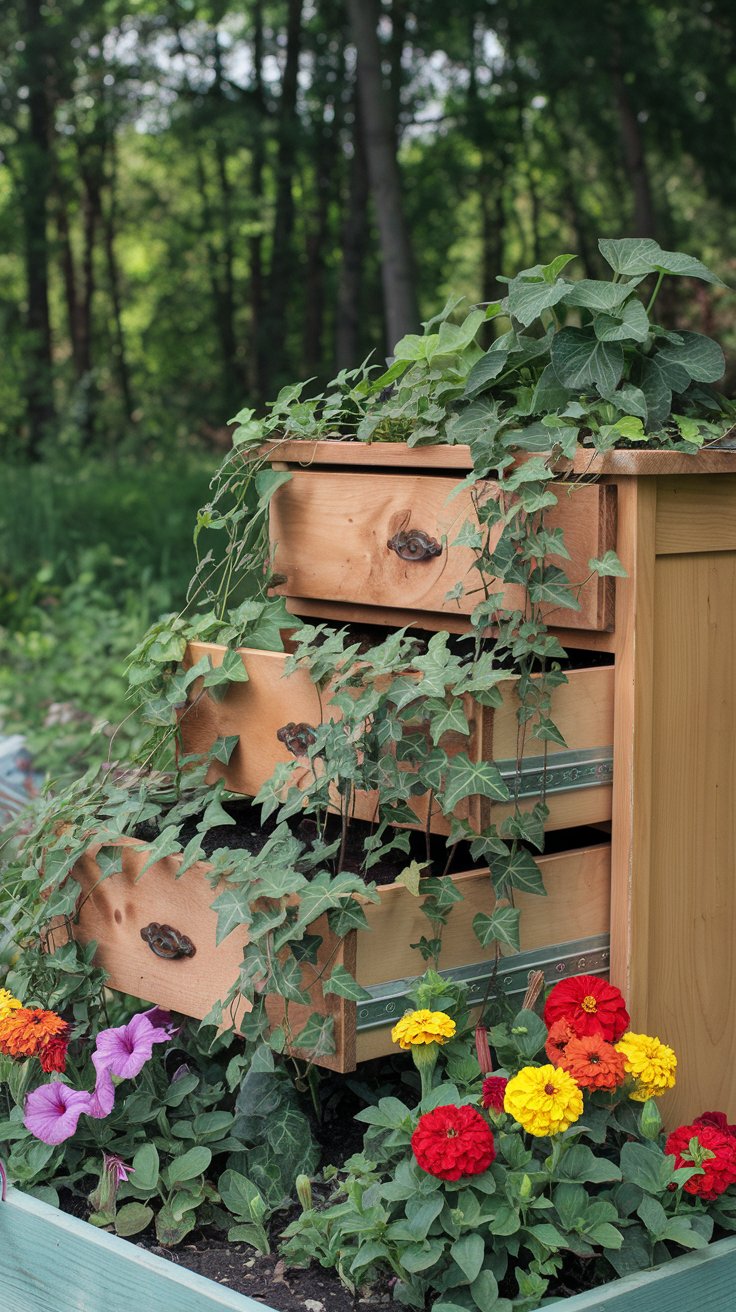
9. Upcycle Old Furniture as Garden Planters
Nothing brings personality and vintage charm to a garden quite like repurposed furniture. Old chairs, dressers, and ladders can all find a second life as quirky planters, turning forgotten pieces into focal points that feel straight out of a rustic homestead. Plus, upcycling furniture is budget-friendly and gives your garden a one-of-a-kind look that store-bought planters just can’t match.
Even a single piece can create a story in your garden. Imagine a weathered chair overflowing with flowers or a dresser brimming with herbs. Each repurposed item adds character, height, and texture, making your outdoor space feel cozy, lived-in, and completely you.
How to get the look:
✅ Turn an old wooden chair into a plant stand by placing pots of flowers on the seat
✅ Repurpose a dresser by removing the drawers and filling them with soil for a raised garden bed
✅ Use a wooden ladder as a vertical planter by hanging small pots or mason jars from the rungs
✅ Mix and match pieces for a playful, eclectic display that feels naturally rustic
Planting tips:
🌸 Choose a mix of flowers, herbs, and trailing plants to add layers and movement
🌸 Place larger, sturdier pieces at the back of a garden bed and smaller items toward the front
🌸 Use colorful blooms to highlight unusual furniture shapes and make each piece stand out
Extra helpful tips:
✅ Sand rough edges if needed, but keep some wear and tear for authentic farmhouse charm
✅ Make sure heavier pieces are stable and won’t tip over when filled with soil and plants
✅ Combine upcycled furniture with other rustic elements like wooden planters or a vintage wheelbarrow for a cohesive look
🛒 Shopping List:
Old wooden chairs, dressers, or ladders
Soil or potting mix
Flower and herb plants
Mason jars or small pots for vertical displays
Sandpaper (optional, for smoothing rough edges)
Upcycling furniture is a creative and fun way to add height, color, and personality to your garden. With a little imagination, you can turn pieces that might otherwise be tossed into charming, functional features that bring your farmhouse garden to life. 🌿
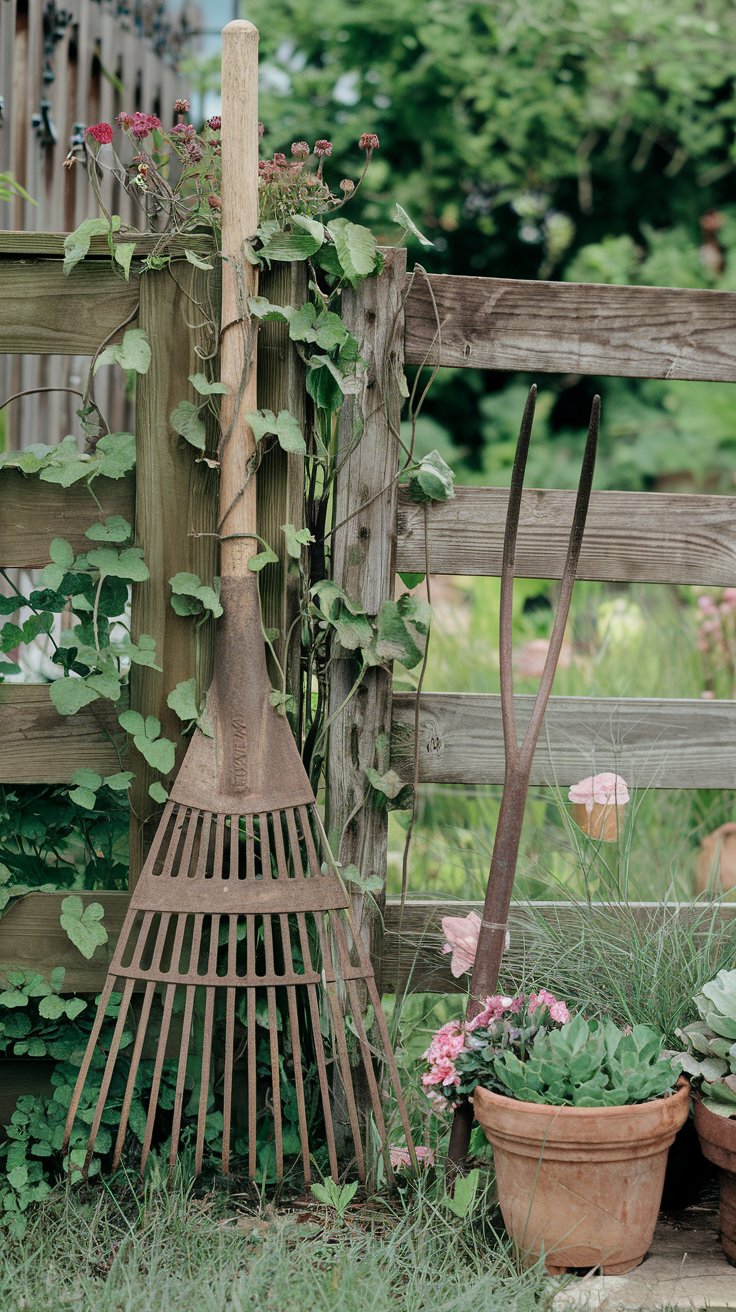
10. Add an Antique Farm Tool as a Decorative Element
Old farm tools like rakes, hoes, and pitchforks can bring a sense of history and character to your rustic garden. These pieces tell a story of hardworking homesteads and add charm that no store-bought decor can match. Whether you hang them on walls, lean them against fences, or tuck them among plants, they instantly make your outdoor space feel cozy, lived-in, and full of personality.
Using antique tools as decor is an easy way to celebrate the past while enhancing your garden’s farmhouse vibe. Even a single old pitchfork or weathered hoe can become a conversation starter and a focal point in a flower bed.
How to get the look:
✅ Display antique tools on garden walls or lean them against fences for an authentic farmhouse touch
✅ Repurpose old tools as plant hangers or trellises for climbing flowers and vines
✅ Mix tools with greenery to create a charming, vintage garden vignette
✅ Combine multiple tools of different shapes and sizes for added visual interest
Planting tips:
🌸 Use climbing plants or trailing flowers around upright tools to soften edges and add natural beauty
🌸 Place plants with contrasting colors nearby to make the tools pop
🌸 Consider seasonal flowers around the base for a dynamic display that changes through the year
Extra helpful tips:
✅ Make sure tools are stable and won’t tip over when leaning against walls or fences
✅ Keep a bit of rust or patina for authentic character—it adds to the vintage charm
✅ Pair with other rustic accents like weathered wood planters, ladders, or antique watering cans for a cohesive look
🛒 Shopping List:
Antique farm tools such as rakes, hoes, or pitchforks
Climbing plants or trailing flowers
Garden hooks or brackets for hanging tools
Seasonal flowers for surrounding displays
Decorative accents like old planters or crates (optional)
Antique farm tools are a simple and creative way to add vintage character to your garden. With a little imagination, you can turn them into functional or decorative features that celebrate your homestead style while enhancing the charm of your outdoor space. 🌿
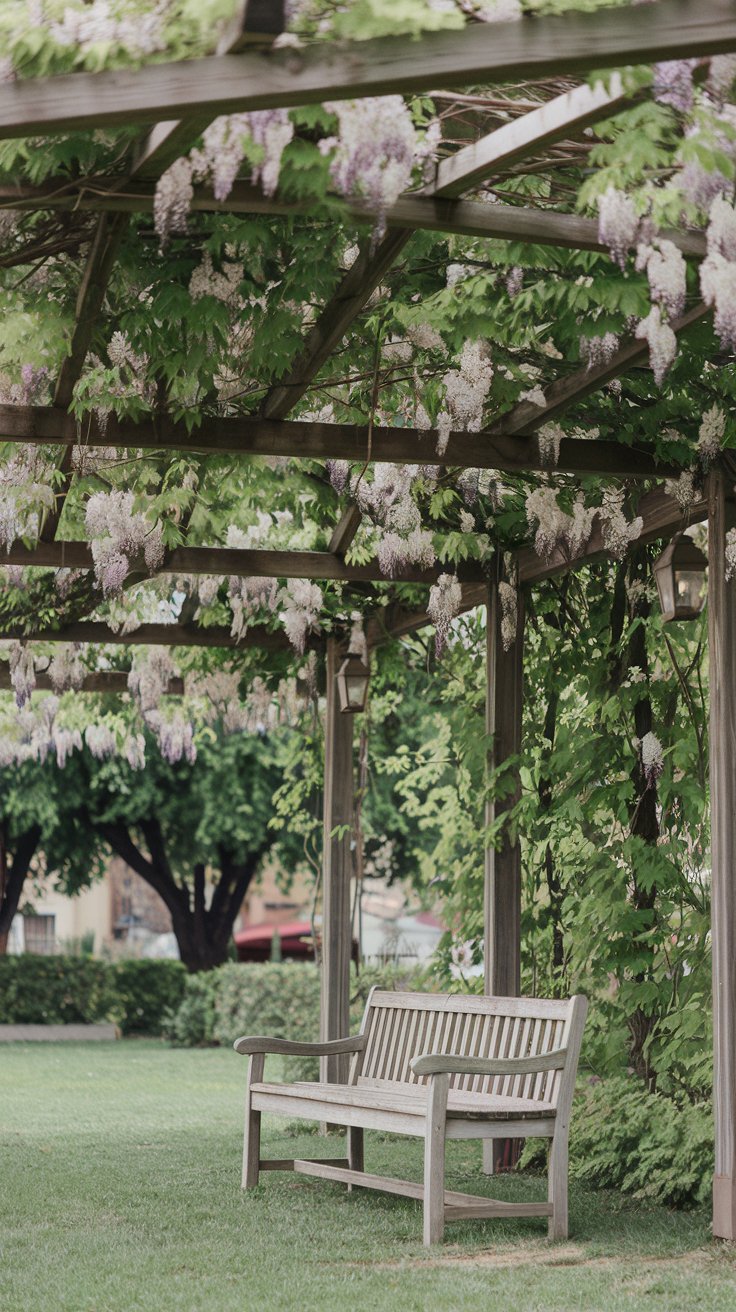
11. Build a Wooden Pergola or Arbor
A wooden pergola or arbor is one of the most inviting features you can add to a farmhouse garden. It creates a cozy spot for lounging, dining, or simply enjoying your outdoor space. Plus, it’s perfect for supporting climbing plants, giving your garden a dreamy, vine-covered look straight out of a country homestead.
Even a small arbor can make a big impact. It frames pathways, provides a natural focal point, and adds height and texture to your garden beds. With a few thoughtful touches, it becomes both practical and beautiful.
How to get the look:
✅ Use reclaimed wood or cedar for a naturally aged, rustic finish
✅ Build the structure over a pathway, seating area, or garden bed for added charm
✅ Add string lights, lanterns, or hanging planters to make it feel cozy in the evenings
✅ Consider arched tops or lattice sides to enhance the classic farmhouse style
Planting tips:
🌸 Train climbing roses, wisteria, clematis, or morning glory up the sides to create a lush, flowing canopy
🌸 Mix flowering vines with aromatic herbs like jasmine or honeysuckle for a fragrant retreat
🌸 Add potted plants around the base to soften the structure and create layers of color
Extra helpful tips:
✅ Make sure the structure is sturdy and anchored securely, especially if you have heavy climbing plants
✅ Treat the wood with a weather-resistant finish if it is not naturally rot-resistant
✅ Combine with rustic furniture, planters, or garden benches to create a full homestead escape
🛒 Shopping List:
Reclaimed wood or cedar boards
Nails, screws, or brackets for assembly
String lights or lanterns for ambiance
Climbing plants or flowering vines
Potted plants for base decoration (optional)
A wooden pergola or arbor is more than just a structure. It is a magical centerpiece that adds height, charm, and coziness to your garden. With climbing plants and warm lighting, it becomes a little retreat that feels straight out of a farmhouse dream. 🌸
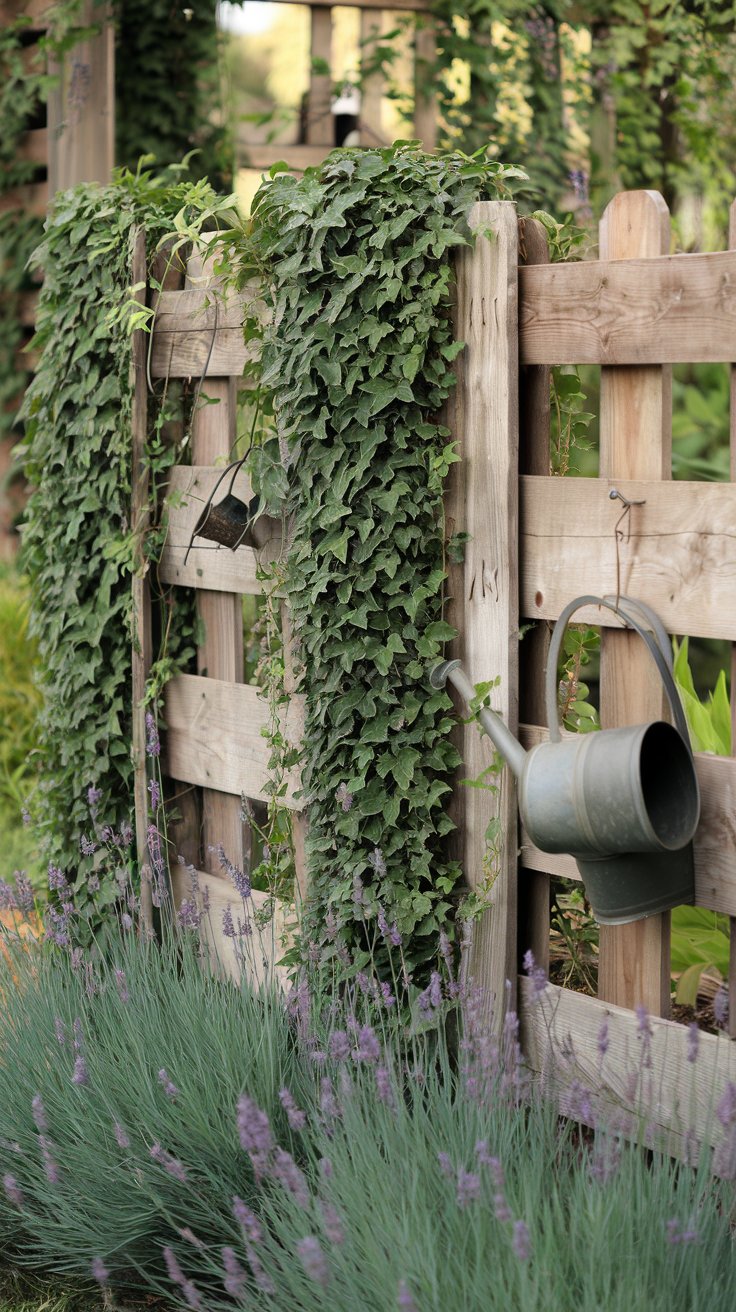
12. Create a Rustic Fence with Pallets
Repurposing old wooden pallets into a garden fence is a simple and charming way to add rustic farmhouse style to your outdoor space. This DIY project is eco-friendly, budget-friendly, and gives your garden a unique, lived-in look. A pallet fence frames your garden, defines pathways, and adds structure without feeling stiff or formal.
Even a small fence made from pallets can make a big difference. With some creativity, you can transform ordinary wood into a cozy, welcoming border that complements your flowers, herbs, and planters.
How to get the look:
✅ Stack and nail together wooden pallets to create a sturdy fence
✅ Add a weathered paint finish for an aged look or let the wood naturally weather over time
✅ Line the bottom with creeping plants like ivy or low-growing flowers to soften the edges
✅ Consider leaving gaps between pallets for a more open, airy feel
Planting tips:
🌸 Plant trailing flowers or vines along the base and let them climb slowly
🌸 Mix textures by pairing rustic wood with soft foliage and colorful blooms
🌸 Add seasonal flowers to brighten the fence throughout the year
Extra helpful tips:
✅ Make sure the pallets are stable and anchored securely to prevent tipping
✅ Sand rough edges lightly, but keep the natural wear for authentic farmhouse charm
✅ Combine with other rustic elements such as wooden planters, ladders, or antique tools for a cohesive look
🛒 Shopping List:
Wooden pallets
Nails or screws for assembly
Weathered paint or wood stain (optional)
Creeping plants or low-growing flowers
Hammer, screwdriver, or drill
A pallet fence is a creative, budget-friendly way to add structure and charm to your garden. With a little effort, you can turn simple wood into a rustic feature that feels like it has belonged in your homestead for years. 🌿
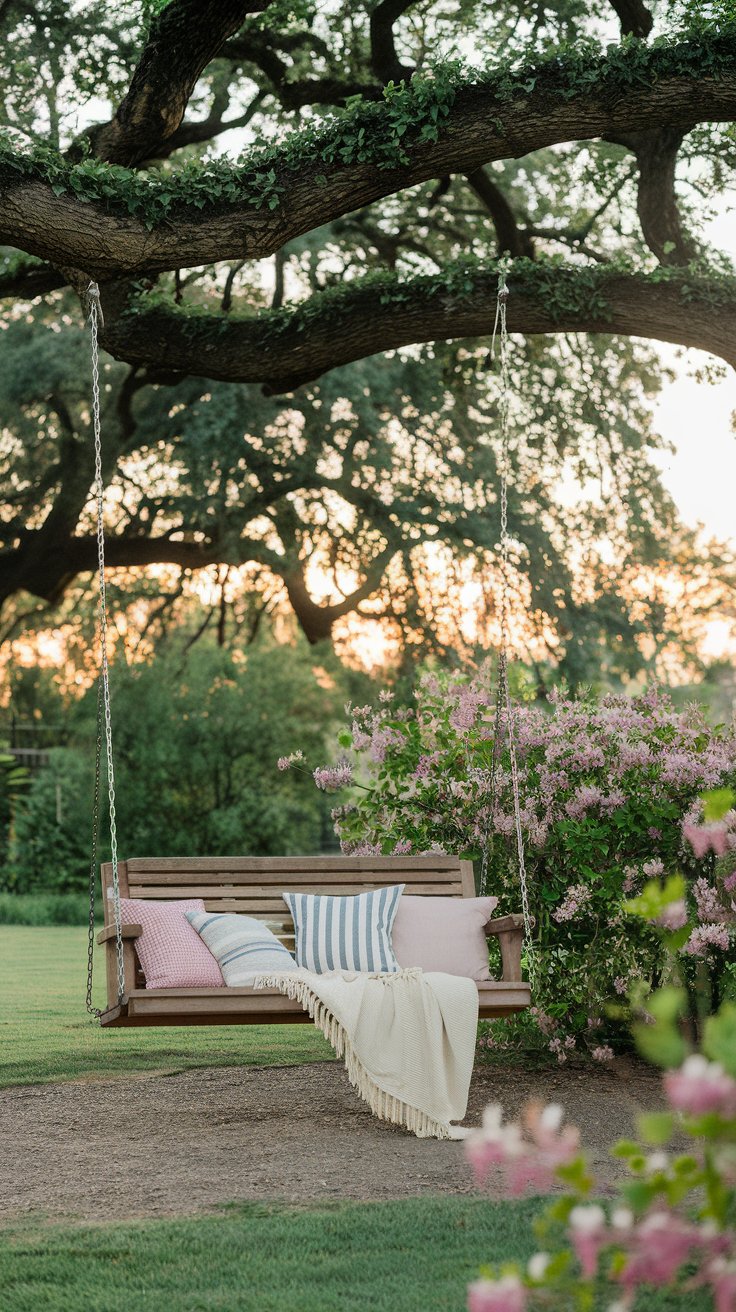
13. Install a Wooden Swing
A wooden swing brings instant charm and a cozy vintage feel to your farmhouse garden. It is the perfect spot to sit, relax, and soak in the beauty around you. A swing makes your outdoor space feel inviting and lived-in, giving you a little corner of calm where you can enjoy your homestead at a slower pace.
Even a simple swing can become a focal point in your garden. Pair it with flowers, soft cushions, and fragrant plants to create a peaceful retreat that you and your family will love.
How to get the look:
✅ Choose a sturdy wooden swing with comfortable cushions or pillows
✅ Hang it from a strong tree branch or install it securely with ropes or chains
✅ Surround the swing with fragrant flowers like jasmine or honeysuckle to enhance relaxation
✅ Place near a pathway or garden bed to make it a welcoming feature
Planting tips:
🌸 Use climbing vines or flowering plants around the swing for added privacy and charm
🌸 Mix colors and textures with potted plants or ground flowers nearby
🌸 Consider seasonal blooms to keep the area vibrant throughout the year
Extra helpful tips:
✅ Check that the swing is level and safely secured before use
✅ Use weather-resistant cushions or fabrics for durability
✅ Add a small side table or basket for books and refreshments to make the space even more inviting
🛒 Shopping List:
Sturdy wooden swing
Strong ropes or chains for hanging
Cushions or pillows for comfort
Fragrant climbing plants like jasmine or honeysuckle
Potted plants or flowers for surrounding decoration
A wooden swing is a simple way to add comfort, charm, and a sense of retreat to your farmhouse garden. With a few thoughtful touches, it becomes a favorite spot for relaxing, reading, or just enjoying your homestead outdoors. 🌿
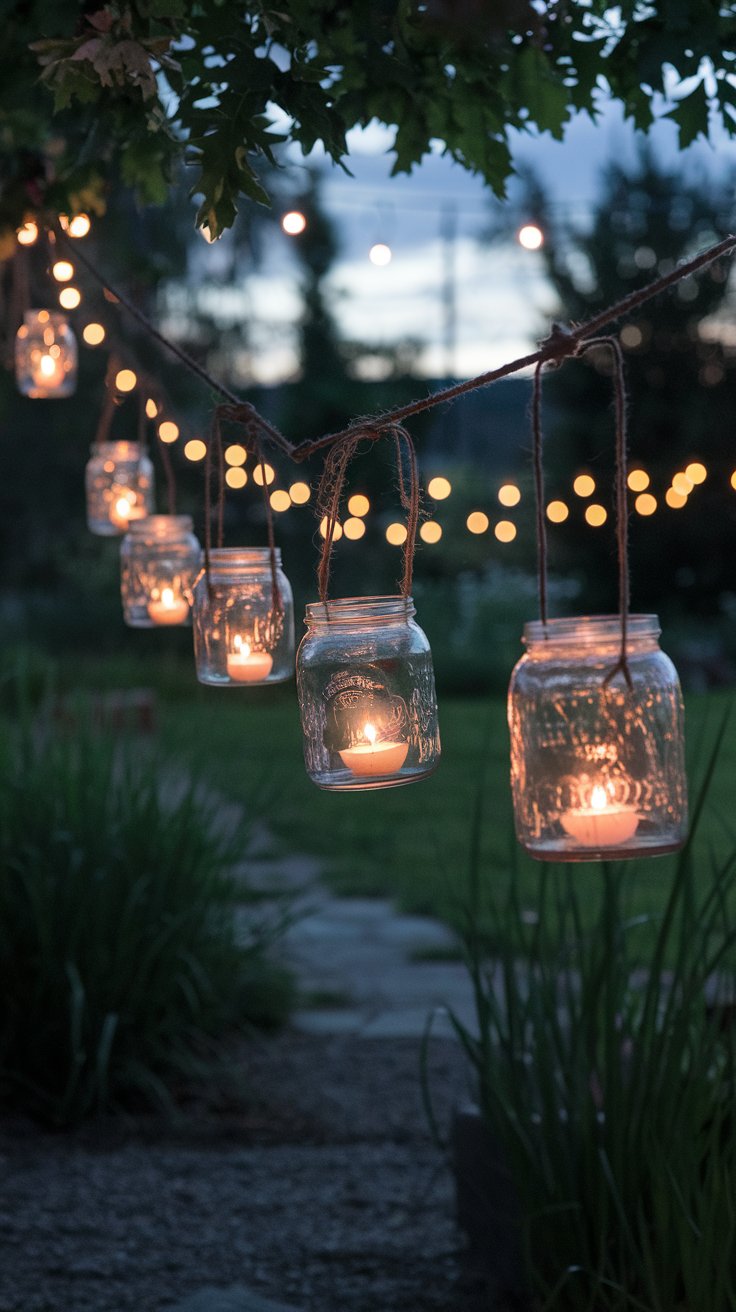
14. Use Vintage Glass Jars for Lanterns
Vintage glass jars are a simple and charming way to add warm, glowing light to your farmhouse garden. Whether you hang them from trees, place them along pathways, or cluster them on tables, these DIY lanterns create a magical, rustic ambiance that makes your outdoor space feel cozy and inviting.
Repurposing jars is also budget-friendly and adds a personal, handcrafted touch to your garden. Even a few jars can transform your space into a twinkling homestead retreat as the sun sets.
How to get the look:
✅ Fill jars with candles or battery-operated fairy lights for a soft, warm glow
✅ Hang jars with twine from tree branches or pergolas, or place them in clusters on tables or shelves
✅ Mix jars of different sizes for an eclectic, rustic display
✅ Place jars along pathways or garden beds to guide guests with gentle light
Styling tips:
🌸 Add small pebbles or sand at the bottom of jars to keep candles stable
🌸 Use seasonal decorations inside jars, like pinecones in the fall or flowers in the summer
🌸 Combine jars with other rustic elements like wooden crates, lanterns, or vintage tools for a cohesive look
Extra helpful tips:
✅ Make sure hanging jars are secure to prevent tipping or falling
✅ Choose flameless candles for safety, especially if children or pets are around
✅ Refresh fairy lights and candles as needed to maintain a glowing effect
🛒 Shopping List:
Vintage glass jars in various sizes
Candles or battery-operated fairy lights
Twine or wire for hanging
Pebbles, sand, or small decorations for inside jars
Wooden crates or shelves for display (optional)
Vintage glass jar lanterns are a simple way to add charm, warmth, and a magical glow to your garden. With a few thoughtful touches, your outdoor space can feel cozy and inviting well into the evening. 🌿
15. Build a Rustic Fire Pit
A rustic fire pit is a cozy centerpiece for your farmhouse garden. It brings family and friends together and gives you a warm spot to enjoy the outdoors, even on chilly nights. A fire pit adds charm, creates a welcoming atmosphere, and makes your garden feel like a true homestead retreat.
Even a simple circular pit can transform a corner of your yard into a gathering place. Pair it with natural seating and soft lighting for a relaxed, rustic vibe that invites conversation, storytelling, or quiet evenings under the stars.
How to get the look:
✅ Use stone, brick, or stacked fire rings to create a sturdy base for your fire pit
✅ Arrange rustic seating around the fire pit, such as wooden logs, hay bales, or weathered benches
✅ Add string lights or a few vintage lanterns nearby for a warm glow in the evenings
✅ Place the fire pit in a safe, open area away from low-hanging branches or structures
Styling tips:
🌸 Surround the fire pit with potted plants or low-growing flowers to blend it naturally into your garden
🌸 Use a mix of textures, like rough wood and smooth stones, for a rustic, inviting look
🌸 Keep blankets or outdoor cushions nearby for extra comfort and coziness
Extra helpful tips:
✅ Make sure your fire pit has proper drainage and is built on level ground
✅ Keep a fire extinguisher or water source nearby for safety
✅ Refresh gravel or sand around the pit to maintain a clean and stable area
🛒 Shopping List:
Stone, brick, or metal fire ring
Wooden logs, hay bales, or rustic benches for seating
String lights or lanterns for ambiance
Potted plants or flowers for surrounding decoration
Blankets or outdoor cushions (optional)
A rustic fire pit is more than just a place to build a fire. It creates a cozy gathering spot, adds charm to your garden, and makes your farmhouse's outdoor space feel complete. With a little planning, it becomes a favorite spot for relaxation, storytelling, and making memories. 🌿

Bring Your Farmhouse Garden Dreams to Life 🌿
These rustic garden ideas are a beautiful way to add warmth, charm, and personality to your outdoor space. From vintage garden inspiration to hands-on DIY country projects, each idea helps you create a garden that feels timeless, welcoming, and uniquely yours.
Whether you’re repurposing old materials, adding cozy nooks with vintage accents, or filling your garden with lush greenery, there are endless ways to make your space feel like a true homestead retreat. Every plant, planter, and piece of decor adds character and tells a story about your farmhouse style.
Now it’s your turn. Take a moment to dream about your garden, gather your materials, and start creating. With a little effort and a lot of heart, your rustic garden will become a place full of charm, comfort, and magic. 🌸
Happy gardening, and may your farmhouse garden bloom with personality and joy!
